

South of Broad is one of Charleston’s most recognizable historic districts, where streets reveal layers of architectural detail, gardens, harbor edges, and landmark views. Exploring the area with a close eye helps home buyers appreciate not only a property’s design, but also the maintenance, preservation, and location considerations that shape ownership here.
A Walk Through Charleston’s Architectural Record
South of Broad occupies the southern tip of the Charleston peninsula, below Broad Street and between the Ashley and Cooper rivers. Its streets form a remarkable open-air study of Charleston architecture: masonry residences, piazzas designed to capture coastal breezes, decorative ironwork, shuttered windows, and gardens tucked behind gates. The district’s appeal is not built around one single style. Instead, it comes from the way centuries of design choices sit side by side, creating a streetscape that feels carefully layered rather than uniform.
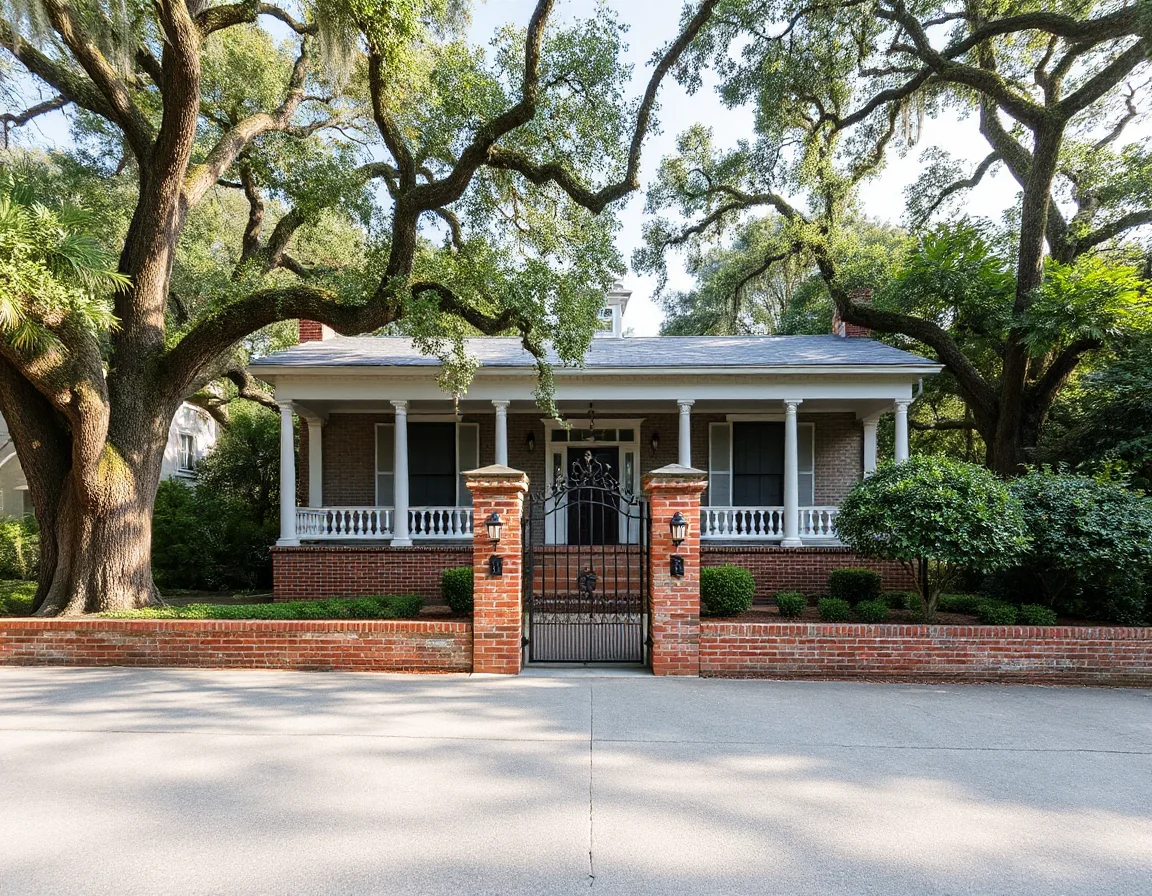
The celebrated Charleston single house is especially easy to spot here. Although its narrow side faces the street, the building often extends deep into the lot, with a piazza running along one side. That arrangement reflects both Charleston’s historic lot patterns and the region’s warm, humid climate. A piazza can function as an outdoor room, connecting interior spaces with shade, airflow, and views toward a garden or neighboring rooflines.
Other homes lean toward Georgian symmetry, Federal restraint, Greek Revival columns, Italianate ornament, or later Victorian flourishes. Looking up is part of the experience: fanlights, transoms, cornices, rooflines, and chimneys often reveal details that are easy to miss at street level. In a district like this, an exterior is more than curb appeal. It can offer clues about a home’s age, construction methods, past renovations, and relationship to the surrounding historic fabric.
In South of Broad, two homes with similar square footage can live very differently depending on lot depth, piazza orientation, elevation, garden space, and the condition of historic materials.
For prospective owners, that variety makes careful due diligence essential. Historic homes may have richly detailed millwork, original heart-pine floors, masonry fireplaces, and distinctive windows, but they can also require specialized maintenance and thoughtful planning for repairs. It is useful to review property disclosures, permits when available, flood-zone information, insurance options, and any applicable preservation requirements before making decisions based solely on a home’s visual character.
Waterfront Edges, Public Views, and Landmark Perspectives
South of Broad is closely associated with Charleston Harbor and the waterfront setting that frames the peninsula. The area’s eastern edge offers access to memorable public views across the water, where passing boats, changing skies, and the distant outline of Fort Sumter create a distinctly Lowcountry backdrop. The waterfront is part of everyday Charleston geography, but it also plays an important role in how properties are evaluated: elevation, drainage, exposure, insurance, and resilience planning are practical considerations alongside scenery.
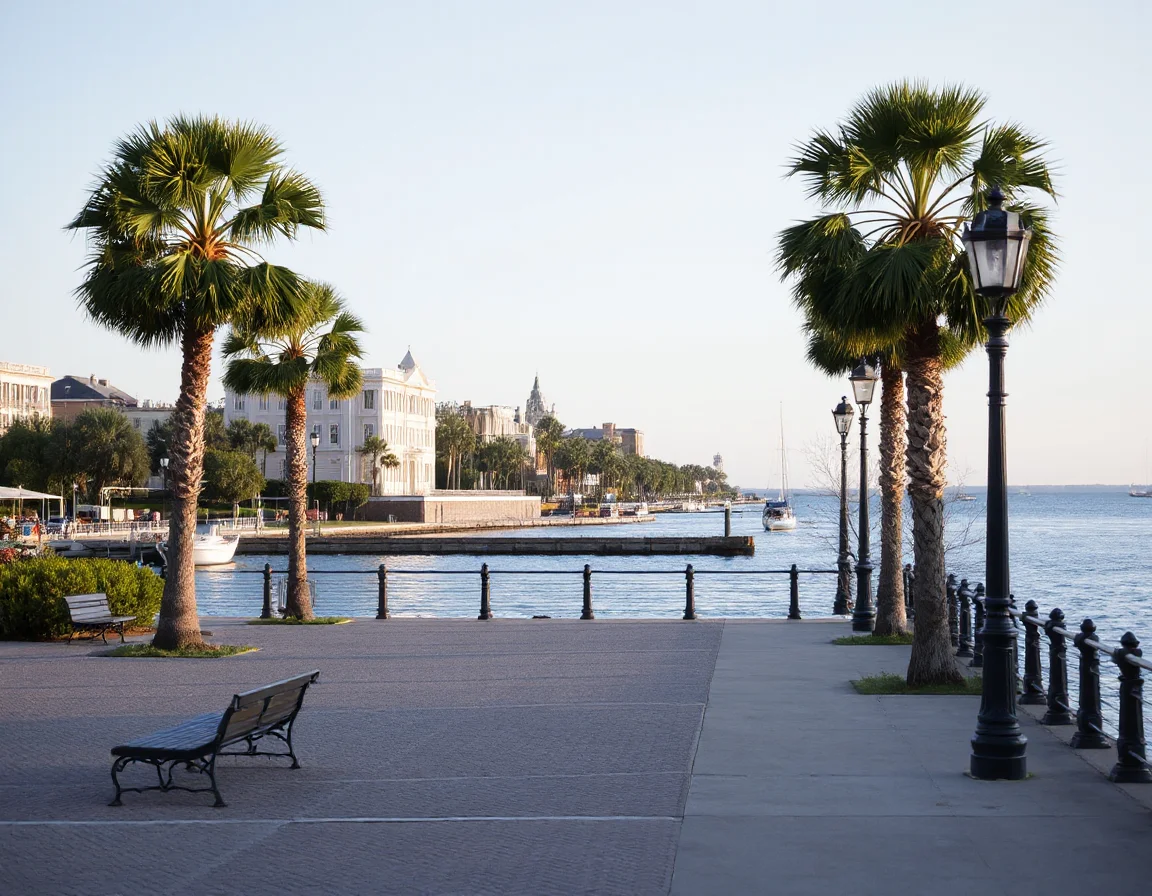
White Point Garden, located at the tip of the peninsula, is a familiar gathering place for walkers and visitors seeking shade beneath mature oaks and open harbor views. Its historic setting includes Civil War-era fortifications and monuments, while the surrounding streets hold some of the city’s most notable residential architecture. The contrast between formal facades, leafy public space, and open water is central to the visual identity of this part of Charleston.
Nearby, the Battery presents a sequence of waterfront homes facing the harbor. These properties are frequently photographed, yet their appeal is best understood in person and at different times of day. Morning light, afternoon storms, tidal changes, and seasonal foliage can all change the atmosphere. When evaluating a waterfront-adjacent property, buyers may want to consider how the site functions beyond the view: available outdoor space, sun exposure, wind, parking arrangements, access routes, and ongoing upkeep.
The district also provides convenient access to many of Charleston’s central landmarks. Rainbow Row, the waterfront park system, historic churches, galleries, museums, and the French Quarter are all part of the broader peninsula experience. This location supports an itinerary filled with architecture, public green space, cultural institutions, and dining destinations, without reducing the neighborhood to a checklist of attractions.
Harbor views are only one piece of the ownership picture. Reviewing elevation certificates, insurance estimates, drainage features, and maintenance history early can make comparisons between historic properties far more meaningful.
What to Notice When Touring Historic Properties
Touring South of Broad homes rewards a slower pace. Start outside by observing the roofline, foundation, porch or piazza condition, shutters, masonry joints, window profiles, and drainage around the structure. Inside, note ceiling height, room flow, stair placement, natural light, storage, updated systems, and how newer work blends with original features. Historic properties often have layouts shaped by another era, and those characteristics can be either a compelling advantage or an important planning consideration depending on how the home will be used.
- Materials and craftsmanship: Look for the condition of woodwork, plaster, masonry, flooring, and historic windows.
- Modern systems: Ask about electrical, plumbing, HVAC, insulation, roofing, and moisture management updates.
- Outdoor areas: Evaluate courtyards, gardens, porches, gates, and service access as carefully as interior rooms.
- Property records: Review surveys, flood information, insurance considerations, permits, and any relevant preservation review process.
- Location details: Consider parking, street activity, access to public waterfront spaces, and proximity to the amenities you value.
There is no universal formula for selecting a historic Charleston home. Some buyers prioritize original architectural details and a central location; others place more value on recently renovated systems, elevator access, larger outdoor areas, or a particular relationship to the water. The strongest decision usually comes from comparing the full picture: acquisition cost, anticipated maintenance, insurance, location, and the distinctive features that cannot be duplicated elsewhere.
Search South of Broad listings
A District Best Appreciated Over Time
South of Broad is not simply a collection of beautiful facades. It is a living historic environment shaped by weather, tides, preservation, gardening, craftsmanship, and the ongoing stewardship of individual properties. A short walk can move from a quiet residential block to a harbor overlook, from formal masonry architecture to a hidden garden gate, or from a centuries-old building to a carefully integrated modern update.
For anyone considering a home here, the best approach is equal parts curiosity and preparation. Return at different times of day, look beyond listing photographs, ask detailed questions, and make room in the process for expert inspections and local guidance. The result is a deeper understanding of what makes South of Broad enduringly distinctive: not just its landmarks and waterfront views, but the remarkable details waiting behind every doorway, piazza, and garden wall.