
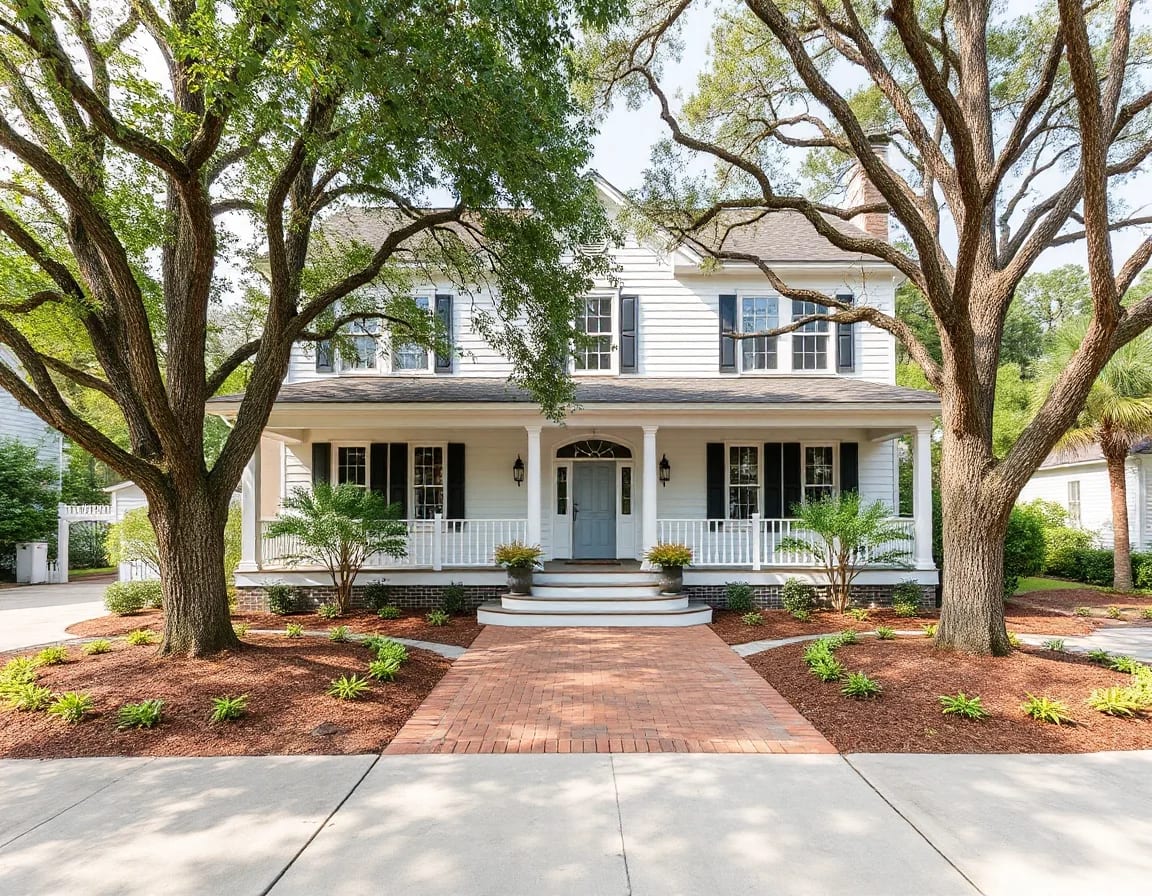
In Daniel Island Park, curb appeal is more than a polished first impression—it is a practical way to protect a home’s coastal exterior and clarify its architectural character. The most effective updates balance timeless Lowcountry materials, thoughtful landscaping, and careful maintenance, helping a property present confidently from the first drive-by through the final showing.
Start With the Details Buyers See First
Exterior upgrades can shape the entire experience of arriving at a Daniel Island Park home. A freshly maintained approach, a well-defined entry, and landscaping that complements the architecture can make even a modest project feel meaningful. Rather than treating curb appeal as a single weekend task, think of it as a sequence: repair, clean, refresh, then add the finishing details that make the property feel intentional.
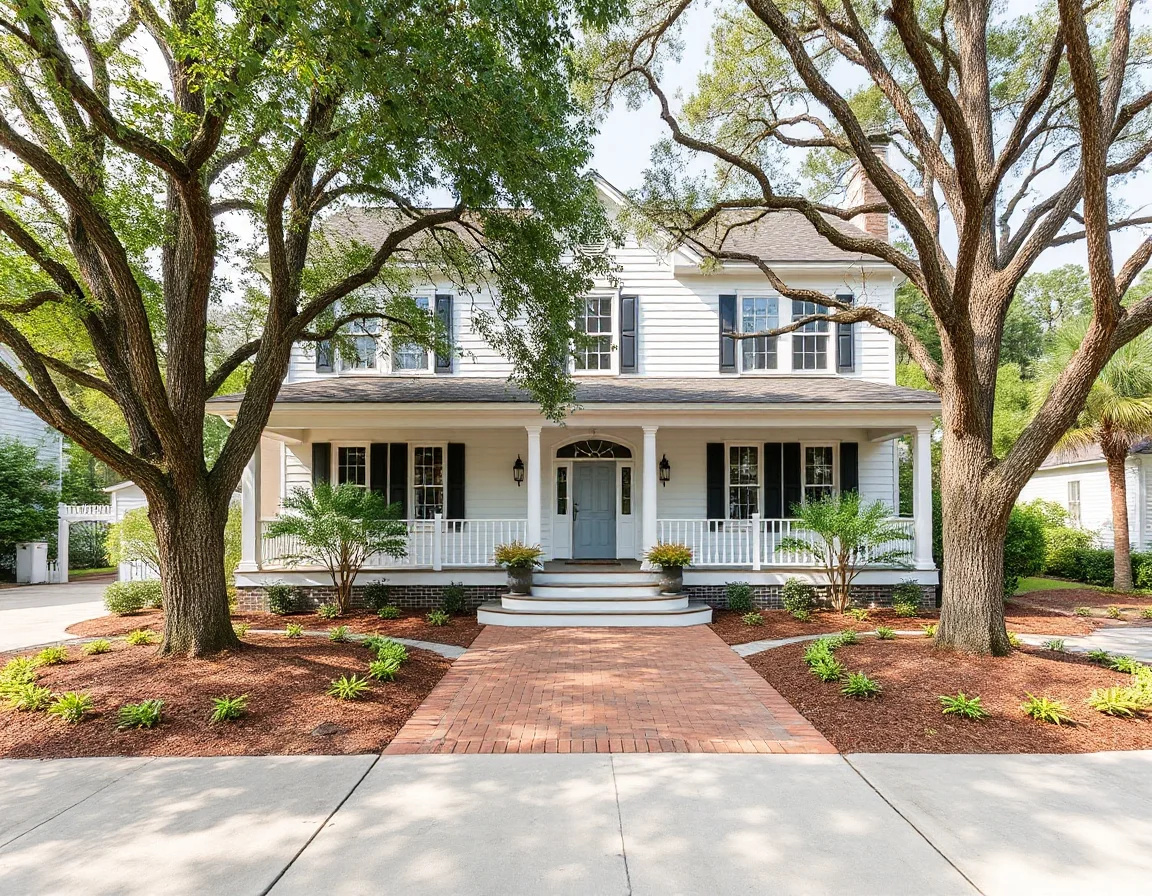
Begin at the street and work toward the front door. Look at the mailbox, house numbers, edging, driveway surface, walkway, porch steps, railings, shutters, trim, and front door as one connected presentation. These features are often seen before a prospective buyer notices interior upgrades, so deferred maintenance can carry more visual weight than expected. Pressure washing appropriate surfaces, touching up trim, clearing gutters, and replacing worn exterior hardware are practical starting points with a visible payoff.
Daniel Island Park’s coastal Lowcountry setting also calls for a maintenance-first mindset. Humidity, rain, sun exposure, salt air, and seasonal pollen can affect paint, metal fixtures, wood elements, and landscaping over time. A clean exterior signals attentive ownership, while peeling paint, stained masonry, faded shutters, or oxidized fixtures may raise questions about larger maintenance items. Before adding decorative layers, address the exterior envelope and make sure repairs use materials suited to local conditions.
A coordinated front-door color, refreshed trim, clean hardscape, and updated lighting often create a stronger visual change than several unrelated decorative purchases.
Color should support the home’s existing architecture rather than chase a short-lived trend. Soft neutrals, crisp white trim, muted greens, blues, and charcoal accents can complement many Lowcountry exterior styles, but the best choice depends on roof color, masonry, porch materials, and surrounding plantings. When repainting is on the list, view samples at different times of day; Charleston-area sunlight can make undertones appear dramatically different from one hour to the next.
Create an Entry That Feels Considered
A front entry is a natural focal point because it combines scale, color, texture, and function in a small area. Updating the door, hardware, lighting, and planters can give an established façade a more current presentation without changing the home’s core design. The goal is not to make the entry look staged for a photograph; it is to make it feel cared for, easy to use, and visually connected to the rest of the property.
For doors in good condition, a professional repaint or refinish may be enough. If replacement is needed, consider proportion, glass placement, durability, and the home’s architectural lines. Door hardware deserves equal attention. A substantial handle set, working lock, clean kick plate, and matching house numbers create a polished impression. Choose finishes that relate to porch lanterns, railings, and other visible metals, even if they do not match perfectly.
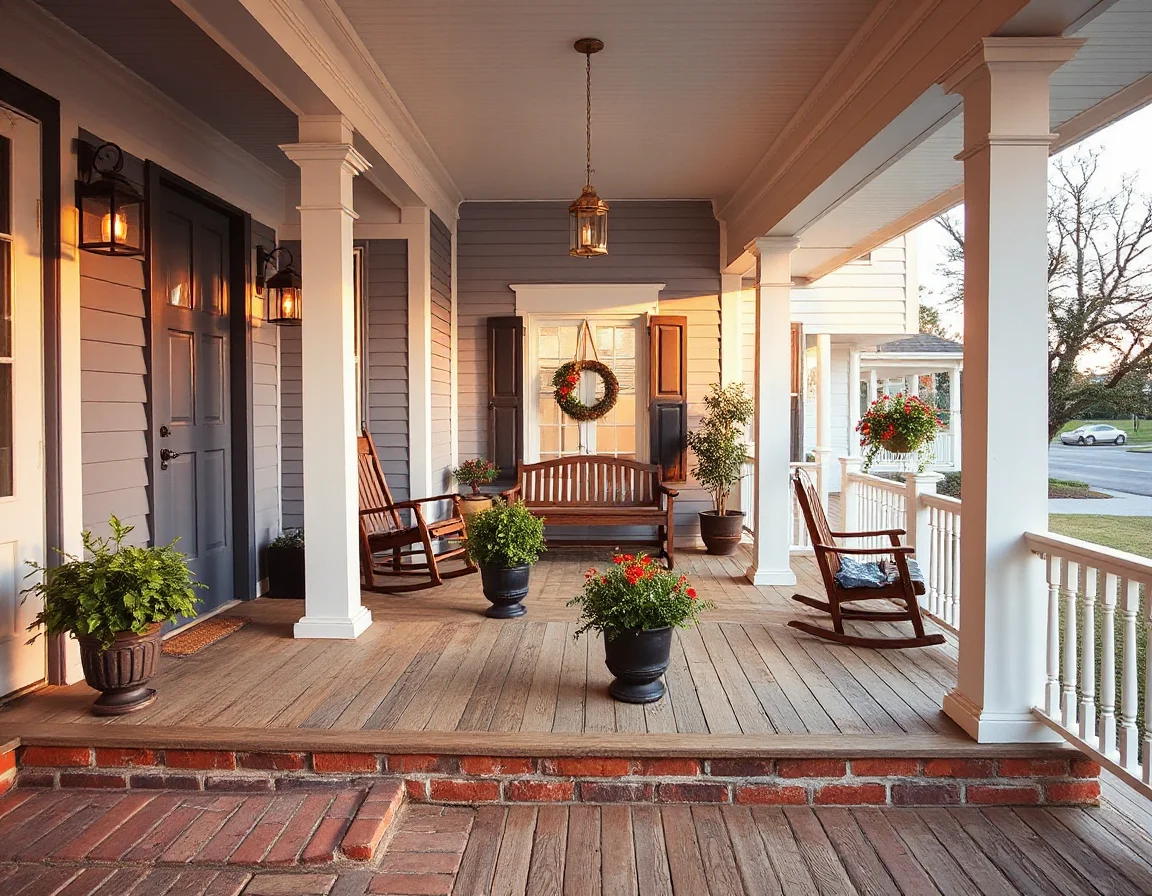
Lighting is one of the most useful upgrades because it works for daytime presentation and evening arrivals. Replace undersized, dated, or corroded fixtures with appropriately scaled lanterns or sconces, then verify that bulbs are consistent in color temperature. Warm, even lighting can highlight columns, brick, and mature landscaping without looking harsh. Keep fixtures clean and free of insect buildup, especially before professional photography or a scheduled showing.
Porches and stoops benefit from restraint. A tidy doormat, healthy containers, seasonal greenery, and furniture that leaves a clear path to the door are generally more effective than an overfilled arrangement. Remove personal signs, worn accessories, and unused items that can make an entry feel smaller. If the porch floor, ceiling, or railings need attention, completing that work before listing photography can make the entire façade appear more finished.
For homes subject to association, architectural review, historic-design, or municipal requirements, confirm applicable approvals before ordering exterior paint, doors, fencing, lighting, or substantial landscape changes. Keeping product information, invoices, permits, warranties, and approval records organized can also make future maintenance and a sale process easier to manage.
Explore Daniel Island Park listings
Use Landscaping to Frame, Not Hide, the Home
Landscaping should guide the eye toward a home’s best exterior features: a porch, masonry chimney, entry, water-facing side, or carefully proportioned windows. Overgrown shrubs can conceal those assets, while bare planting beds may make a well-designed façade feel unfinished. A thoughtful refresh usually starts with pruning, mulch, clean bed edges, and removal of plants that block walkways, windows, exterior lighting, or address numbers.
Choose plantings with the site’s sun, drainage, and maintenance needs in mind. Layered greenery, flowering accents, and containers can add color and depth, but a simple planting plan that remains healthy is more valuable than a complicated arrangement that becomes difficult to maintain. When preparing for sale, focus on consistency: refreshed mulch, trimmed edges, healthy lawn areas where applicable, and irrigation components that are visibly orderly and functional.
Hardscape deserves the same attention as greenery. Brick paths, pavers, driveways, retaining walls, gates, and fences should be inspected for uneven areas, staining, loose elements, and missing mortar. These details influence how visitors move through the property as well as how they perceive its upkeep. If a larger repair is necessary, prioritize safety, drainage, and durability before decorative embellishments.
A well-planned landscape can also make a property easier to understand at a glance. Clear sightlines from the street to the front entrance, a clean transition from driveway to walkway, and carefully framed outdoor areas help buyers recognize the usable exterior spaces available. This is especially valuable when listing photos need to communicate both the home’s setting and its architectural details.
Spend With Resale in Mind
Not every exterior project needs to be extensive to be worthwhile. When preparing a Daniel Island Park home for the market, concentrate first on items that improve condition, coherence, and buyer confidence: exterior cleaning, paint touch-ups, roof and gutter maintenance, landscaping cleanup, entry updates, and visible repairs. Large, highly personal projects may not return value in the same way unless they solve a clear functional issue or align with the home’s overall quality level.
It is also useful to separate projects into three categories: must-do maintenance, high-visibility presentation upgrades, and optional long-term improvements. A leaking gutter or deteriorated railing belongs in the first group. Refreshed lighting or a repainted front door may belong in the second. A major outdoor redesign, pool construction, or full hardscape replacement is generally a more individualized decision that benefits from local market guidance and realistic budgeting.
Documentation matters. Service records for exterior systems, invoices for painting and landscaping, warranty information, and permits for substantial work can help demonstrate a home’s maintenance history. They do not replace inspections, but they can provide useful context for prospective buyers evaluating the property.
Before committing to a major exterior renovation, compare the project against current competing listings and recently sold homes with similar scale, condition, and location.
Professional listing preparation can bring the pieces together. A property-specific review can identify the updates likely to improve photographs, showings, and market positioning while helping avoid spending on changes that are unlikely to matter to buyers. For owners considering a sale, timing exterior work around weather, vendor availability, and listing photography can reduce last-minute pressure.
A Strong Finish Begins Before the Listing Goes Live
The most memorable curb appeal feels natural rather than overproduced. It comes from a home that looks clean, maintained, and architecturally cohesive—from the driveway and landscape beds to the porch lantern and front door. In Daniel Island Park, that approach helps protect the property’s character while making its exterior features easier to appreciate.
Whether the plan is a near-term sale or a longer-term investment in the home, start with the visible fundamentals and build carefully. A few well-executed improvements, supported by regular maintenance and smart material choices, can make the arrival experience more compelling and help the home show its value with confidence.