
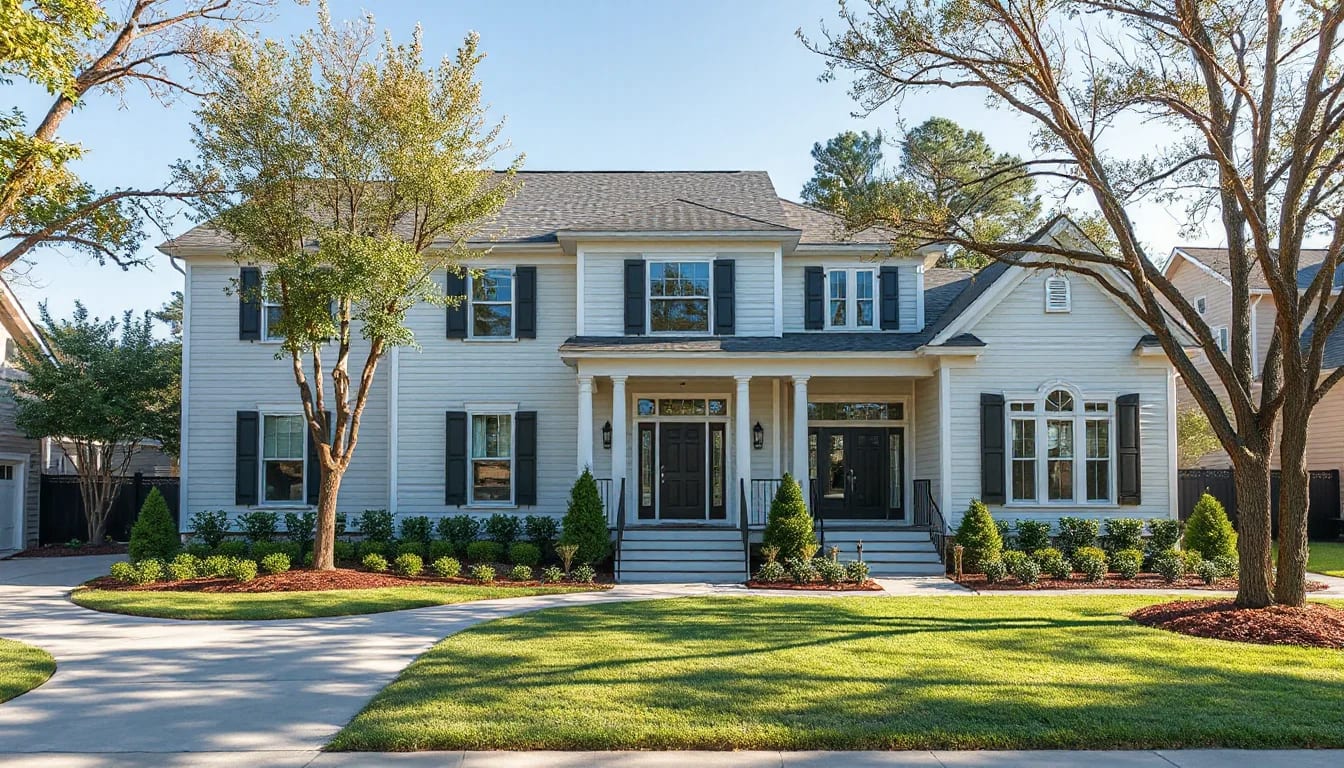
Buying in I'On is not only about curb appeal and location prestige—it is also about understanding the full ownership picture. This guide breaks down the costs that shape return on investment, the features that often support stronger resale demand, and the long-term value factors buyers should weigh before making a move in Mount Pleasant. If you want to think beyond the list price, this is where to start.
Looking at ROI Beyond the Purchase Price
I'On often attracts attention for its architecture, walkability, green spaces, and proximity to the larger Charleston area, but a smart investment analysis goes deeper than first impressions. A buyer evaluating ROI in this market should think in layers: acquisition cost, financing terms, property taxes, insurance, routine upkeep, and the likely resale audience when it is time to move. In a neighborhood where design standards and outdoor presentation matter, ownership costs can be higher than in more cookie-cutter communities, which makes planning especially important.
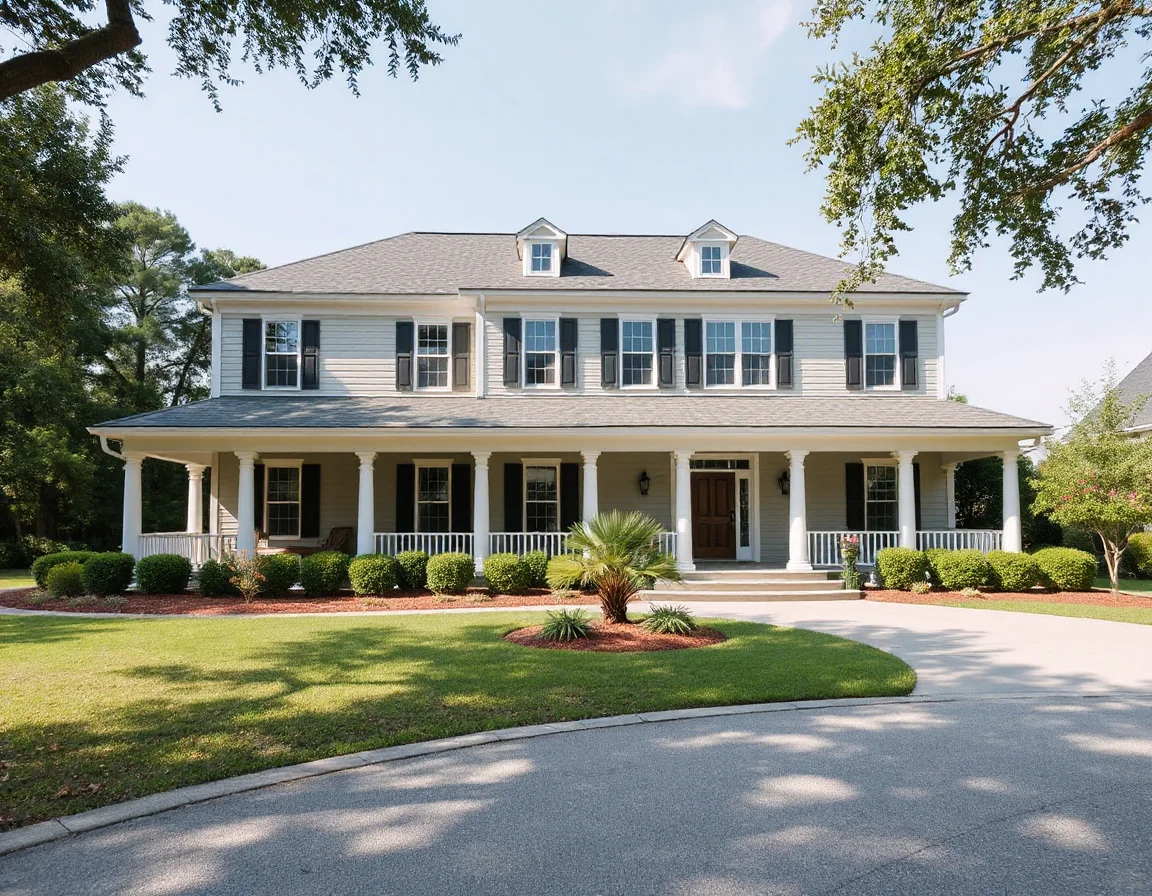
That does not mean value is hard to find. In fact, neighborhoods with a distinctive identity can sometimes hold attention better during uneven market cycles because buyers are comparing a more limited inventory set rather than a sea of near-identical homes. In I'On, factors such as lot placement, porch space, garage configuration, updated kitchens, condition of exterior materials, and access to neighborhood amenities can all influence pricing power later. The more clearly a property checks the boxes that repeat buyers tend to prioritize, the more durable its long-term appeal may be.
Another important point: ROI is not always measured only by short-term appreciation. Some owners place value on lower future renovation needs, access to established amenities, and a resale profile that draws broad buyer interest. A home that remains competitive over time because of quality finishes, functional layout, and strong location within the neighborhood may produce a steadier outcome than a less expensive property that requires major work later.
In higher-price neighborhoods, modest differences in condition can create major differences in resale leverage. A home with deferred maintenance may not only sell for less—it can also stay on the market longer while competing against better-prepared listings.
The Costs That Shape Real Investment Performance
To evaluate ownership realistically, start with the recurring expenses. Property taxes, homeowners insurance, possible flood insurance depending on the specific property and lender requirements, association dues if applicable, landscaping, exterior paint cycles, roofing timelines, HVAC replacement, and porch or trim maintenance all affect net return. In coastal South Carolina, weather exposure matters, so buyers should pay close attention to drainage, window condition, roof age, siding or trim durability, and any prior mitigation work that could reduce future surprises.
Renovation budgets also deserve a careful look. In a neighborhood known for strong design character, updates tend to work best when they feel consistent with the home's architecture rather than overly trendy. Kitchen and bath improvements can support value, but quality and execution matter. Cheap finishes may stand out in a market where buyers often notice craftsmanship. The same is true for outdoor spaces: screened porches, courtyards, and well-designed hardscaping can support day-to-day enjoyment and add resale strength, but they should be viewed as targeted investments, not automatic profit generators.
Financing costs can quietly reshape the whole picture. A buyer who secures a favorable rate, keeps reserves for maintenance, and avoids over-improving relative to nearby comparable sales may come out ahead of someone who focuses only on winning the property. ROI is often protected by discipline on the front end. Reviewing recent comparable sales, days on market, seller concessions, and price-per-square-foot ranges within I'On can help define what a reasonable entry point looks like.
Why Certain Homes Tend to Resell More Smoothly
When it comes to resale, layout and livability often matter as much as headline size. In I'On, buyers frequently compare properties based on how daily life would function in the home: first-floor primary suite or not, dedicated office space, storage, guest flexibility, off-street parking, and the relationship between indoor and outdoor living areas. A beautiful facade can draw attention, but a practical floor plan usually helps sustain it.
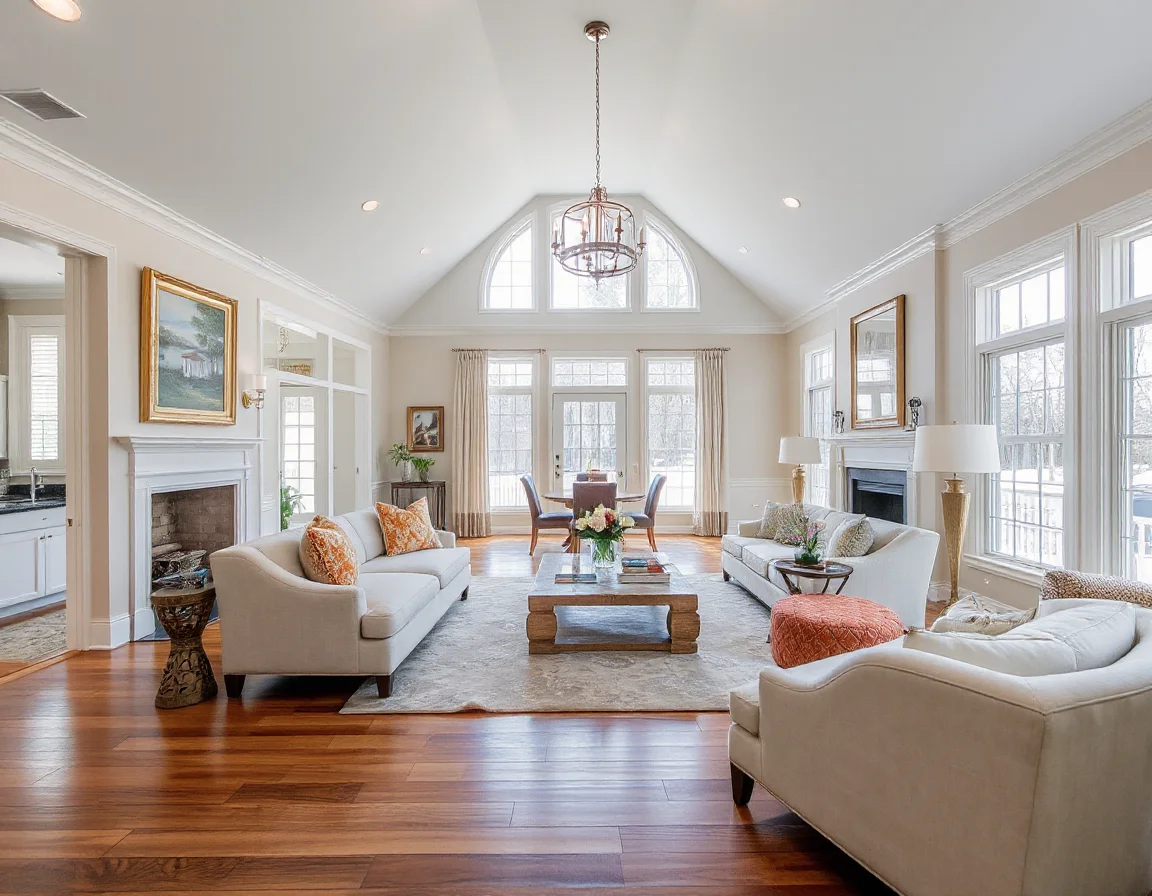
Updated interiors also tend to help, especially when the work has already been completed with permits where required and with materials that fit the home. Buyers often pay a premium for move-in-ready condition because it reduces uncertainty. Fresh paint, strong lighting, maintained flooring, and cohesive kitchens and baths can improve both showing traffic and negotiation position. Even smaller updates—hardware, landscaping refreshes, or improved storage—can sharpen perceived value.
Location within the neighborhood can be another major variable. Homes closer to parks, community gathering spaces, or routes that make movement through Mount Pleasant easier may draw additional interest. Corner lots, water views, detached guest spaces, or garages with flexible use can also change the pricing conversation. On the flip side, backing to busier corridors, having limited outdoor privacy, or needing extensive deferred maintenance can narrow the buyer pool.
There is also a psychological side to resale. Distinctive neighborhoods often attract buyers who have been waiting specifically for a certain style or block to become available. That kind of targeted demand can benefit well-positioned listings, but only if the home enters the market in strong condition and at a price aligned with current data rather than outdated peak expectations.
The strongest resale candidates often balance charm with convenience: architectural character, updated systems, useful storage, and outdoor living space usually carry more weight than novelty features that are expensive to maintain.
Long-Term Value in a Mature, Design-Forward Neighborhood
Long-term value in I'On is closely tied to scarcity and consistency. Communities with established architectural identity, connected streets, and recognizable public spaces often maintain a stronger sense of place than newer developments still filling in over time. That does not guarantee appreciation, of course, but it can support durable demand because buyers know what makes the neighborhood different. In practical terms, a consistent streetscape and mature landscaping can make the area feel stable, which matters when future purchasers are comparing options across Mount Pleasant.
That said, long-term value is never just about the neighborhood brand. The individual home still has to compete. Systems age, preferences shift, and maintenance standards matter. Owners who keep up with roofs, porches, mechanicals, paint, moisture control, and thoughtful interior updates are typically better positioned than owners who assume a strong address alone will carry the day. The best returns often come from steady stewardship rather than one dramatic renovation.
Market timing also plays a role. If rates change, inventory rises, or buyer leverage increases, even desirable neighborhoods can see more negotiation. That is why holding period matters. Buyers planning to own for a longer horizon may be better able to absorb short-term volatility while benefiting from gradual neighborhood stability, property improvements, and broader area growth over time.
Explore Mount Pleasant real estate
How to Approach an I'On Purchase Strategically
A strong buying strategy starts with honest priorities. Decide which features are expensive to add later and which are easier to change. Lot orientation, garage access, porch placement, ceiling height, and overall layout are usually harder to fix than paint colors or light fixtures. Then compare those fixed traits against recent sales and expected ownership costs. A home that looks slightly less polished on day one may offer better long-term value if it has the right bones and only needs cosmetic work.

It also helps to think ahead to your likely resale audience. If a property has broad appeal because of bedroom distribution, office flexibility, updated systems, and comfortable outdoor living, that can support future marketability. By contrast, a highly customized home may be a wonderful fit for one owner while limiting interest later. The goal is not to avoid personality; it is to understand how specific design choices affect liquidity when market conditions tighten.
Ultimately, I'On can offer compelling long-term value for buyers who purchase with a clear plan. The right analysis blends neighborhood character with hard numbers: carrying costs, condition, comparable sales, improvement needs, and resale positioning. When those pieces line up, a purchase here can be more than a lifestyle choice—it can be a disciplined real estate decision grounded in durability, quality, and thoughtful ownership.