
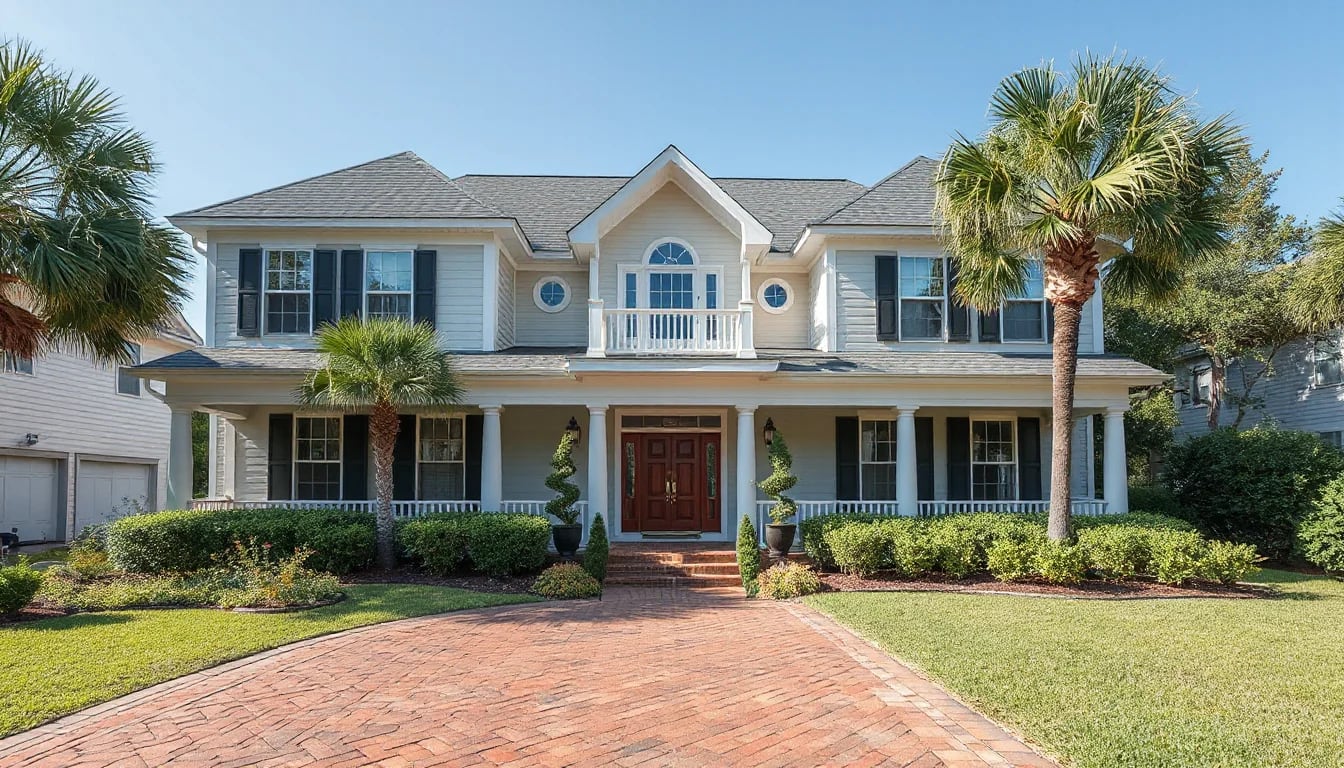
Buying a vacation rental on Isle of Palms can look simple on a spreadsheet, but strong revenue depends on far more than peak-season nightly rates. This guide breaks down the real cost stack, what tends to support better income, and the tradeoffs owners should weigh before making an offer. If you want a clearer view of cash flow potential, occupancy pressure, and property-specific risk, start here.
What Really Drives Vacation Rental ROI on Isle of Palms
Short-term rental performance on Isle of Palms is often discussed in headline numbers: summer demand, beach access, and premium nightly rates. Those factors matter, but return on investment is shaped by a wider mix of variables, including purchase price, insurance, property condition, financing terms, cleaning cycles, reserve funds, and local seasonality. A property that appears strong based on gross rental income can look very different once operating expenses and maintenance realities are fully included.

Location within the island can influence booking activity as much as the home itself. Walkable beach access, water views, updated outdoor spaces, parking convenience, and flexible sleeping arrangements tend to matter in guest decision-making. On the other hand, a home with deferred maintenance, dated interiors, or a challenging layout may need more aggressive pricing to stay competitive, which can compress margins even during stronger travel periods.
Owners also need to separate gross income from net income. Gross revenue is the top-line figure generated by bookings. Net income is what remains after management fees, taxes, utilities, repairs, consumables, HOA dues if applicable, and vacancy periods. ROI conversations become much more useful when buyers compare realistic net scenarios instead of relying on best-case booking projections.
On beach-area rentals, small differences in walkability, exterior condition, and outdoor usability can affect pricing power more than an extra decorative upgrade indoors.
The Cost Side: More Than the Mortgage
The biggest surprise for many buyers is how quickly the expense stack grows. Acquisition costs include down payment, closing costs, inspections, appraisal fees, lender fees, and any immediate repairs needed before the property can begin hosting guests. After closing, recurring costs may include principal and interest, property taxes, hazard and wind coverage, flood insurance where applicable, utilities, internet, pest control, landscaping, pool service, linen programs, and software or platform fees.
Insurance deserves especially careful attention in coastal markets. Premiums can materially affect cash flow, and buyers should obtain quotes early rather than waiting until late in the contract process. The same goes for reserves. Vacation rentals typically experience heavier wear than owner-occupied homes, so budgeting for repainting, HVAC service, appliance replacement, exterior upkeep, and furniture refresh cycles is not optional if the goal is to remain competitive over time.
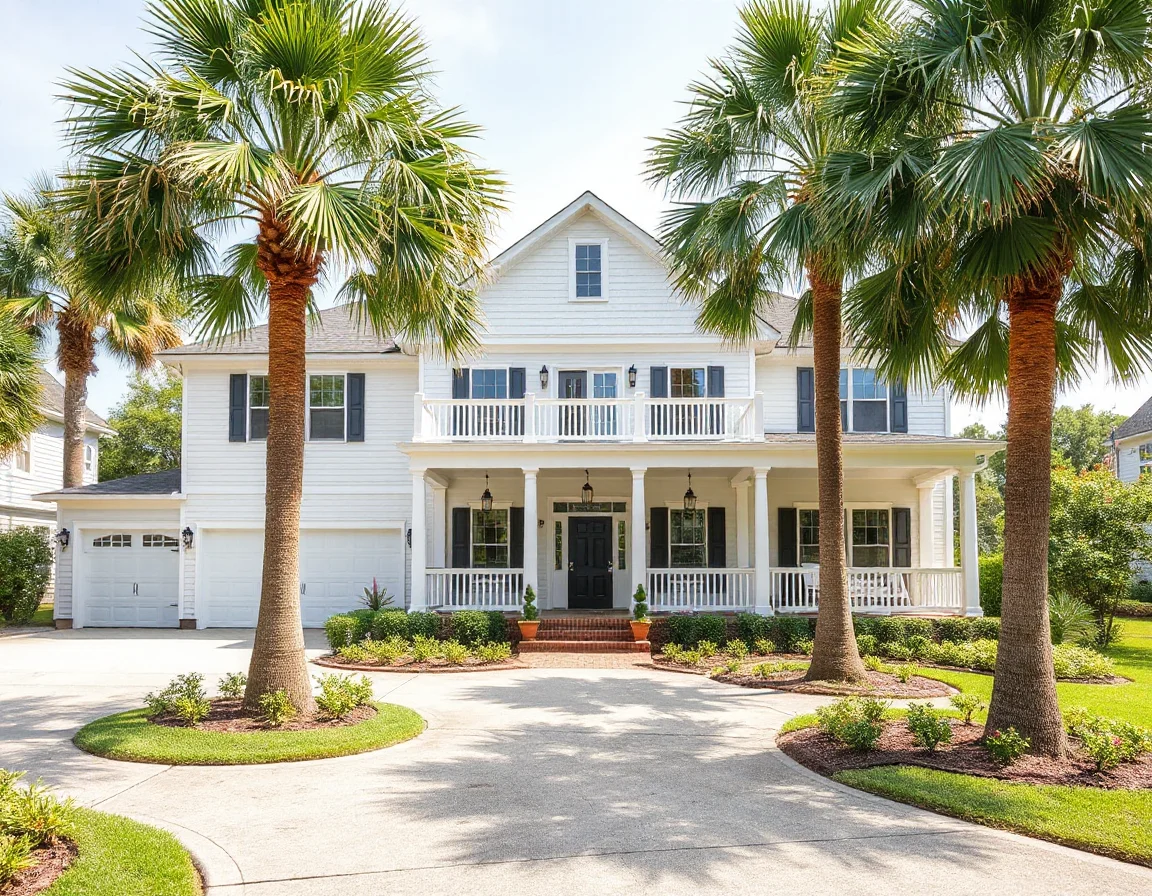
Management structure also changes the math. Self-management can reduce fee load, but it requires systems for guest communication, turnover coordination, pricing adjustments, vendor oversight, and emergency response. Full-service management can save time and provide stronger operational consistency, but it reduces the owner's share of revenue. Neither model is automatically better; the right fit depends on how involved the owner wants to be and how much variability they can tolerate.
HOA or regime costs should be reviewed closely for condos and planned communities. Fees may cover meaningful benefits such as exterior maintenance or amenities, but they still need to be included in a realistic annual pro forma. The same applies to furnishing costs for newly acquired properties. Initial setup can be substantial when done to a durable, guest-ready standard.
A property that needs only modest cosmetic work can outperform a cheaper purchase that requires months of repairs, delayed launch timing, and a large furnishing budget.
Explore Isle of Palms listings
Income Expectations: Seasonality, Occupancy, and Rate Strategy
Revenue on Isle of Palms is rarely flat throughout the year. Peak seasons can produce strong nightly rates and high occupancy, while shoulder and slower periods may require more competitive pricing. That makes annual underwriting essential. Buyers should evaluate revenue by month, not just by yearly totals, to see how cash flow might feel in real time. A property may perform well annually while still carrying lower-revenue stretches that matter for reserve planning.
Competitive income usually comes from a blend of desirable features rather than a single standout element. Updated kitchens and baths, easy beach access, appealing outdoor spaces, parking capacity, storage for gear, durable finishes, and a smooth guest experience often support repeat demand and stronger reviews. Pricing strategy matters too. Overpricing a rental can hurt occupancy, while underpricing may fill the calendar without maximizing return.
Historical performance data can be helpful, but it should be handled carefully. Past income does not guarantee future results, especially if booking patterns, regulations, insurance costs, or supply levels change. Buyers should compare historical numbers with current inventory, current condition, and current carrying costs. The question is not simply, “What did this property earn?” but also, “What can it reasonably earn now under today's expense structure?”
For many owners, the best-performing homes are the ones that combine reliable operations with broad guest appeal and manageable maintenance. Consistency often beats a strategy built around one exceptional month.
Tradeoffs Buyers Should Weigh Before Making an Offer
Every vacation rental purchase involves tradeoffs. A turnkey property may command a higher price but reduce renovation risk and accelerate booking readiness. A fixer-upper may offer room for value creation, but only if the buyer has the capital, timeline, and vendor coordination needed to execute improvements well. Likewise, oceanfront or near-ocean properties can benefit from strong demand, yet those locations may also come with higher acquisition costs and potentially higher maintenance exposure.

Another key tradeoff is personal use versus revenue optimization. Some owners want substantial access to the property for their own stays, while others focus on maximizing booking availability. Blocking high-demand dates for owner use can reduce annual income potential, so buyers should be honest about how they plan to use the home. The better aligned that plan is with the underwriting model, the fewer surprises there will be later.
Financing also influences flexibility. Interest rate, loan structure, and required reserves all affect break-even thresholds. Even a strong rental home can feel tight if debt service is too aggressive relative to variable income. Conservative underwriting can help buyers absorb slower months, major repairs, or a softer travel year without making rushed decisions.
Finally, think beyond year one. The strongest investment decisions usually account for resale appeal, future capital needs, and the property's ability to remain competitive as other inventory improves. Features that are expensive to add later, such as parking, lot position, outdoor living space, and view orientation, often deserve extra attention during the search.
A Smarter Way to Evaluate the Opportunity
For buyers considering Isle of Palms vacation rentals, the goal is not simply to find the highest advertised income number. It is to identify a property where purchase price, carrying costs, condition, and booking potential create a workable long-term equation. That means reviewing rental history, insurance options, repair needs, management assumptions, and seasonality together instead of in isolation.
When the analysis is done carefully, buyers can compare opportunities with much more confidence. Some homes will stand out for immediate usability. Others may offer upside through renovation or operational improvements. In either case, disciplined due diligence helps reveal whether a property is likely to be a steady performer, a lifestyle asset with partial income support, or a higher-risk play that needs a wider margin for error.
Isle of Palms remains a market where location, presentation, and operations all matter. Buyers who understand the full picture tend to make better decisions, ask sharper questions, and avoid letting gross revenue estimates overshadow the costs and tradeoffs that ultimately define ROI.