
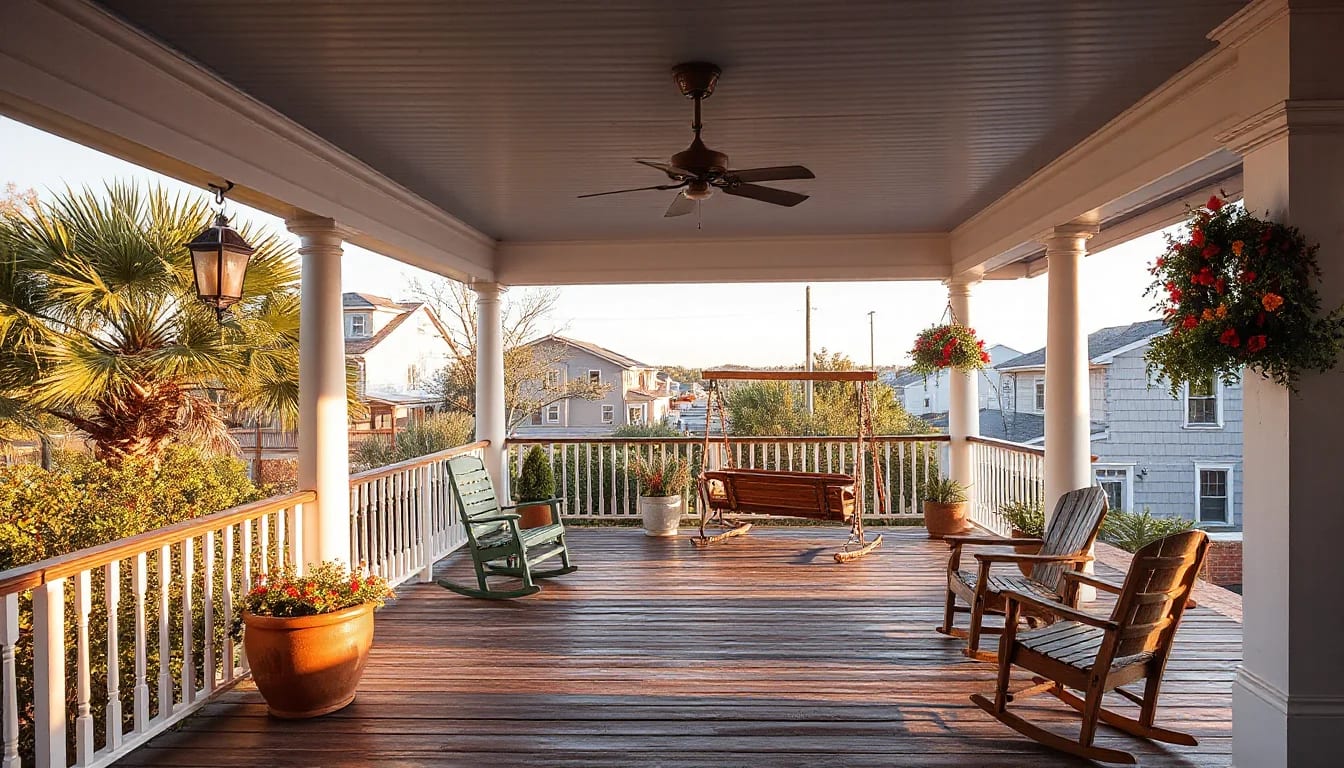
Buying on Sullivan’s Island means evaluating more than views, layout, and condition: flood-zone designation, elevation documentation, and the likely cost of flood coverage can all shape the long-term cost of ownership. A careful review before making an offer helps buyers compare properties on a more complete, practical basis and plan confidently for improvements, financing, and insurance.
Start With the Property’s Flood and Elevation Records
Sullivan’s Island is a coastal barrier island in Charleston County, where water, wind, tides, and drainage conditions are important parts of property due diligence. Flood insurance and elevation are not one-size-fits-all questions. Two homes on the same street can have different flood-zone designations, finished-floor elevations, construction details, or insurance pricing because of their location, foundation type, prior improvements, and map information.
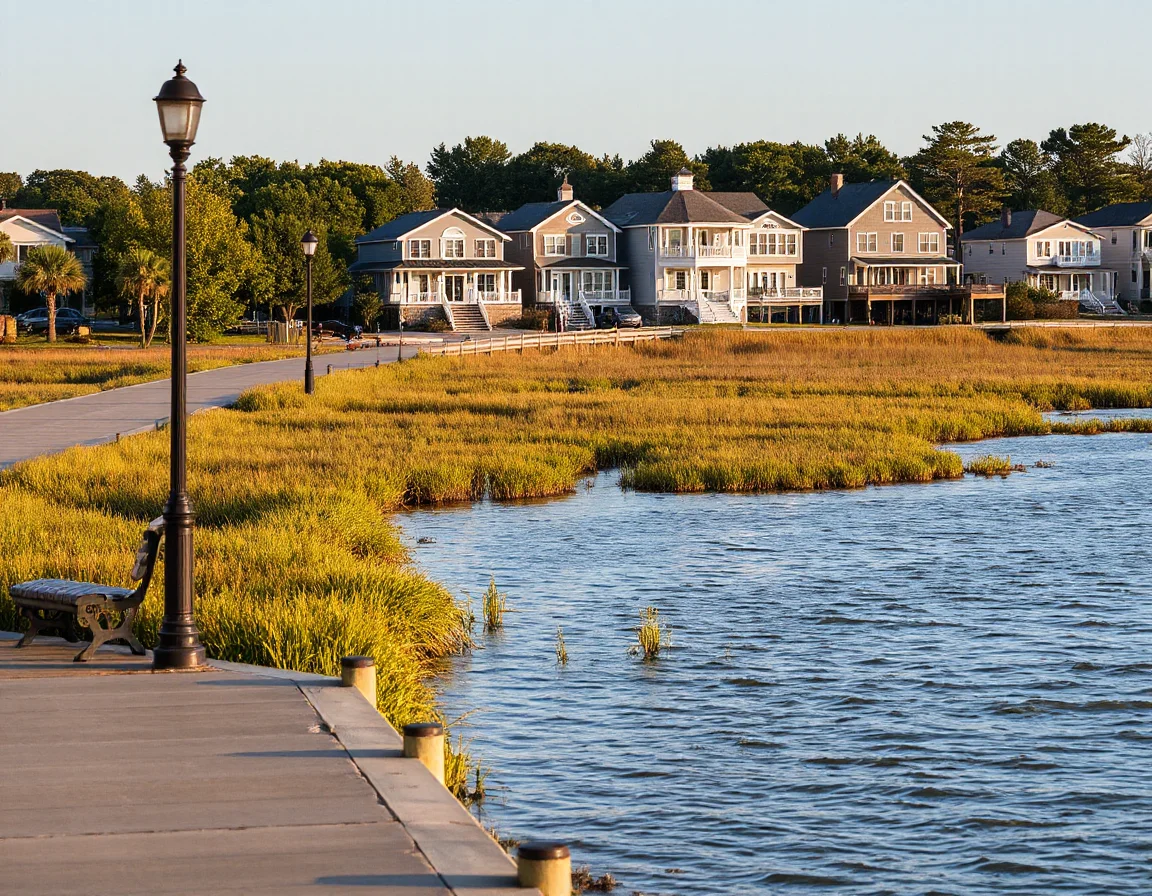
Begin by asking for the property’s current flood insurance declaration page, if coverage is in place, along with any available elevation certificate. An elevation certificate is a technical document prepared by a qualified professional that records key measurements, including the elevation of the lowest floor and certain building features relative to the applicable base flood elevation. It can be useful for understanding risk, obtaining insurance quotes, and evaluating future renovation plans.
Also review the current FEMA Flood Insurance Rate Map designation and confirm it with the lender, insurer, and appropriate local resources. A mapped flood zone does not guarantee whether water will or will not reach a property in a future event; it is one component of a broader assessment. Coastal conditions can also be influenced by storm surge, rainfall, tidal cycles, drainage, and changing map data. Buyers should use flood-zone information as a starting point rather than the only decision tool.
An elevation certificate can be valuable even when a lender does not require it, because it gives insurers and buyers a clearer basis for comparing the home’s elevation with applicable flood data.
For elevated coastal homes, ask what is located below the elevated living area. Enclosures, storage areas, parking areas, utility equipment, stairs, breakaway walls, and finished spaces may be treated differently for insurance, permitting, and future improvement purposes. The details matter. A room that appears useful during a showing may have restrictions on how it can be finished, insured, or rebuilt after a covered loss.
Understand How Insurance Costs Are Determined
Flood insurance is separate from a standard homeowners insurance policy. Depending on the property, financing, and lender requirements, a buyer may need coverage through the National Flood Insurance Program, a private insurer, or a combination of options. Premiums are influenced by more than a zone label. Insurers may consider the building’s location, elevation information, replacement cost, coverage amount, deductible, foundation and enclosure characteristics, claims history, and other underwriting factors.
Request quotes early in the purchase process, not just after contract negotiations are complete. A home’s annual premium can affect the monthly carrying cost and may influence the amount a buyer is comfortable offering. When comparing quotes, make sure the coverage limits and deductibles are comparable. A lower premium may reflect a higher deductible, reduced building coverage, reduced contents coverage, or exclusions that should be understood before closing.
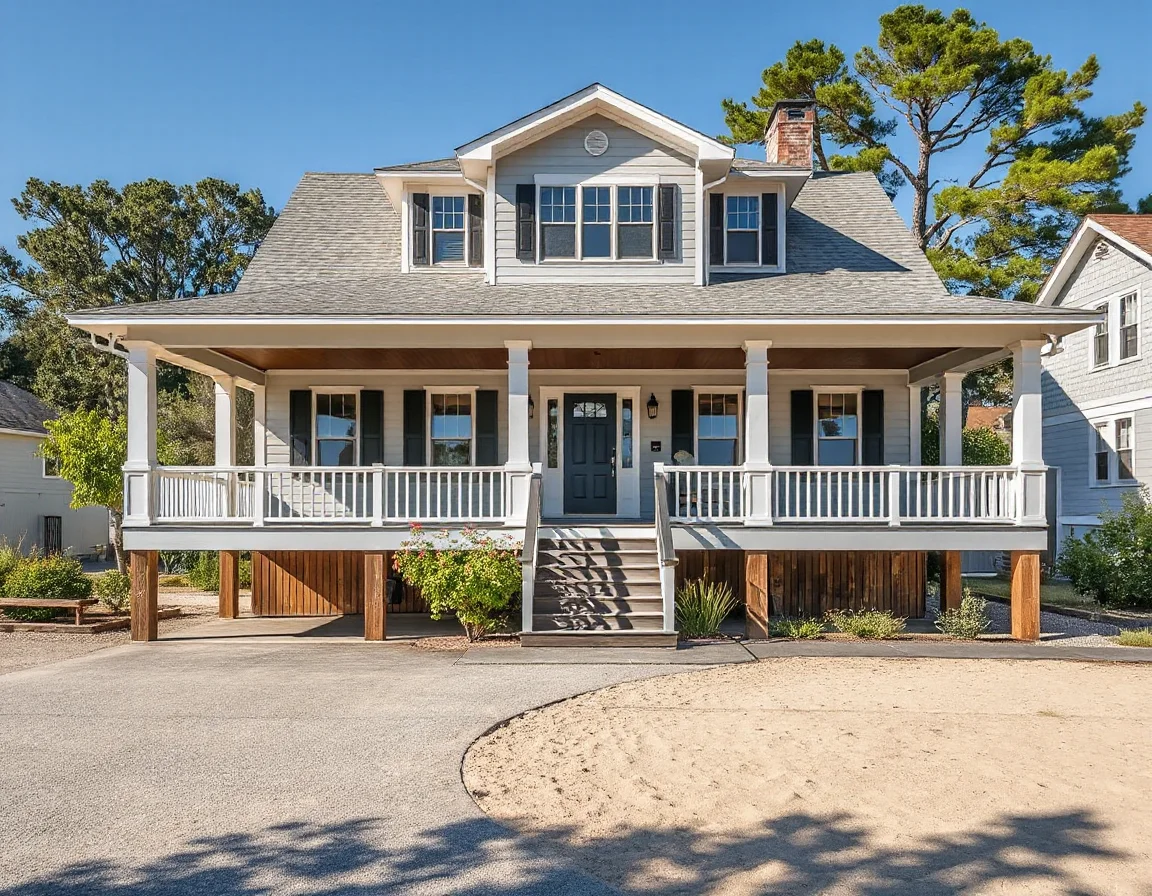
It is equally important to distinguish flood insurance from wind and homeowners coverage. Coastal properties can involve separate deductibles, carrier requirements, inspection standards, and policy conditions. Ask an insurance professional to explain the full coverage structure for the specific home, including whether the quote includes wind-related coverage and how deductibles apply. A complete insurance budget should account for all applicable policies rather than treating flood coverage as an isolated line item.
Prior claims and repair history deserve thoughtful review as well. Ask the seller for available records regarding water intrusion, insurance claims, drainage work, mitigation measures, renovations, and permits. Documentation can reveal how a property has performed, what systems have been updated, and whether completed work may affect future maintenance or insurance conversations. The goal is not to assume an outcome from a past event, but to understand the home’s physical history and the decisions behind its current condition.
Search Sullivan’s Island listings
Evaluate Elevation as Part of the Home’s Overall Condition
Elevation is often discussed as a number, but it is more helpful to consider it in context. Review the finished-floor elevation, the condition and type of foundation, visible drainage patterns, the location of mechanical systems, and how the site relates to nearby streets, marsh edges, beach areas, or tidal waterways. A qualified inspector, surveyor, engineer, or contractor can help explain findings that may not be obvious during a brief showing.
Pay close attention to practical systems. Where are the HVAC equipment, electrical panels, water heaters, generators, fuel tanks, and outdoor storage located? Are exterior stairs, decks, railings, and lower-level enclosures in good condition? Does the property have gutters, downspouts, grading, or drainage features designed to direct rainfall away from the structure? These features do not replace insurance or eliminate risk, but they can be relevant to maintenance planning and future improvements.
For homes where renovation is part of the plan, investigate requirements before finalizing a budget. Sullivan’s Island has coastal regulations, zoning considerations, and permitting processes that can affect the scope, timing, and cost of additions, repairs, demolition, or substantial renovations. Work that involves a lower enclosure, foundation, elevation, or systems placement may require specialized advice. Early conversations with local professionals can prevent a design concept from becoming an expensive surprise later.
Build a Due-Diligence Checklist Before You Commit
A strong offer strategy combines the property’s appeal with a clear understanding of recurring costs and potential capital needs. During the due-diligence period, organize the available documents and identify gaps that need professional follow-up. This approach makes it easier to compare multiple homes fairly, particularly when each property has a different age, construction style, or relationship to the water.
- Flood information: Obtain the current map designation, available elevation certificate, and insurance declaration page.
- Insurance quotes: Compare flood, homeowners, and wind-related coverage with the same coverage limits and deductibles.
- Property history: Review seller disclosures, prior claims information when available, permits, invoices, and records of water-related repairs.
- Site and structure: Use inspections and, when appropriate, surveys or engineering input to evaluate foundation, drainage, pilings, decks, enclosures, and mechanical equipment.
- Future plans: Confirm likely permitting and design considerations before assuming a renovation, lift, addition, or lower-level conversion will be straightforward.
Mortgage lenders may require flood coverage when a property is located in a mapped special flood hazard area, but buyers should not wait for a lender requirement to begin the research. Insurance availability, underwriting timelines, and documentation needs can affect the transaction schedule. Starting early leaves time to compare options and ask informed questions without compressing critical decisions into the final days before closing.
Local expertise also matters because the island’s housing stock includes a range of architectural periods, elevated coastal construction methods, and site conditions. A historic cottage, a recently built residence, and a renovated beach house may each require a different set of questions. The best approach is specific: assess the actual home, its records, its systems, and the buyer’s intended use rather than relying on broad assumptions about any street or neighborhood.
Make the Decision With Clear Numbers and Trusted Advice
A coastal purchase can be rewarding when the financial and physical details receive the same attention as the home’s design and setting. Before moving forward, factor insurance premiums, deductibles, inspection findings, likely maintenance, and any desired improvements into the overall ownership budget. Keep copies of insurance documents, elevation records, surveys, and permits after closing; they can be useful for renewals, future projects, and a later resale.
Charleston Realty and Jayson Wingfield can help buyers navigate the listing-side details that support a well-prepared search, including questions to raise about property records, insurance timing, and coastal home features. Pair that real estate guidance with advice from licensed insurance professionals, inspectors, surveyors, engineers, lenders, and local permitting authorities. With a complete team and a disciplined review process, buyers can pursue Sullivan’s Island property with a better understanding of both its character and its responsibilities.