

A Sullivan’s Island home can offer an exceptional coastal setting, but long-term results depend on more than the purchase price and a future sale. Property taxes, insurance, maintenance, financing, and coastal planning all shape the true annual cost of ownership. Understanding those numbers early helps buyers compare properties clearly and make decisions with a realistic long-range view.
Look Beyond the Purchase Price
When evaluating a home on Sullivan’s Island, the purchase price is only the opening number. A thoughtful long-term return-on-investment analysis considers the cost to buy, operate, maintain, improve, insure, finance, and eventually sell the property. For a coastal home, these categories can vary meaningfully from one address to another based on lot size, elevation, age, construction details, proximity to water, and the property’s existing systems.
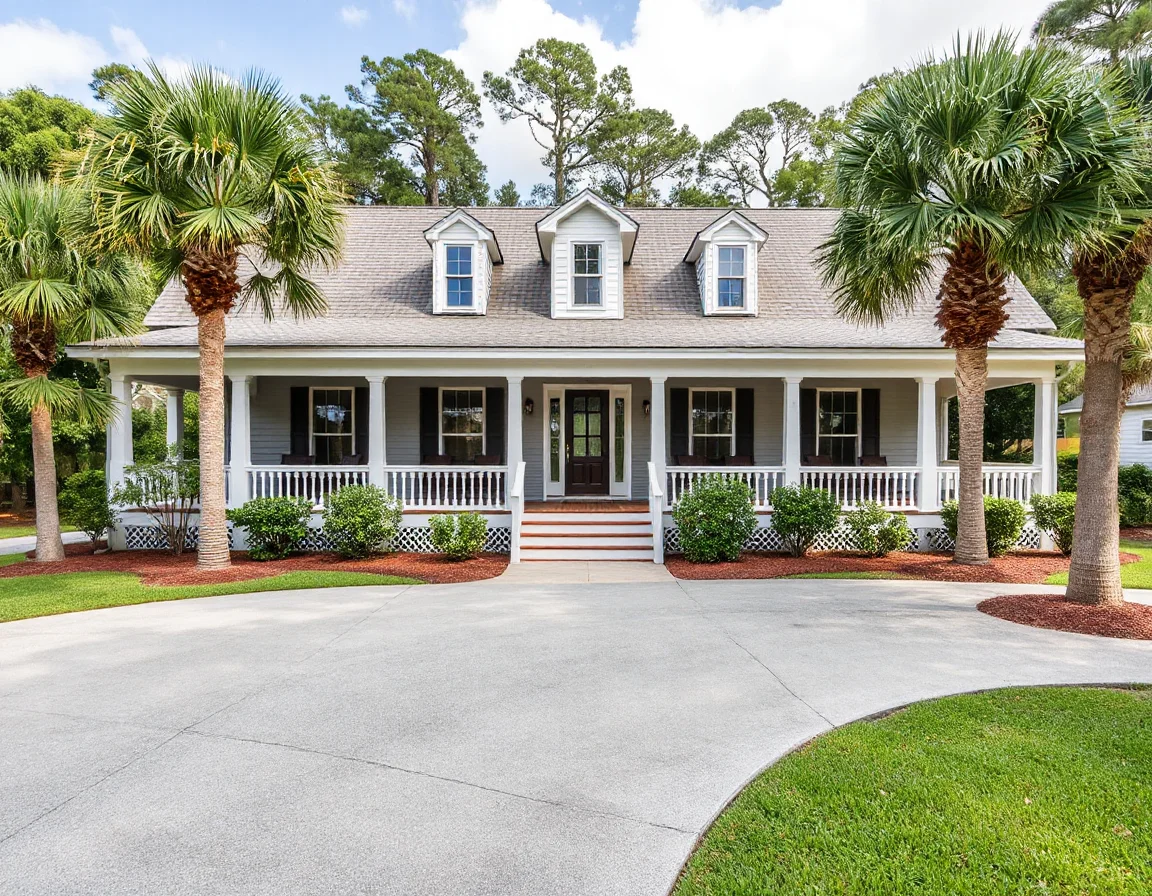
Carrying costs are the recurring expenses of ownership. They may include principal and interest payments, property taxes, homeowners insurance, flood insurance where applicable, wind coverage, utilities, landscaping, pest service, HVAC care, exterior upkeep, and reserve funds for larger projects. HOA or regime fees may also apply to certain property types, though many detached homes have no monthly association dues. The right comparison is not simply “What will this property cost each month?” but “What will this property likely require over the next five, ten, or fifteen years?”
That distinction matters because two homes with similar list prices can produce very different ownership profiles. A newer residence with impact-rated openings, updated mechanical systems, durable exterior materials, and a recently completed roof may have a different maintenance outlook than an older home that retains original or aging components. Historic character can be highly appealing, but it should be paired with a clear inspection strategy and a realistic reserve for preservation-minded work.
A strong coastal-home budget includes a maintenance reserve in addition to known monthly bills, so an unexpected exterior, drainage, or mechanical project does not distort the ownership plan.
Buyers can also improve their projections by separating one-time expenses from recurring ones. Closing costs, furnishing, initial repairs, and elective improvements deserve their own category. Recurring costs should be measured annually, then reviewed against household cash flow and the intended holding period. This approach produces a more useful picture than relying on a single monthly payment estimate.
Insurance, Taxes, and Coastal Maintenance
Insurance is often one of the most important variables in a Sullivan’s Island ownership plan. Premiums can differ based on construction year, roof age and shape, elevation information, mitigation features, deductible choices, coverage limits, and carrier underwriting. Flood coverage and wind-related coverage should be reviewed carefully rather than treated as standard line items. An insurance professional can provide property-specific quotes before a buyer completes due diligence, allowing the estimate to reflect the actual home rather than a broad market assumption.

Property taxes are another ongoing cost that should be verified using current public records and local assessment practices. Taxes may change following a purchase or reassessment, and ownership use can affect eligibility for certain tax treatments. Rather than projecting from a prior owner’s bill alone, buyers should ask for a current estimate based on their own expected ownership structure. This is especially helpful when comparing a primary residence, a second home, or a property held for another permitted use.
Coastal maintenance rewards consistency. Salt air, humidity, wind, sun exposure, sand, rain, and changing temperatures can place added demands on exterior paint, trim, decks, railings, fasteners, windows, roofing, and drainage systems. Regular inspections can catch small issues before they become larger capital projects. A practical schedule may include seasonal HVAC service, roof and gutter checks, exterior washing, caulk and sealant review, pest monitoring, tree care, and prompt attention to water intrusion.
For waterfront and near-water properties, it is also wise to understand the condition and responsibility associated with docks, bulkheads, walkways, seawalls, and other site features when present. Permitting, repair timing, materials, and environmental requirements can affect both cost and project duration. These details should be reviewed with qualified local professionals during due diligence rather than assumed from photographs or listing remarks.
The most useful insurance quote is tied to the exact property, its current condition, and the coverage choices you intend to carry—not a countywide average.
Keeping documentation is part of protecting long-term value. Receipts, warranties, inspection reports, insurance records, permits, and before-and-after photographs can help owners track improvements and present a more complete story when it is time to sell. Organized records do not eliminate maintenance costs, but they can make future planning and transaction preparation far more efficient.
Search Sullivan’s Island listings
Financing and Improvement Decisions Affect the Outcome
Financing costs can have an outsized effect on long-term home ROI. Interest rate, down payment, loan term, lender fees, points, and the decision to refinance all influence the cost of capital. Buyers should compare scenarios that match their likely holding period. A loan structure that looks attractive over thirty years may not be the best fit for an owner expecting to make a major change in five years, while a different structure may support a longer ownership horizon.
Improvement planning deserves the same discipline. Cosmetic updates may enhance enjoyment and market presentation, while essential projects—such as roofing, windows, structural repairs, drainage work, or system replacement—often protect the home’s condition and functionality. Before starting a project, clarify its purpose: reducing future maintenance, improving day-to-day use, complying with local requirements, or strengthening resale presentation. Not every dollar spent returns dollar-for-dollar at resale, but well-considered improvements can reduce deferred maintenance and make a property easier for future buyers to evaluate.
On an island with a distinct architectural setting and local review considerations, project timelines may be longer than expected. Owners should allow for design, contractor availability, permits, material lead times, weather, and required approvals. Building a contingency into both the budget and schedule is a practical way to manage these variables without forcing rushed decisions.
Measure ROI as a Range, Not a Promise
Real estate performance is influenced by market conditions, inventory levels, financing availability, property condition, local regulations, and buyer demand at the time of resale. No one can guarantee a future appreciation rate or sale price. Instead, owners can use a range-based analysis that includes conservative, moderate, and optimistic scenarios for value change, annual carrying costs, and potential selling expenses.
A useful model begins with the all-in acquisition cost, adds annual operating expenses and planned capital improvements, then estimates net proceeds after a future sale. Revisit the model annually as insurance renewals, tax assessments, interest rates, and repair needs change. This process is not about predicting the future perfectly; it is about making informed choices with current information and leaving room for changing conditions.
For many owners, the value of a Sullivan’s Island property is not captured only in a spreadsheet. Time spent near the beach, access to tidal landscapes, distinctive architecture, and the convenience of the Charleston area can all be meaningful parts of the ownership experience. The financial plan should be rigorous, while the lifestyle considerations should be personal and specific to the way the property will be used.
Before making an offer, assemble a local team that can help review inspections, insurance options, financing terms, maintenance priorities, permitting questions, and comparable sales. With the right due diligence, carrying costs become a planning tool rather than an unwelcome surprise—and a clearer foundation for evaluating the home’s long-term potential.