

Sullivan’s Island has a rhythm that changes with the light, tides, and seasons rather than a packed event calendar. From spring beach walks and summer shoreline routines to autumn gatherings and peaceful winter mornings, the island offers a year-round way to connect with coastal scenery, local history, and community traditions. Knowing that rhythm can help buyers evaluate both the daily experience and the practical considerations of owning property near the water.
A Coastal Calendar Shaped by the Seasons
Sullivan’s Island is a small barrier island at the entrance to Charleston Harbor, where daily life is often organized around the beach, changing tides, and time outdoors. Its traditions tend to feel informal and place-based: a morning walk along the shoreline, an evening bike ride beneath live oaks, or a visit to the island’s historic landmarks. Rather than relying on a single headline event, the island’s character unfolds through repeating seasonal rituals that residents and visitors can experience in their own way.
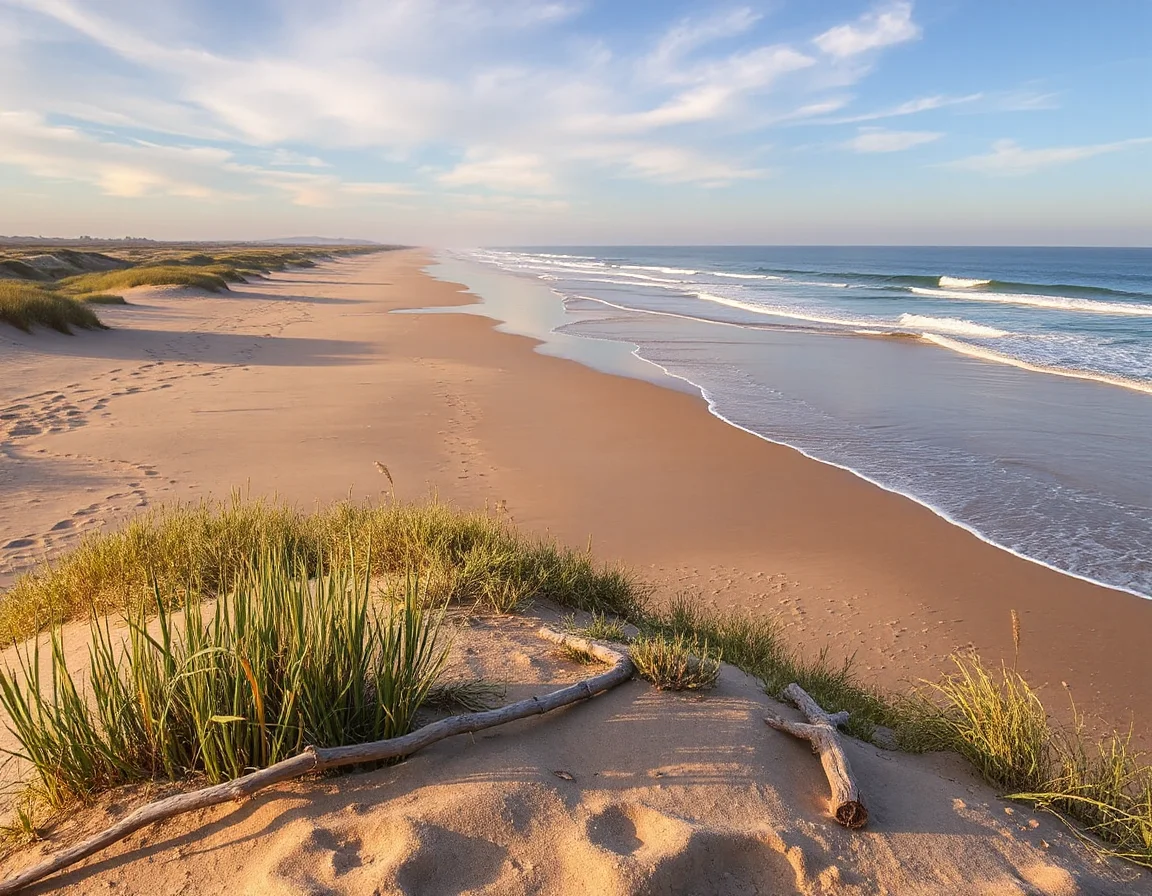
Spring brings longer days, mild coastal temperatures, and a renewed focus on the outdoors. Beach access paths, quiet residential streets, and waterfront views become part of the everyday landscape. It is also a useful season for prospective property owners to observe how a home feels with open windows, salt air, changing light, and the first busy weekends of the year. For coastal real estate, details such as porches, durable exterior materials, storage for beach equipment, and landscaping can become especially meaningful in this season.
The island’s historic setting adds another layer to a spring visit. Fort Moultrie and the surrounding harbor landscape offer a tangible connection to the area’s past, while the views toward the Cooper River, Charleston Harbor, and the Atlantic help explain why waterfront and historic properties remain such an important part of the local market. Exploring on foot or by bicycle makes it easier to notice the varied architectural scale of homes, from classic beach cottages to larger contemporary residences designed around breezes and water views.
The most revealing time to tour a coastal property is often more than once: visit at different times of day, check the approach from the beach access or bridge, and note how wind, sun, and tide affect the setting.
Spring is also a practical time to review local regulations and maintenance needs. Coastal ownership can involve flood insurance, elevation considerations, storm preparation, and careful attention to exterior upkeep. A thoughtful home search balances the appeal of ocean air and waterfront scenery with a clear understanding of the systems that support long-term stewardship of a barrier-island property.
Summer Traditions: Beach Time, Harbor Views, and Local Gathering
By summer, the island’s public spaces take on a more energetic pace. Early mornings and late afternoons are often the most comfortable periods for walking, biking, fishing, or simply watching activity along the water. The beach remains a central amenity, but the experience extends beyond the sand: harbor overlooks, maritime breezes, and the island’s compact streets give summer days a distinctly coastal rhythm.
Community-oriented occasions during the warmer months may include seasonal programs, civic updates, recreation opportunities, and events coordinated through local organizations or nearby Charleston-area venues. Because schedules and permits can change, it is always wise to confirm current dates directly with the Town of Sullivan’s Island, Fort Moultrie, and event organizers before making plans. That flexibility is part of the island’s appeal: the best day may be one built around a tide chart, an open stretch of beach, and an unhurried meal nearby.

For homeowners, summer underscores the importance of outdoor living areas. Covered porches, screened spaces, outdoor showers, shaded patios, storage, and well-planned landscaping can make a substantial difference in how a property functions during warm, humid months. Waterfront homes may also offer opportunities to appreciate sunrise or sunset views, boating access, or changing harbor activity, depending on location and property features.
It is equally important to plan with the season in mind. Traffic patterns, parking rules, beach regulations, and weather preparedness can all influence the day-to-day experience. Buyers considering a home near the ocean should ask detailed questions about drainage, roof age, windows, insurance history, flood-zone information, and hurricane-readiness improvements. These are not merely technical items; they are part of understanding how a home supports the coastal lifestyle that draws people to Sullivan’s Island.
Explore Sullivan’s Island real estate
Autumn and Winter Offer a Different View of the Island
As temperatures ease, autumn often feels like a reset along the coast. The beach can be less crowded, the light becomes softer, and the island’s natural details stand out: sea oats moving in the breeze, marsh grasses changing tone, and long views across the harbor. It is an excellent season for taking time with a home search, especially for buyers who want to compare neighborhoods, evaluate exterior conditions, and imagine how a property lives beyond peak beach season.
Autumn also invites a closer look at the island’s relationship with Charleston and neighboring coastal communities. Sullivan’s Island is connected to Mount Pleasant by the Ben Sawyer Bridge and sits within convenient reach of downtown Charleston’s cultural institutions, waterfront parks, and dining destinations. That proximity gives property owners access to a broader regional calendar while preserving the island’s more restrained residential setting.
A home’s seasonal appeal is worth measuring beyond summer: autumn breezes, winter sun exposure, and off-season access can reveal features that are easy to overlook during a single warm-weather showing.
Winter brings a quieter version of the same scenery. Cool, clear mornings can make harbor views especially crisp, while uncrowded beach walks offer time to appreciate the island’s scale and natural setting. This is also a productive period for owners to schedule inspections, evaluate maintenance projects, update insurance documentation, and prepare outdoor spaces for the year ahead. In historic homes, winter planning may include a closer review of woodwork, windows, foundations, and preservation-sensitive improvements.
Finding a Home That Fits the Island’s Rhythm
The most memorable Sullivan’s Island traditions are often simple: watching the tide come in, meeting friends at a community gathering, exploring Fort Moultrie, or returning to a favorite stretch of shoreline in a different season. For buyers, that means a successful home search should consider more than bedroom count or square footage. It should also account for the route to the beach, the orientation of outdoor spaces, water views, storage, maintenance needs, and the everyday flow of the property.
Charleston Realty and Jayson Wingfield provide guidance for buyers exploring luxury homes, waterfront residences, historic properties, and distinctive coastal real estate throughout the Charleston area. A concierge-minded approach can help organize the many details involved in evaluating a barrier-island home, from market context and property condition to the lifestyle features that matter most for your goals.
Search Sullivan’s Island listings
Whether your interest begins with a seasonal visit or a long-standing appreciation for the Lowcountry coast, Sullivan’s Island rewards careful exploration. Spend time there across different months, ask practical questions, and let the island’s beaches, harbor views, historic landmarks, and community traditions show you what daily life by the water can look like.