

Salt air, wind-driven rain, and coastal storms can place steady demands on a Sullivan’s Island property—even between major weather events. A practical maintenance calendar, durable materials, and well-organized insurance records can help protect both daily comfort and long-term property condition. Start with the exterior systems that face the coast first: roof, drainage, windows, doors, decks, and mechanical equipment.
Why Coastal Maintenance Needs a Different Rhythm
On a barrier island, a home’s exterior is constantly exposed to moisture, airborne salt, ultraviolet light, sandy grit, and changing winds. Those conditions do not mean every property will experience the same issues, but they do make routine inspection especially valuable. Small details—a loose fastener, peeling sealant, a clogged scupper, or corrosion beginning around an outdoor fixture—can become more expensive when they are left through a rainy season or a tropical-weather event.
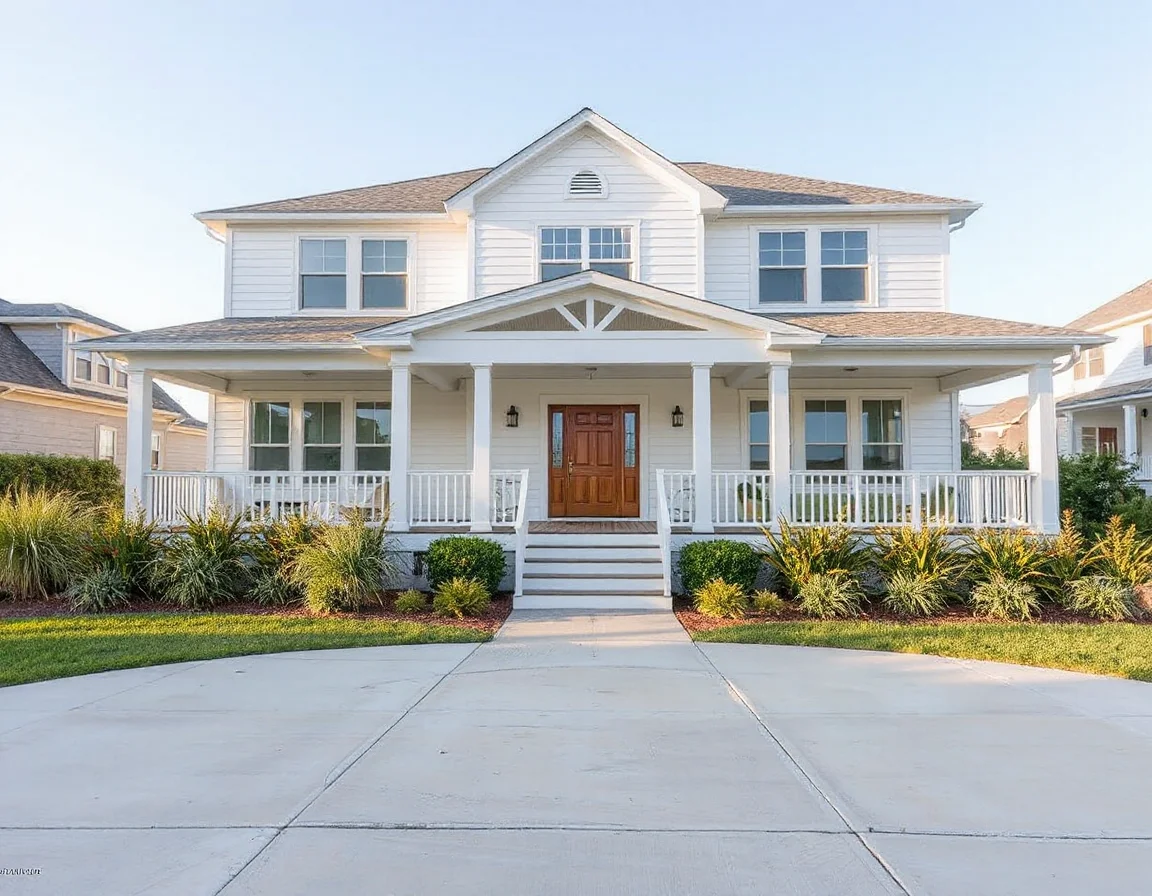
Think in seasons rather than emergencies. Spring is a useful time to inspect exterior paint, railings, screens, roof penetrations, gutters, and landscape drainage before the most active stretch of summer weather. Late summer and early fall are appropriate times to confirm storm supplies, document property condition, and review shutters or other opening-protection systems. After a significant weather event, a careful visual check can identify damage before water finds its way behind siding, trim, or flashing.
Salt accumulation deserves attention even during calm weather. Rinsing exposed metal components, outdoor furniture, railings, window frames, HVAC housings, and deck hardware with fresh water can reduce the corrosive residue that coastal air leaves behind. Follow manufacturer guidance for each material, particularly for painted finishes, natural wood, stainless steel, aluminum, and outdoor mechanical equipment. A qualified local contractor can help determine when cleaning is enough and when a coating, repair, or replacement is warranted.
A quick rinse after periods of strong onshore wind can be a simple preventive step: salt residue often collects in seams, joints, louvers, and hardware long before corrosion is obvious from a distance.
Start With the Building Envelope
The building envelope is the line of defense between outdoor conditions and the interior: roofing, flashing, siding, trim, windows, doors, vents, sealants, and the connections between them. Coastal properties benefit from a regular review of these transitions because wind-driven rain can test areas that remain dry during ordinary showers. Look for cracked caulk, failed weatherstripping, soft wood, loose trim, rust stains, damaged screens, or staining around ceilings and window openings.
Roof maintenance should be handled carefully and, when appropriate, by a licensed roofing professional. Ask for attention to shingles or panels, ridge and edge details, fasteners, vents, flashing, and any penetrations for plumbing or mechanical systems. Clear leaves and debris from gutters, downspouts, scuppers, and roof drains so water has a planned route away from the structure. The goal is not merely to keep surfaces tidy; it is to limit standing water and direct runoff away from vulnerable areas.
Windows and exterior doors also need an operational check. Open and close them, inspect locks and seals, and make sure drainage channels are not blocked by sand or debris. If your property has impact-rated openings, storm panels, or shutters, keep the installation instructions, required hardware, and storage location organized. Practice is useful: discovering a missing panel bolt or worn latch during a storm watch is far less convenient than finding it on a clear day.
- Photograph exterior elevations, rooflines, decks, fences, and major equipment before storm season.
- Store copies of receipts, permits, warranties, and contractor reports in a waterproof physical file and a secure digital folder.
- Confirm that drainage paths, downspout extensions, and grading direct water away from the foundation or pilings.
- Schedule professional evaluations for suspected structural, roofing, electrical, or moisture concerns.
Decks, Railings, and Outdoor Systems Need Close Attention
Porches, decks, stairs, railings, gates, and outdoor showers make coastal living more functional, but they also combine moisture exposure with frequent use. Examine boards for splitting, cupping, soft spots, or fastener movement. Check railings for stability and look closely where posts meet the deck or stair structure. Any movement, corrosion, or deterioration should be evaluated promptly, especially where safety and code compliance may be involved.
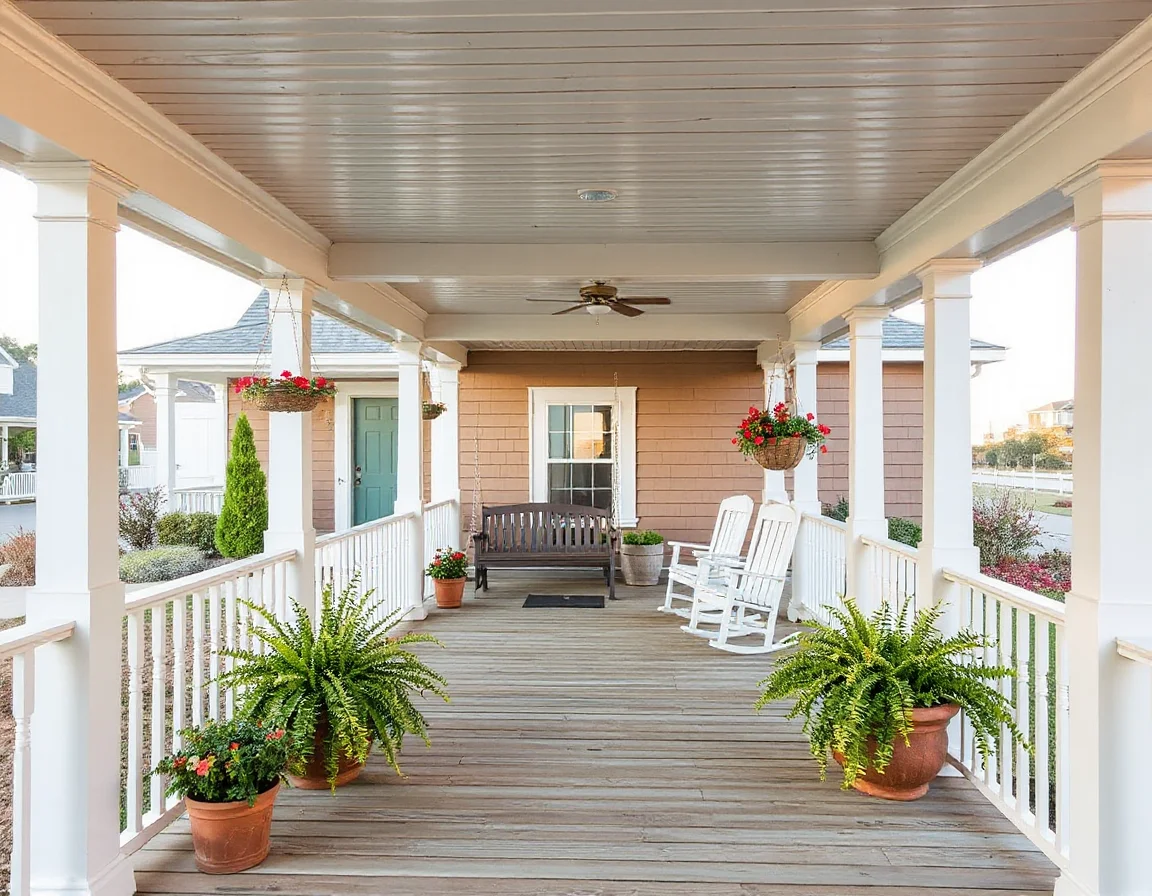
Material choices matter when repairs or updates are planned. Hot-dipped galvanized or stainless-steel fasteners, corrosion-resistant connectors, quality exterior sealants, and finishes designed for coastal exposure may offer better durability than products intended for a more sheltered climate. There is no one-size-fits-all material list, however; compatibility with the existing structure and local building requirements should guide the decision. A knowledgeable contractor can explain the maintenance tradeoffs among wood, composites, metals, and coatings.
Mechanical systems deserve the same disciplined approach. Outdoor HVAC condensers, generators, irrigation controls, lighting, and pool equipment can be affected by salt and moisture. Keep vegetation and debris away from equipment, avoid directing sprinklers toward units, and arrange service according to the manufacturer’s recommended schedule. If a system needs elevated mounting, anchoring, or protective measures, consult the relevant licensed professional rather than relying on an improvised solution.
For coastal owners, maintenance records are more than household paperwork. A dated log of inspections, repairs, and product warranties can make future planning—and post-storm conversations with contractors or insurers—far more straightforward.
Prepare Before a Named Storm Is on the Map
Storm preparation works best when it is completed before forecasts become urgent. Create a property-specific checklist that covers opening protection, outdoor items, vehicles, fuel, backup power plans, important documents, and contact information for service providers. If the home is unoccupied for part of the year, establish a clear inspection plan with a trusted property professional or service company and make sure they know where shutoffs, electrical panels, and essential supplies are located.
Review insurance policies well ahead of hurricane season. Homeowners, wind, flood, and excess coverage can have different terms, deductibles, exclusions, and waiting periods. An insurance professional can explain the policy language that applies to your property, while a lender may have additional requirements. Keep current photographs and a written inventory of major appliances, furnishings, finishes, and improvements. For valuable items, retain appraisals or receipts when available.
After a storm, prioritize personal safety and official guidance. Do not enter a damaged structure if there are concerns about electrical hazards, structural instability, standing water, or contamination. When it is safe to assess the property, take photographs before temporary repairs, prevent additional damage when possible, and contact qualified professionals for repairs. Preserve invoices and written estimates, and communicate with your insurer before authorizing major restoration work whenever the policy process requires it.
Search Sullivan’s Island listings
Protecting Long-Term Condition and Market Readiness
Consistent upkeep supports day-to-day enjoyment, but it also helps a property present a clearer maintenance story when it is time to sell. Buyers commonly look closely at coastal systems: roof age, exterior materials, window and door condition, deck structure, drainage, HVAC service history, and evidence of water intrusion. Well-kept records cannot eliminate every question, yet they give prospective buyers useful context about how a home has been maintained.
Before listing a Sullivan’s Island home, consider a pre-sale walk-through with experienced local professionals. Focus on visible deferred maintenance, unfinished repairs, exterior presentation, and documentation for major improvements. Coastal properties are distinctive, and a thoughtful plan can help sellers decide which projects merit attention before photography, showings, and inspections begin. Charleston Realty’s white-glove, concierge-minded approach can help coordinate the details while keeping the process focused on the property’s condition and goals.
Salt air and storm exposure are part of the island setting, not a reason to postpone care. With regular inspections, sensible materials, reliable service partners, and a readiness plan in place, homeowners can address small concerns early and approach each season with a more organized strategy.