

Sullivan’s Island marks the year with coastal traditions, outdoor gatherings, historic programs, and easygoing seasonal rhythms. From spring events near Middle Street to summer beach days, fall evenings around Fort Moultrie, and winter lights, these occasions offer a useful window into the island’s public spaces, local businesses, and waterfront setting.
A Calendar Shaped by the Coast
Sullivan’s Island has a rhythm that feels distinctly tied to the Atlantic. The town’s annual events and informal seasonal gatherings are often modest in scale, but that is part of their appeal: a community program, a morning run, a library event, a historic observance, or an afternoon spent moving between the beach and the island’s central corridors. For people considering a move, attending an event can reveal how parking, beach access, walkability, and public gathering places function beyond a listing photo.
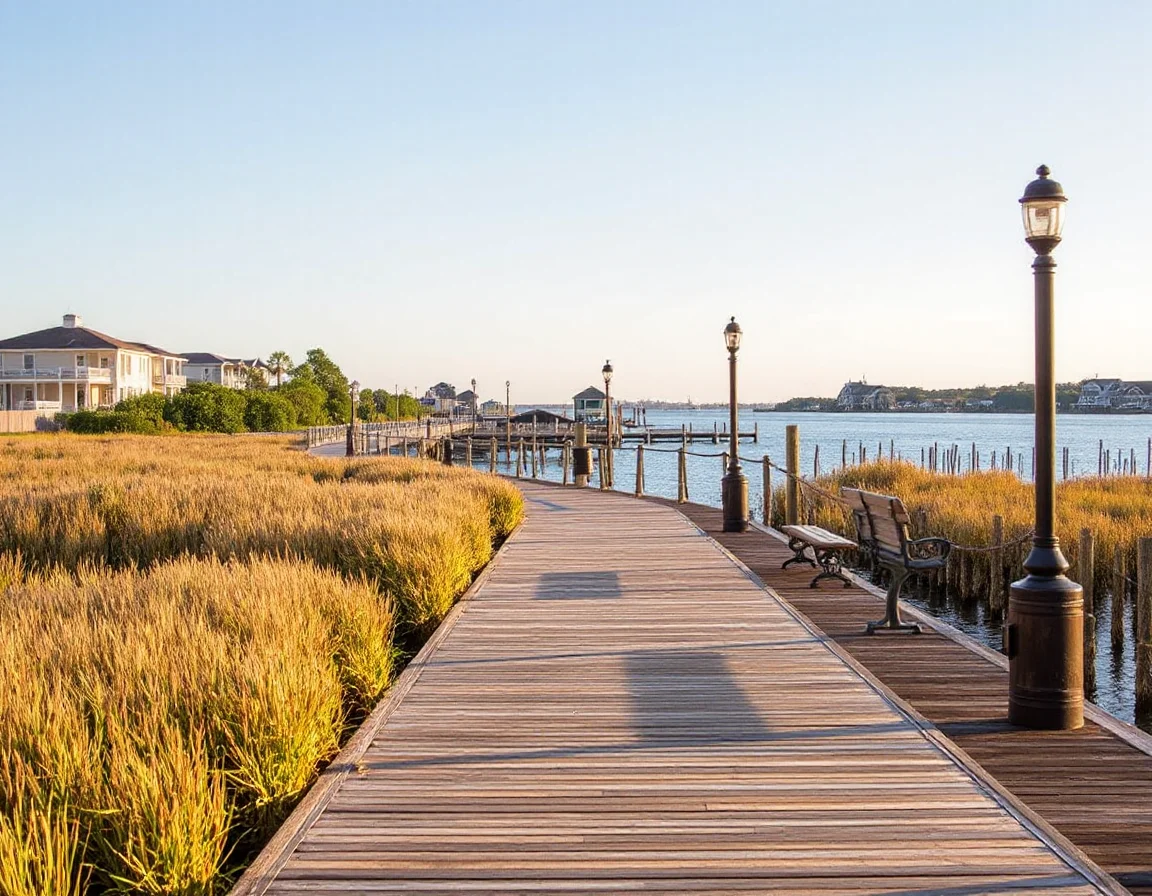
Because the island is a barrier island with limited road connections, event days are also practical days for observing logistics. Visitors may find that arriving early, using a bicycle where appropriate, or allowing extra travel time makes a noticeable difference. Weather, tides, and seasonal visitor volume can shape plans as much as the event itself, so checking current Town of Sullivan’s Island and venue announcements before heading out is always wise.
The annual calendar is not built around one oversized festival. Instead, it is a collection of recurring traditions that highlight different parts of island life: public history at Fort Moultrie, outdoor recreation along the beach, seasonal programming at the Edgar Allan Poe Library, and civic gatherings that bring residents and visitors into shared public spaces. That smaller-scale approach gives each season its own character.
On an island where access and parking can change with the season, attending a public event is an especially practical way to experience travel patterns, beach entry points, and the pace of the day firsthand.
Spring: Outdoor Energy and Local Traditions
Spring brings comfortable temperatures, sea breezes, and a return to outdoor activity. This is a popular time for local recreation events, beach walks, organized runs, and community programming. The island’s compact geography makes it easy to connect a morning gathering with time at the shoreline, a visit to a public park, or a stop along Middle Street.
Fort Moultrie is an important part of the seasonal landscape. Managed by the National Park Service as part of Fort Sumter and Fort Moultrie National Historical Park, the site regularly provides opportunities to explore centuries of coastal defense history through exhibits, ranger-led interpretation, and special programs. The fort’s setting on the harbor side of the island adds a dramatic backdrop: open water, maritime breezes, and views toward Charleston Harbor create an experience that is both historic and unmistakably Lowcountry.
Spring is also a good season to notice the island’s natural details. Sea oats, maritime vegetation, tidal areas, and shorebird habitat are part of the setting, and visitors should follow posted beach and wildlife protections. These features matter for homeowners as well, particularly when evaluating a property’s relationship to dunes, drainage, beach access, flood zones, and coastal maintenance requirements.
Explore Sullivan’s Island real estate
Summer: Beach Days, National Holidays, and Evening Light
Summer on Sullivan’s Island naturally centers on the shoreline. Beachgoing, paddle activities in appropriate conditions, early-morning walks, and sunset views all become part of the daily routine. Seasonal visitors add energy to the island, while local regulations and environmental protections help guide the use of beaches and public areas. A summer visit offers a clear look at how a coastal property performs when the island is at its most active.
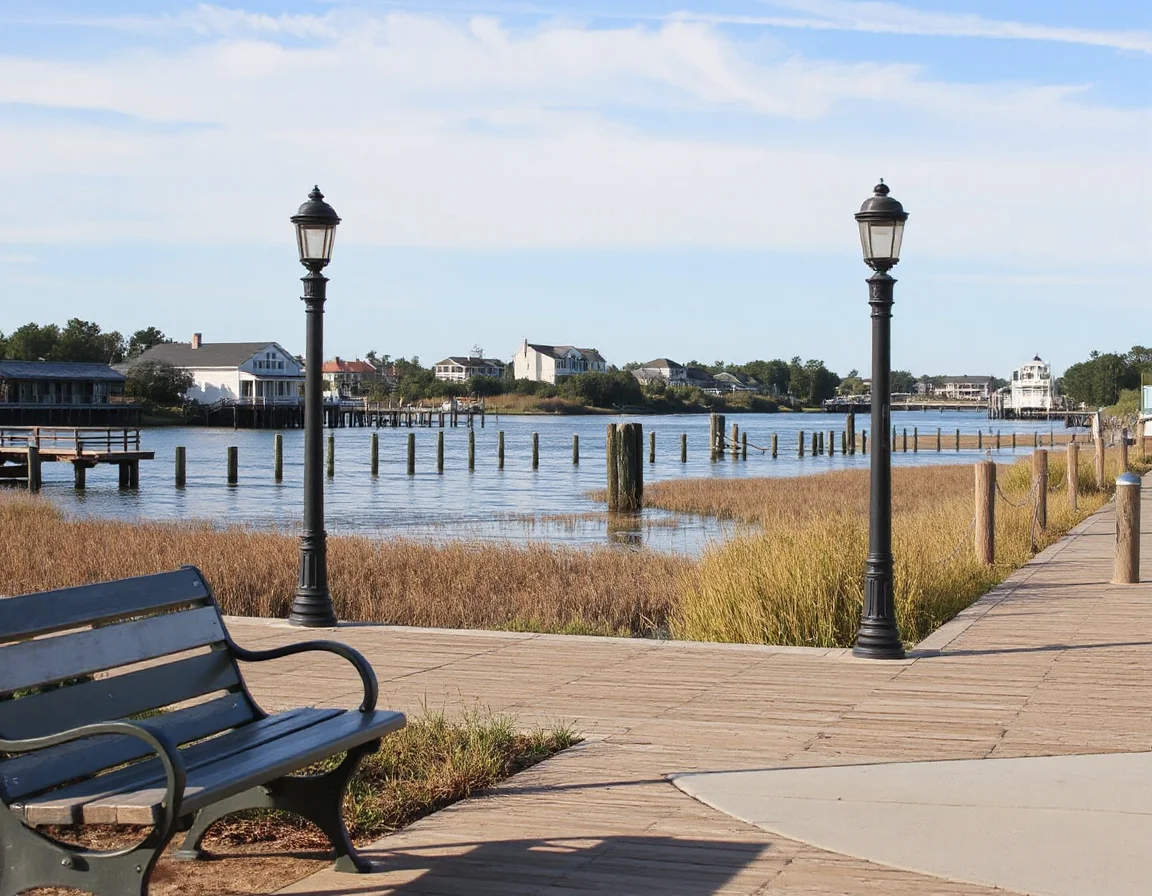
National holiday weekends often bring a heightened sense of occasion, with residents and visitors planning beach time, outdoor meals, and evening viewing opportunities around the Charleston harbor and coastline. Exact public activities, traffic plans, and rules can vary from year to year, especially during busy holiday periods. Rather than relying on a past schedule, it is best to verify current town guidance for beach use, parking, pets, fireworks, and special events.
Summer is also when home features become especially tangible. Covered porches, outdoor showers, screened areas, elevated construction, shaded landscaping, and storage for beach equipment may move from “nice to have” to daily-use amenities. For waterfront and beach-adjacent properties, it is helpful to look beyond the view and ask detailed questions about insurance, elevation, flood history, coastal construction, maintenance, and any applicable municipal or association guidelines.
The island’s dining and gathering spaces often feel busiest during the warmest months, yet the most memorable moments can be simple: an early coffee before the beach fills, a quiet harbor-side sunset, or a breezy evening walk after the heat begins to fade. Those small routines are an essential part of understanding the appeal of a place that balances recreation with a residential coastal setting.
Fall: History, Arts, and a Slower Coastal Pace
Fall frequently brings milder weather and a more relaxed tempo. It is an excellent time to explore Fort Moultrie’s grounds, take a longer beach walk, or look for cultural programming connected to local history and literature. The Edgar Allan Poe Library, named for the writer who was stationed at Fort Moultrie during his military service, gives the island an additional literary landmark and often serves as a valuable source for public programs and local information.
Historic observances and educational events can make the island’s past feel immediate. Sullivan’s Island has played a significant role in the history of Charleston Harbor, coastal defense, and the broader Lowcountry. Visitors interested in historic homes or older architectural styles may find it useful to pair a public event with a careful look at preservation considerations, lot configuration, renovation records, and modern systems that support a coastal residence.
The changing season also creates a useful house-hunting window. Cooler temperatures make it easier to inspect outdoor spaces and to see how a property relates to surrounding vegetation, roads, and water. Evening light arrives earlier, providing another perspective on porch orientation, window exposure, and the feel of a street after daytime beach activity has eased.
A seasonal visit can reveal details that an online search cannot: afternoon sun on a porch, the route to public beach access, and the practical distance between a home and the island’s everyday destinations.
Winter: Community Programs and Quiet Coastal Views
Winter brings a quieter expression of Sullivan’s Island, with cooler beach walks, holiday gatherings, library programming, and a renewed focus on the island’s natural scenery. Seasonal civic events and lighting traditions provide opportunities to gather, while the shoreline offers wide open views without the intensity of peak summer activity. It is a season that highlights the island’s year-round character rather than its vacation image alone.
For prospective buyers, winter can be particularly informative. It offers a chance to observe drainage after rain, prevailing winds, tree cover, traffic patterns, and the relationship between a property and the surrounding coastal environment. It can also be an advantageous time to review listings with a clear eye toward construction quality, flood insurance considerations, renovation needs, and long-term stewardship.
Whether the calendar leads to a historic program at Fort Moultrie, a seasonal gathering, or an unplanned walk near the water, Sullivan’s Island rewards repeat visits. Each season shows a different side of the town, and those changing details can help turn a general interest in coastal real estate into a well-informed decision.