

On Sullivan’s Island, thoughtful staging should make a home’s natural light, breezes, sightlines, and indoor-outdoor connections easy to notice. The goal is not to disguise a property—it is to create a calm, well-proportioned setting that helps buyers understand how each room functions and how the home relates to its coastal setting.
Start by Letting the Light Lead
Coastal light is one of the most compelling features of a Sullivan’s Island home, but it can be easy to mute with heavy window treatments, crowded furniture, or decor that competes with the view. Before arranging a single accent pillow, walk through the property at several times of day. Notice where morning sun enters, which rooms receive softer afternoon light, and where reflections from marsh, ocean, or sky brighten the interior. Those observations should shape the staging plan.
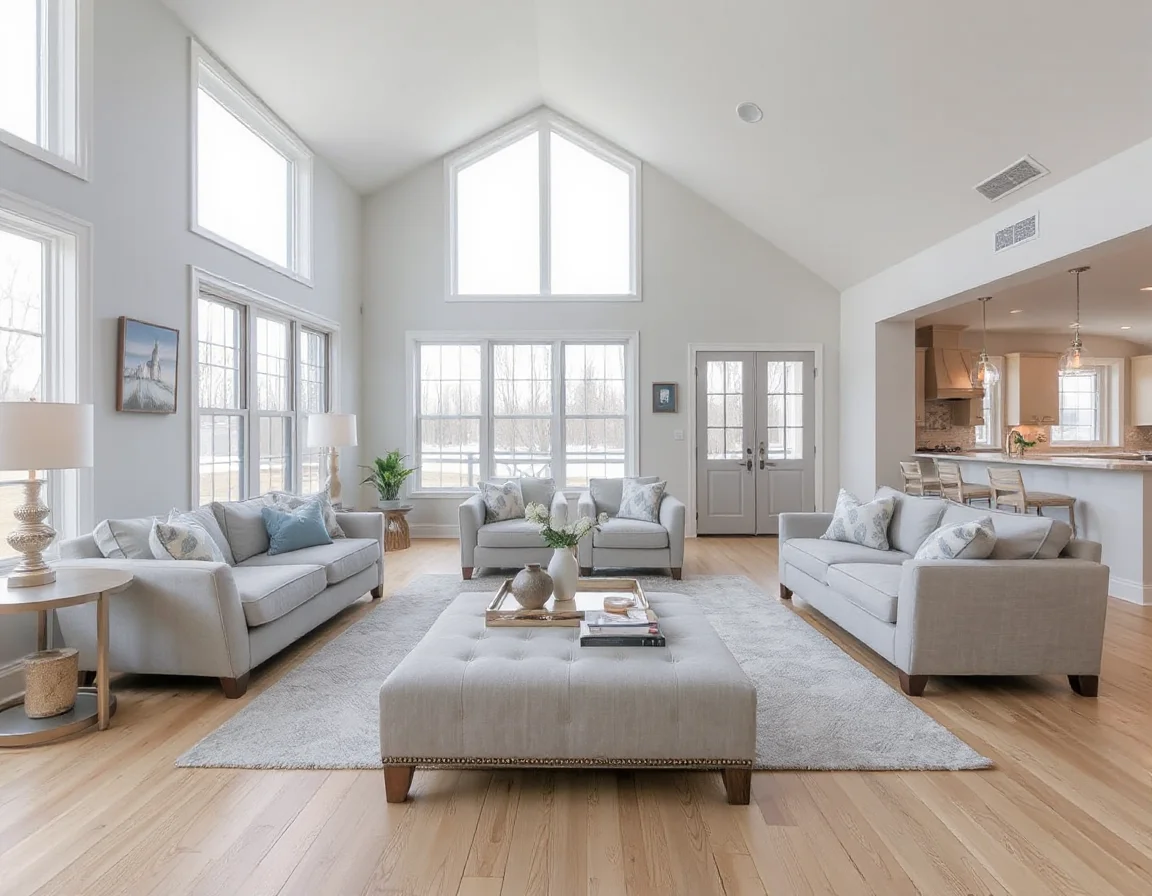
In most rooms, begin by opening blinds, raising shades, and removing dated or overly dense drapery. If privacy is needed, simple woven shades or light-filtering panels can soften the window without closing it off. Clean the glass inside and out, and make sure screens are in good repair; a bright window only works as a focal point when it looks crisp.
Choose a palette that reflects the setting without becoming overly themed. Warm whites, sand tones, pale woods, muted greens, soft charcoal, and restrained blue accents can make rooms feel connected while still allowing architecture and daylight to do the work. A few natural textures—linen, jute, rattan, ceramic, or weathered wood—add depth without filling every surface.
Lighting matters even in a sun-filled house. Replace mismatched bulbs with a consistent warm-white temperature, usually around 2700K to 3000K, and turn on lamps in deeper corners for photography and showings. The goal is an even, welcoming glow rather than harsh overhead illumination.
When preparing for listing photography, schedule the shoot around the rooms with the strongest natural light—not simply the most convenient time of day. A well-timed photo session can make window exposure, water views, and room proportions read more clearly.
Make Every Layout Easy to Read
Buyers often make quick judgments about flow. Staging should answer practical questions at a glance: Where does this room begin and end? Is there a natural place to sit, dine, work, or gather? Can someone move comfortably from the entry to the porch, kitchen, or outdoor living area? Clear answers help a home feel more intuitive during an in-person tour.
Start with editing. Remove furniture that blocks paths, crowds windows, or creates awkward corners. In a living room, a well-sized sofa, a pair of chairs, a coffee table, and one or two small supporting pieces may communicate more than a room full of furniture. Leave enough open floor area for visitors to see the scale and circulation pattern. A clear walkway is especially important in raised beach homes, where stairs, landings, and transitions between levels are part of the experience.
Area rugs can define zones in open layouts, but size is critical. A rug that is too small makes furniture look scattered; one that anchors the front legs of the seating arrangement gives the room a deliberate center. In dining areas, use a table that allows chairs to be pulled out easily, and keep the tabletop simple: a low bowl, a sculptural vessel, or a small arrangement is usually enough.
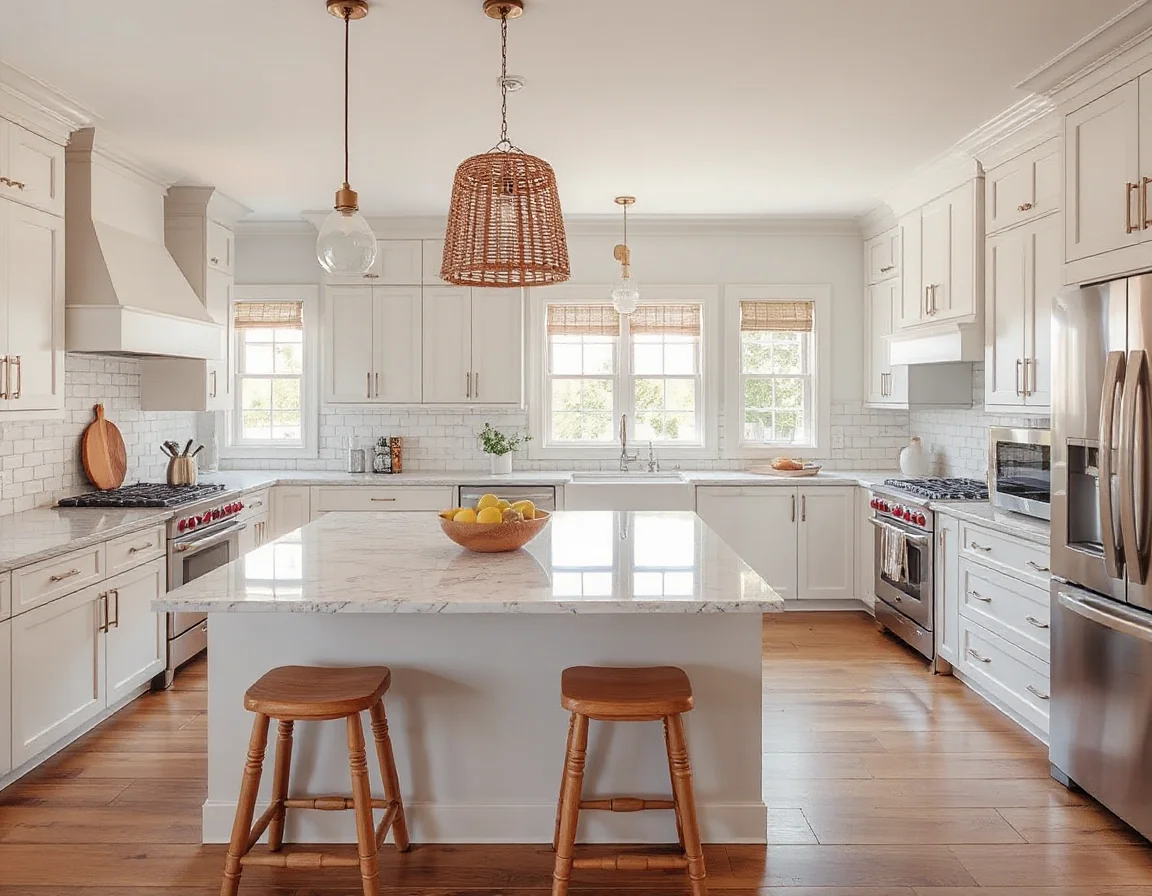
Kitchens deserve particularly disciplined staging because they carry so much visual information. Clear counters of appliances, paper stacks, dish racks, and excess accessories. Leave just a few intentional items—perhaps a wood board, a ceramic bowl with citrus, a cookbook stand, or a small green branch. If the island is substantial, use two or three stools that fit beneath it cleanly so the space reads as both functional and open.
Bedrooms should feel restful and adaptable. Make beds with layered neutral bedding, simplify nightstands, and remove bulky furniture that makes the footprint feel tight. In a smaller bedroom, a modest desk or reading chair can demonstrate flexibility, but avoid assigning a room a highly specific purpose if the layout could serve several uses. The home should show possibilities while allowing visitors to imagine their own routines.
A staging plan is often strongest when it removes 20 to 30 percent of visible belongings before adding anything new. Space around a feature—an entry, a fireplace, a bank of windows, or a door to the porch—helps that feature register immediately.
Create a Cohesive Indoor-Outdoor Story
On an island property, porches, decks, balconies, screened rooms, and shaded ground-level spaces are not afterthoughts. They are part of the home’s usable layout and should be staged with the same attention as interior rooms. Clean outdoor surfaces, refresh cushions, remove weathered clutter, and make sure exterior doors glide easily. A visitor should be able to step outside without encountering a storage zone.
Keep furnishings scaled to the area. A pair of lounge chairs and a small table can establish a porch as a place to pause; a simple dining set can clarify an outdoor eating area; a few coordinated planters can add color near an entrance. Avoid crowding every corner with decor. The surrounding sky, vegetation, breezes, and light already provide visual interest.
For homes with water-facing views, arrange furnishings so the view remains visible from the primary seating position. That does not require placing every chair in a row facing outward. Instead, create a conversational grouping that leaves clean sightlines through the room and toward the windows or porch opening. This approach makes the setting feel integrated rather than treated as a backdrop.
Details at the transition points matter. Replace worn doormats, straighten outdoor lighting, store hoses and maintenance tools, and edit patio containers. If there is an exterior shower, rinse area, storage room, or garage, present it as clean, dry, and purposeful. Buyers notice the practical side of coastal ownership as closely as they notice a beautiful sunset.
Use Coastal Styling With Restraint
A successful Sullivan’s Island staging plan should feel polished but not overproduced. Skip obvious beach motifs, dense collections of shells, artificial nautical signage, and decor that distracts from the home’s material quality. Instead, favor a few tactile elements: a woven basket, a framed abstract with sea-glass tones, a ceramic lamp, or an arrangement of branches. These details support the atmosphere without turning the property into a set.
Pay attention to condition as closely as style. Salt air and humidity can reveal deferred maintenance quickly, especially around hardware, exterior finishes, windows, and furnishings. Before showings, address visible rust, touch up scuffed paint, replace tired caulk where appropriate, and make certain fans, light fixtures, and doors are clean. These updates are not merely cosmetic; they allow the home’s layout and craftsmanship to stay at the center of attention.
For historic or architecturally distinctive homes, preserve the character of original details. A mantel, built-in cabinet, heart-pine floor, beadboard ceiling, or old brick fireplace deserves breathing room. Pair those features with simple furnishings that respect the scale of the house rather than concealing it behind oversized pieces or overly busy color.
Search Sullivan’s Island listings
Prepare for the Showing, Not Just the Photo
Photography creates the first impression, but a showing gives buyers time to notice sound, temperature, movement, and proportion. Before each appointment, open window coverings, switch on key lamps, set thermostats to a comfortable level, and make sure outdoor areas are ready to view. If weather permits, a lightly opened screened porch or a gentle ceiling fan can reinforce the home’s connection to the outdoors without relying on strong fragrance or elaborate staging effects.
Finally, think of staging as a form of visual clarity. The most effective rooms reveal their best assets within a few steps: abundant light, a sensible furniture plan, clean transitions, and a consistent level of care. By editing what is unnecessary and emphasizing what is already special, sellers can present a coastal property with confidence and give buyers a more complete understanding of the home from the first room to the final porch view.