
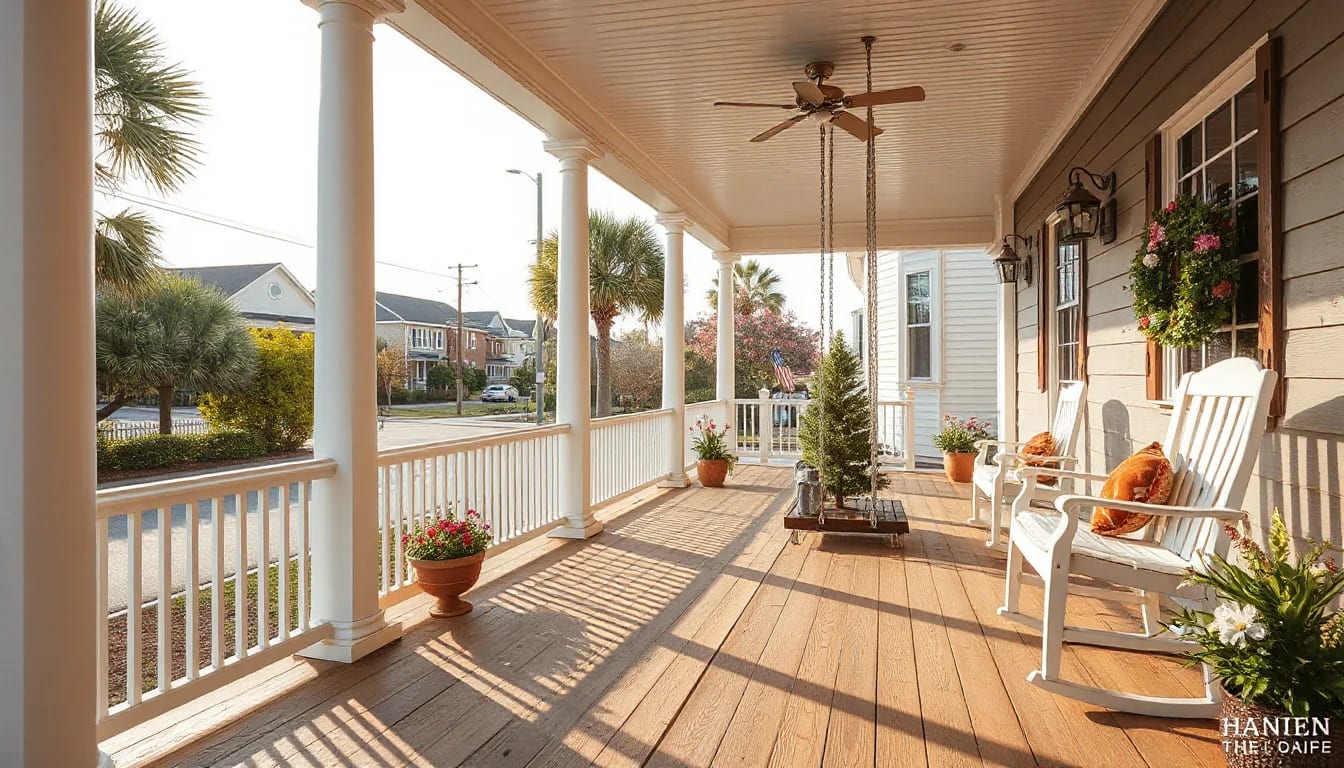
A Sullivan’s Island home inspection should do more than identify a loose handrail or aging appliance. Coastal exposure, flood considerations, drainage, roofing, foundations, and insurance documentation can all affect the cost and confidence behind a purchase. Asking focused questions early helps buyers compare properties with clearer expectations before the due-diligence window becomes tight.
Start With the Coastal Conditions That Shape the Property
Sullivan’s Island offers a distinctive Lowcountry setting: ocean air, marsh views, mature trees, historic streetscapes, and homes built across multiple eras. Those same conditions make a thorough inspection especially important. Salt air, humidity, wind-driven rain, shifting sand, and periodic coastal weather can place different demands on a home than an inland property might face.

Begin by asking the inspector how the home’s exterior materials are performing in a marine environment. On a coastal property, that conversation may include siding, trim, exterior fasteners, deck hardware, railings, windows, doors, HVAC equipment, and any exposed metal components. Surface corrosion is not always a structural issue, but it can signal maintenance needs that deserve a closer look.
Ask whether the inspector sees evidence of moisture intrusion at windows, doors, roof penetrations, balconies, chimneys, or transitions between materials. Water often enters at small gaps long before it becomes visible inside. A careful inspector may use moisture readings, examine attic areas, look beneath elevated structures, and identify locations where sealants, flashing, or drainage details appear near the end of their service life.
It is also worthwhile to ask, “What appears routine for a coastal home, and what needs immediate follow-up?” This distinction helps buyers prioritize. A weathered exterior finish may be a planned maintenance item, while active leaks, deteriorated structural connections, or visible wood damage may warrant specialized evaluation or repair estimates before moving forward.
On a barrier-island property, the most useful inspection report is one that separates normal coastal wear from conditions that could affect structural performance, insurance, or near-term ownership costs.
Roofing deserves its own set of questions. Ask about the apparent age and condition of the roof, flashing, fasteners, vents, gutters, and drainage paths. If the roof is nearing the end of its expected service life, request documentation that clarifies whether the concern is cosmetic, repairable, or likely to require replacement. Buyers should also ask whether visible conditions suggest that a licensed roofing contractor should inspect further.
Ask Direct Questions About Elevation, Drainage, and Water Management
Water management is central to understanding any coastal home. A general home inspection is not the same as a flood-risk assessment, engineering review, survey, or insurance analysis, but an experienced inspector can often point out observable clues that help buyers decide what additional records or specialists to request.
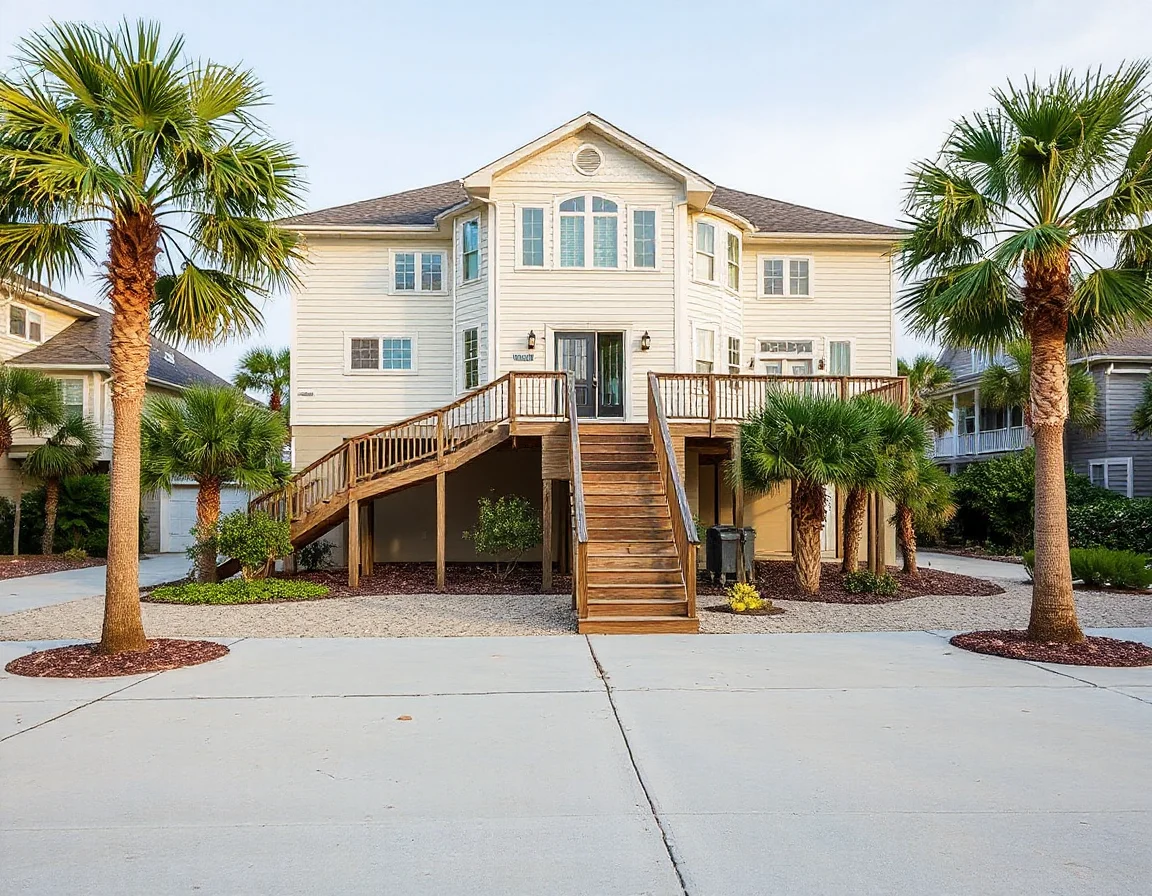
Ask how water appears to move around the lot after rainfall. Are there low areas near the foundation, standing-water patterns, downspouts that discharge too close to the structure, deteriorated grading, or drainage features that need maintenance? On elevated homes, ask the inspector to look at the visible condition of pilings, framing, lattice or enclosure areas, stairs, and connections beneath the main living space.
A useful question is, “Do you see signs of past water entry, moisture accumulation, or repairs below the home?” Discoloration, corroded hardware, damaged insulation, wood deterioration, or sediment patterns may not explain every event, but they can guide follow-up conversations with qualified contractors, insurance professionals, surveyors, or engineers.
Request available elevation certificates, prior flood-insurance documentation, permits for substantial improvements, and records of any storm-related repairs. These documents can help clarify the property’s history and support more informed insurance quotes. Buyers should independently confirm flood-zone information, coverage options, deductibles, and lender requirements rather than relying solely on an inspection report.
Inspection findings, elevation records, and insurance quotes work best as a package: each answers a different question about the property’s condition, risk considerations, and likely carrying costs.
For homes with decks, porches, roof terraces, outdoor showers, or other exterior amenities, ask whether visible connections and surfaces appear properly maintained. Coastal decks and stairs can experience accelerated wear from moisture and salt exposure. Look for questions in the report about railings, ledger connections, flashing, fasteners, loose boards, and any materials that are in regular contact with soil or standing water.
Look Beyond the General Inspection When the Home Calls for It
A general inspector provides a broad visual assessment, but some properties need a deeper team of specialists. Older homes, renovated homes, elevated homes, waterfront-adjacent properties, and homes with complex systems can all benefit from targeted evaluations during the due-diligence period.
Ask the inspector which additional inspections may be appropriate based on visible conditions. Depending on the property, that may include a wood-destroying organism inspection, roof evaluation, HVAC assessment, plumbing scope, electrical review, chimney inspection, structural engineer consultation, or review of a seawall, dock, bulkhead, retaining feature, or other water-facing improvement. If a feature is not readily visible or falls outside the inspector’s license and scope, a recommendation for a specialist is a helpful result—not a cause for alarm.
Buyers should also ask whether renovations appear to have been completed consistently across the home. For example, do newer windows, doors, HVAC systems, roof materials, or electrical upgrades have records, permits, warranties, or transferable service agreements? A polished room can still conceal aging infrastructure, so it is wise to focus on the systems behind walls, beneath floors, above ceilings, and outside the home.
Historic or older properties may include appealing original details along with later updates. Ask which elements appear original, what has been modified, and whether the inspector observes conditions that should be reviewed by a preservation-minded contractor or structural professional. The goal is not to make an older home perform like a newly built one; it is to understand its current condition, maintenance rhythm, and future project list.
Search Sullivan’s Island listings
Use the Inspection Period to Build a Practical Ownership Plan
The strongest inspection strategy is organized before the appointment begins. Review the seller disclosures, prior repair receipts, permits, survey, elevation documentation, insurance history when available, and any reports supplied with the listing. Bring a written question list, attend the inspection if possible, and ask the inspector to distinguish between urgent safety concerns, functional repairs, maintenance items, and observations worth monitoring over time.
After the inspection, avoid treating the report as a simple pass-or-fail scorecard. Nearly every home has findings. Instead, group the results into four categories: issues requiring immediate attention, conditions needing specialist opinions, projects to budget for in the first year, and ordinary seasonal maintenance. This approach turns a lengthy report into a decision-making tool.
When comparing Sullivan’s Island properties, buyers may find that one home has newer systems while another offers a different layout, location, lot configuration, or architectural character. The inspection helps place those tradeoffs in context. A home with a near-term roof project may still be compelling if the purchase terms, repair estimates, insurance costs, and long-term plans align with the buyer’s goals.
Thoughtful due diligence is especially valuable in a coastal market where details matter. By asking clear questions early—and bringing in qualified specialists when needed—buyers can move from a first impression to a better understanding of how the property works, what it may need next, and how to plan with confidence.
Explore insurance resources for Charleston-area property owners