

Sullivan’s Island offers a compact coastal setting where beach access, park time, dining plans, and everyday logistics all depend on knowing the rhythm of the island. This guide breaks down where to spend time outdoors, how to approach meals and errands, and which practical details are worth checking before you head out. A little planning can make an ordinary day on the island feel remarkably easy.
Start With the Island’s Everyday Geography
Sullivan’s Island is small enough that the day often unfolds at a human scale: a walk to the beach, a stop along Middle Street, a drive toward Mount Pleasant for a larger errand, and a return before the afternoon light settles over the marsh. That compact footprint is part of its appeal, but it also means that parking, access points, business hours, and seasonal traffic can shape the experience more than they might in a larger community.
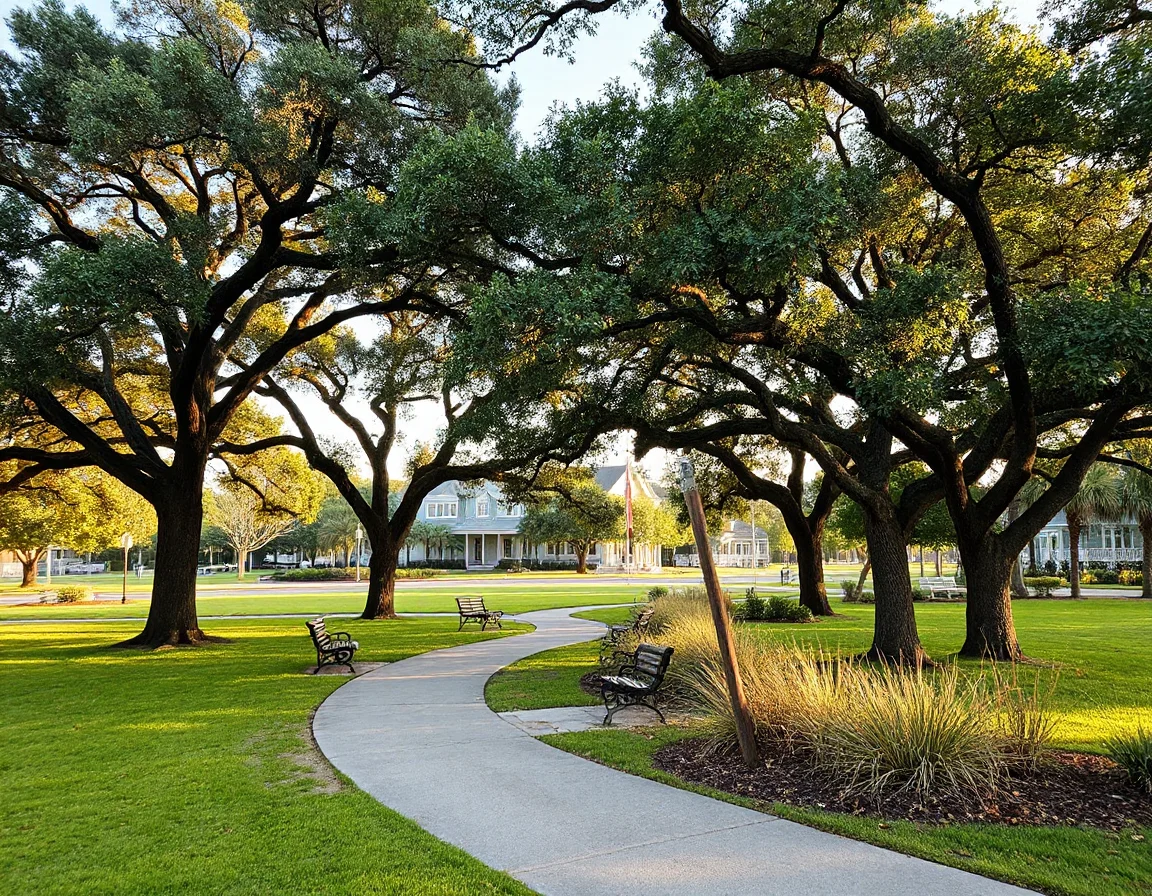
The best first step is to think of the island in a few practical zones. Middle Street functions as the primary corridor for local dining and small-scale services. The beach access points create a series of starting places for shoreline walks, while the eastern and western ends offer different views, parking patterns, and connections to surrounding waterways. Local streets can be narrow, and conditions may change during busy weekends, special events, or beach season, so checking posted rules before leaving home is always worthwhile.
For anyone considering a move or evaluating a property, this daily geography matters. The distance between a home, a beach access point, a public green space, and the bridge route to Mount Pleasant can affect how the property works in real life. It is useful to visit at more than one time of day, note traffic flow, and test the route for the errands that matter most to you.
On a barrier island, convenience is often measured in minutes rather than miles. A quick drive can feel different depending on bridge traffic, weather, seasonal parking demand, and the time you choose to travel.
Sullivan’s Island also rewards an unhurried approach. Instead of trying to fit every stop into one outing, many residents and visitors build a simple rhythm around the island: outdoor time early or late in the day, local meals during open hours, and off-island errands grouped into one planned trip. That approach leaves more room to enjoy the setting rather than treating the island like a checklist.
Parks, Beach Access, and Outdoor Time
The shoreline is the island’s most visible outdoor feature, but it is not the only place to spend time outside. Public spaces, shaded streets, and waterfront viewpoints add variety to the day, especially when the beach is breezy or the tide is high. Depending on the location, visitors may find opportunities for walking, birdwatching, fishing, or simply pausing to take in views of the ocean, Charleston Harbor, or nearby marshland.
Beach access is best approached with a little preparation. Confirm where public access points are located, observe posted parking guidance, and pay attention to local rules regarding pets, fires, dune protection, and other beach use. The dunes are a critical part of the island’s coastal landscape, so using designated paths helps preserve vegetation and reduces erosion. Bringing water, sun protection, and a bag for personal belongings can make even a short beach visit more comfortable.
Fort Moultrie and the surrounding historic landscape provide another reason to explore the island at a slower pace. The site connects visitors to centuries of coastal defense history and offers open views that are distinct from a typical beach walk. It is also a reminder that Sullivan’s Island is layered: residential streets, maritime scenery, historic sites, and public recreation all share a relatively limited stretch of land.

If outdoor recreation is part of your regular routine, timing can make a noticeable difference. Early mornings and later afternoons often provide cooler temperatures and gentler light, while midday can be better suited to a brief walk or an indoor meal. Coastal weather changes quickly, so checking the forecast, tides, and wind conditions before heading out is especially useful for anyone planning fishing, paddling nearby waters, or a longer beach visit.
The island’s public spaces are not designed as one large park system; instead, they are woven into the coastal environment. That makes exploration feel more personal. A shaded block, a bench near the water, a beach crossover, or a historic overlook can become a regular pause point in a weekly routine.
Explore Sullivan’s Island real estate
Dining Plans: Keep Them Flexible
Dining on Sullivan’s Island is closely tied to the island’s compact commercial area and the operating schedules of local establishments. The selection is part of the charm, with options that range from casual daytime stops to destination meals, but availability can vary by season, day of the week, and time of day. Checking current hours and reservations before heading out is a smart habit, particularly for weekends and holidays.
A successful island meal plan usually starts with flexibility. If you have a specific place in mind, reserve ahead when reservations are offered. If you are exploring without a set destination, allow time for a walk along Middle Street or consider dining outside peak hours. Takeout can also be useful for a beach-adjacent picnic, a quiet evening at home, or a simple meal after a day outdoors.
For grocery shopping and broad household supply runs, Mount Pleasant is often the more practical destination. Sullivan’s Island has a small-scale, local feel rather than a large retail footprint, so many people combine grocery, pharmacy, hardware, and specialty purchases with other off-island appointments. Keeping a running list and planning one consolidated errand trip can save time and reduce unnecessary bridge crossings.
It is also worth thinking beyond groceries. Deliveries, home maintenance appointments, service providers, and package timing may require a bit more coordination on a barrier island. Before scheduling, confirm address access, parking needs, gate or entry details if applicable, and whether weather could affect the appointment. These are routine details, but handling them early can make ownership or relocation feel much smoother.
A Practical Errand Strategy for Island Living
A dependable routine can be as simple as dividing tasks into three categories: island-only activities, off-island essentials, and items that can wait. Beach walks, local dining, outdoor time, and short neighborhood trips belong naturally on the island. Larger shopping runs, many medical or professional appointments, and a wider range of household services are often easiest to coordinate in Mount Pleasant or Charleston.
Before purchasing a home, consider making an “ordinary Tuesday” visit rather than relying only on a weekend tour. Drive the route to a preferred grocery store, test your likely commute at a realistic hour, locate nearby fuel and pharmacy options, and spend time near the property after sunset. This gives you a grounded sense of the logistics while preserving space to enjoy what makes the island distinctive: ocean air, mature trees, historic surroundings, and access to Charleston’s broader amenities.
The most useful island tour is not just a property showing. It includes a beach access point, a meal stop, a bridge crossing, and one everyday errand route at the time of day you would actually use it.
For buyers, the home itself should be considered alongside the systems that support coastal ownership. Ask about flood insurance, elevation, drainage, exterior materials, maintenance planning, storm preparation, and any applicable local regulations. Waterfront and historic properties can offer exceptional character, but they also benefit from careful due diligence tailored to their location and construction.
Search Sullivan’s Island listings
Make Room for the Island’s Rhythm
The most rewarding way to navigate Sullivan’s Island is to balance planning with openness. Know where you will park, check the weather, confirm dining hours, and group larger errands efficiently. Then leave room for the moments that cannot be scheduled: a quiet walk under live oaks, a changing tide, a historic view, or an extra few minutes by the water.
That blend of practical preparation and coastal spontaneity is central to daily life here. Whether you are visiting for the day, researching a future home, or getting acquainted with a new address, understanding the island’s parks, dining options, and errand patterns helps turn a beautiful location into a place that is easier to enjoy with confidence.