
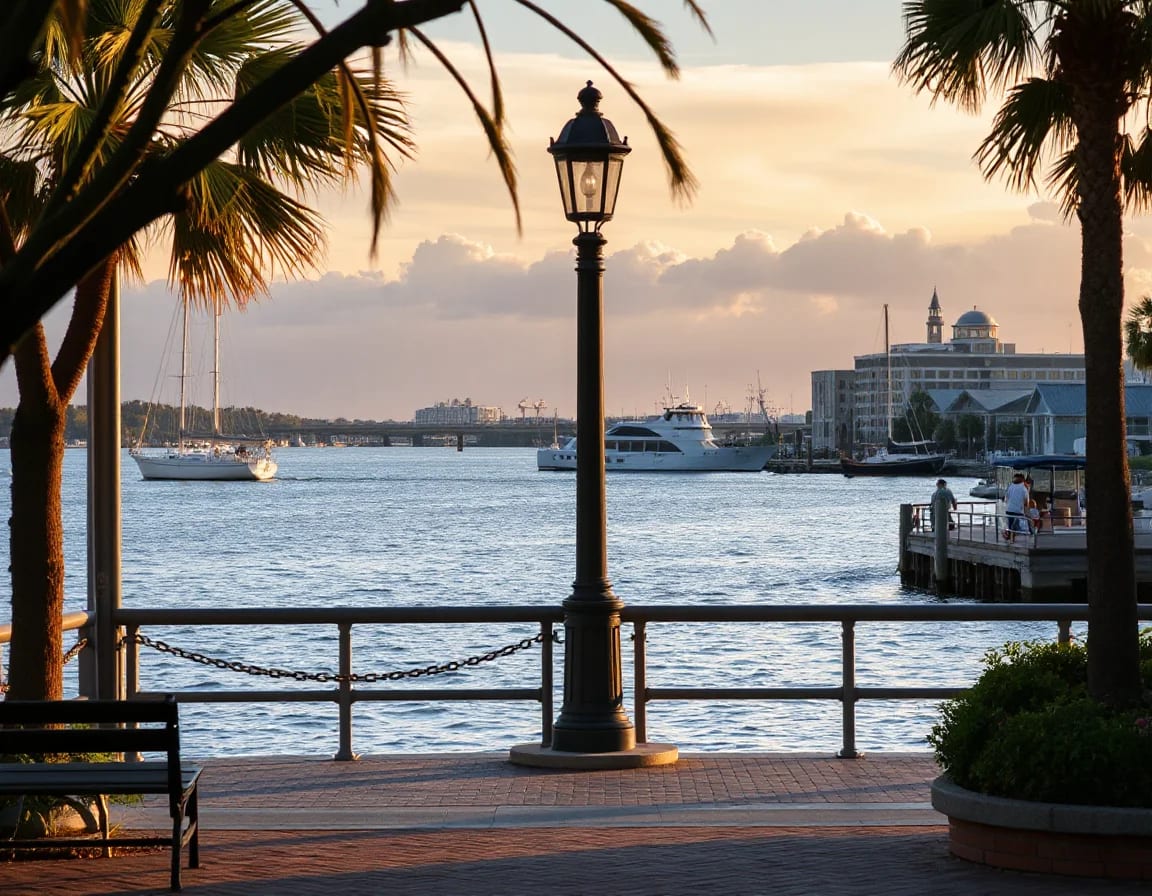
Sullivan’s Island has a coastal rhythm shaped by shoreline stewardship, historic programs, athletic gatherings, and seasonal traditions. Whether you are planning a visit, considering a move, or simply following the island’s local calendar, the most memorable events are often those that connect the beach, Fort Moultrie, and the surrounding Lowcountry waterways. Dates and details can shift with weather, permits, and conservation needs, so checking current municipal and organizer announcements is always worthwhile.
A Coastal Calendar Built Around the Island
On Sullivan’s Island, the calendar is closely tied to the landscape. The Atlantic shoreline, maritime forest, tidal waters, and historic Fort Moultrie create a setting where events are often less about large-scale spectacle and more about shared local experiences. A morning run along the beach, a conservation program near the dunes, or a history presentation overlooking Charleston Harbor can become a memorable part of the year.
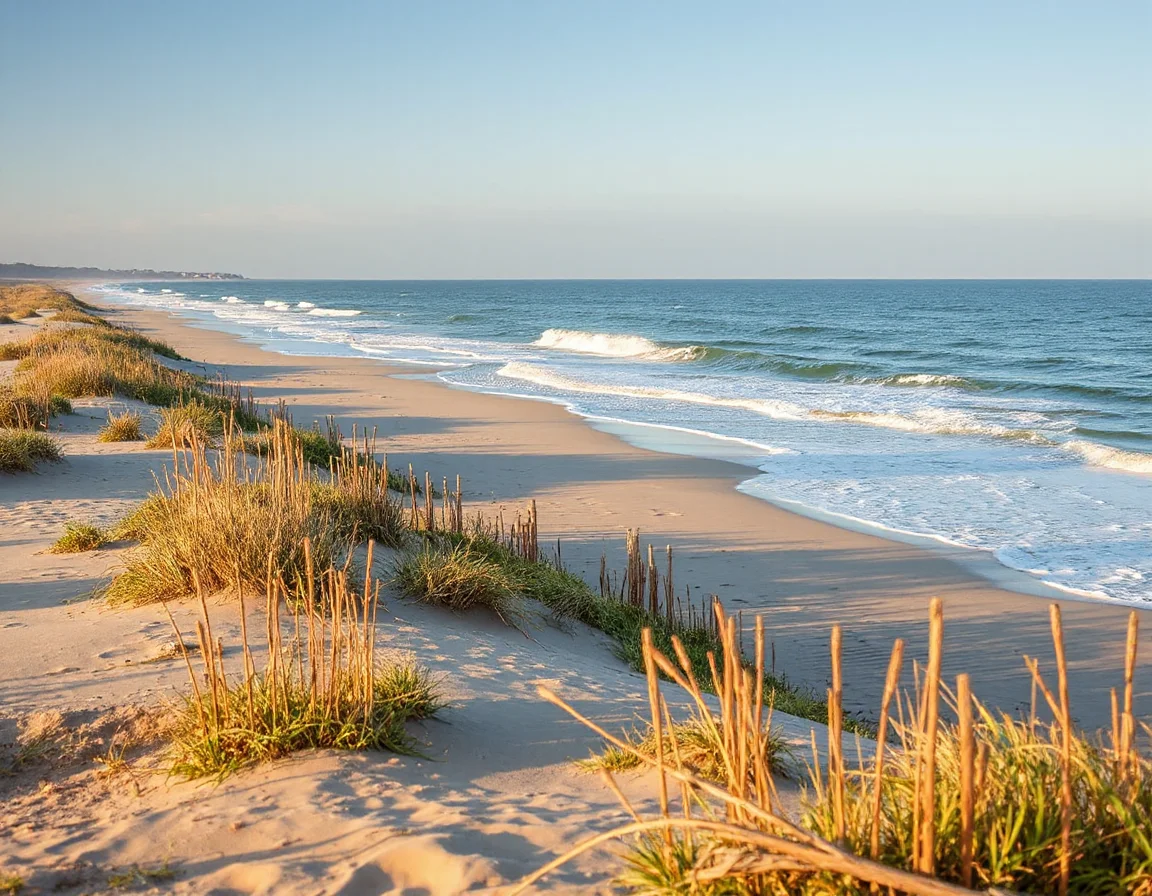
Seasonal awareness matters here. Beach conditions, turtle nesting activity, tides, and severe-weather forecasts can influence how gatherings are planned. That connection gives the island’s event calendar a distinctly coastal character: spring brings outdoor stewardship and recreation, summer highlights waterfront traditions, autumn offers comfortable conditions for walks and history programs, and winter provides a quieter backdrop for runs, tours, and community gatherings.
For residents and visitors alike, the best approach is to treat the calendar as an invitation to explore at a relaxed pace. Parking, beach access rules, pet regulations, and event logistics can vary, particularly during busy weekends. Arriving early, reviewing current town guidance, and respecting protected dune areas helps keep the experience enjoyable while supporting the natural resources that make the island distinctive.
Many island events are shaped by weather and conservation schedules, so confirm the latest time, access information, and parking guidance before heading out.
Spring: Stewardship, History, and Outdoor Miles
Spring is often when the island’s outdoor calendar begins to feel especially active. Cooler coastal temperatures make it a practical time for organized runs, walking events, volunteer cleanups, and educational programs. Beach and marsh cleanups are a visible reminder that the shoreline is both a recreational destination and a dynamic natural environment requiring year-round care.
Historic programming also has a natural home in this season. Fort Moultrie, part of the National Park Service’s Fort Sumter and Fort Moultrie National Historical Park, provides a powerful setting for interpretive talks and commemorative observances. The site’s layered history reaches from the Revolutionary War through later coastal-defense eras, giving attendees a chance to connect local scenery with nationally significant events.
Spring’s clear light and mild breezes also make it a good time to explore the island beyond the programmed event itself. A walk near the fort, views toward Charleston Harbor, and the changing textures of the marsh can turn a short outing into a fuller coastal afternoon. When browsing homes nearby, those everyday surroundings are worth considering alongside square footage, elevation, flood insurance, maintenance needs, and access to services.
Search Sullivan’s Island listings
Summer Traditions Along the Water
Summer on Sullivan’s Island centers on the beach, long daylight hours, and the energy of the Charleston-area holiday calendar. Independence Day programming across the region often draws attention to the waterfront, with harbor views and nearby celebrations creating a festive backdrop. Because crowd levels and traffic can increase around major holidays, local planning makes a meaningful difference: know where you may park, allow extra travel time, and follow posted beach-access rules.
Sea turtle nesting season is another defining part of the summer calendar. Volunteers and conservation partners work to monitor nests and support responsible shoreline use. Visitors can contribute simply by filling in holes, removing belongings from the beach at day’s end, keeping lights low near the dunes when appropriate, and giving wildlife space. These small choices help preserve the conditions that support nesting activity along the coast.
The island’s summer rhythm also encourages simple outdoor recreation. Early-morning beach walks, cycling on permitted routes, paddling in suitable nearby waters, and time spent observing the tide all offer ways to experience the setting without needing a ticketed event. The main attraction is often the place itself: salt air, changing skies, and a shoreline that looks different with every tide cycle.
For property owners, summer also offers a practical reminder of coastal ownership responsibilities. Exterior materials, landscaping, drainage, storm preparation, insurance documentation, and maintenance schedules deserve regular attention. Waterfront and near-waterfront properties can provide remarkable views and access to the coast, but they also require careful due diligence and an informed ownership plan.
Autumn Programs and the Appeal of Shoulder Season
As temperatures moderate, the island often feels well suited to outdoor races, historical tours, volunteer days, and arts-oriented gatherings in the wider Charleston area. Autumn brings a different visual palette: warm afternoon light, sea oats moving in the breeze, and less humid conditions for exploring Fort Moultrie and the beach. It is a season that rewards unhurried time outdoors.
History remains a central thread. Educational programs connected to military history, preservation, and the harbor’s role in the development of Charleston can add context to a visit. Rather than viewing the island only as a beach destination, these programs reveal how its geography made it strategically important for centuries. The result is a more complete understanding of the landscape—from the battery walls and harbor channels to the residential streets and maritime vegetation.
Autumn is also useful for people considering a real estate purchase. Touring at a time when summer’s peak activity has eased can make it easier to focus on a home’s systems, natural light, outdoor areas, storage, and condition. Buyers can also ask informed questions about rental restrictions, flood zones, wind coverage, renovation history, and local permitting. A well-considered search is especially important in a limited coastal market where each property may offer a very different combination of location, architecture, and water proximity.
When comparing coastal homes, look beyond the view: elevation certificates, insurance options, construction details, and maintenance history can be just as important as the setting.
Winter’s Quieter Pace and Year-Round Perspective
Winter brings a more understated coastal atmosphere. While the island still hosts periodic runs, public programs, and community activities, the season’s appeal often lies in its open beaches and crisp harbor views. It can be an excellent time to visit Fort Moultrie, walk the shoreline, and notice details that are easy to miss during busier months—the sound of seabirds, the geometry of the dunes, and the low-angle light over the water.
The quieter season does not mean the calendar stops. Instead, it emphasizes smaller-scale experiences and the enduring value of public spaces. Conservation work continues, historic sites remain important gathering points, and local businesses and organizations across the Charleston area continue to offer programs that connect people with the coast. Checking official schedules before making plans remains the best way to find current offerings.
For anyone exploring Sullivan’s Island real estate, the year-round calendar provides useful context. Events demonstrate how the island’s beach, historic resources, and harbor setting function as shared amenities, while quieter months reveal the day-to-day pace between seasonal peaks. From classic coastal cottages and renovated historic homes to elevated residences designed for modern waterfront living, each property is part of a setting shaped by both nature and history.
Explore Sullivan’s Island real estate
Make the Most of the Island’s Signature Moments
The events that shape Sullivan’s Island are not always the loudest or largest. Often, they are a shoreline cleanup after a changing season, a race beginning in cool morning air, an interpretive program at Fort Moultrie, or an evening spent watching light settle over Charleston Harbor. Together, those moments tell the story of an island where coastal recreation, preservation, and history meet.
Whether your interest is local events, waterfront living, or a better understanding of the Charleston coast, leave room for the unexpected details. Check the current calendar, respect the beach and historic sites, and take time to experience the island beyond any single occasion. That is where Sullivan’s Island makes its strongest impression.