

Pricing a Sullivan’s Island home is not a matter of choosing a number from a nearby sale. Coastal setting, property condition, elevation, views, access, and current buyer activity can all shape the value conversation. A focused pricing strategy helps position a property with clarity from the first day it reaches the market.
Why Coastal Pricing Requires a Different Lens
Sullivan’s Island real estate is defined by a limited land supply, a distinctive coastal setting, and a mix of architectural styles that can vary considerably from one block to the next. Two homes with similar square footage may have very different market positions because of their orientation, outdoor spaces, updates, lot configuration, proximity to beach access points, or water and marsh views. That makes a broad median price useful for context, but insufficient for setting an individual list price.
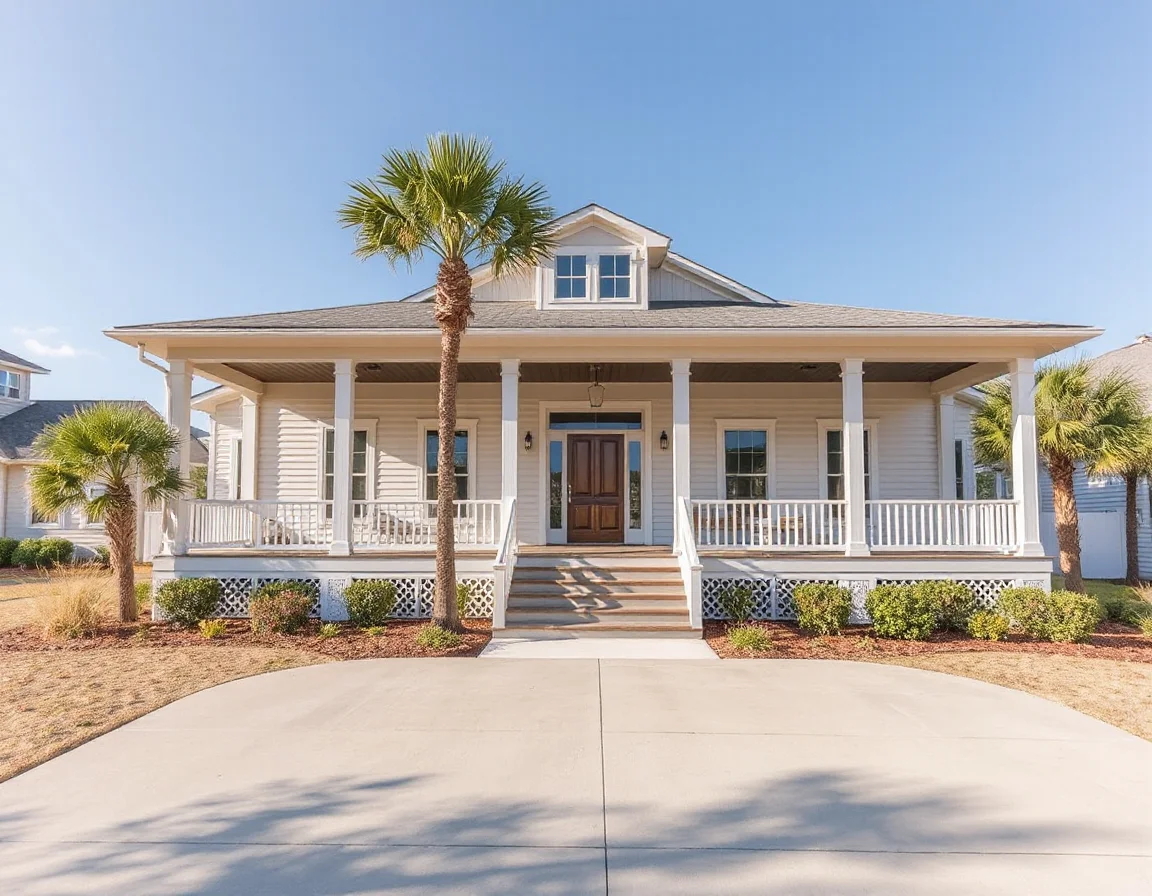
A strong valuation starts with the property itself. The age and quality of renovations, roof and mechanical systems, window protection, outdoor living areas, pool features, parking, storage, and the usability of lower-level space all deserve careful review. In a coastal market, details that may seem secondary elsewhere can become major points of comparison when buyers are evaluating the upkeep and long-term ownership profile of a home.
Then comes the location within the island. A property near the ocean, a marsh edge, a quiet residential street, or a public beach path may attract interest for different reasons. The goal is not to assign a blanket premium to a ZIP code or a neighborhood label; it is to identify the specific attributes buyers can see, experience, and compare during a showing. The most persuasive price is supported by evidence that is both current and relevant.
On Sullivan’s Island, the best comparable sale is often the one with the closest mix of site, condition, elevation, and outdoor amenities—not simply the one nearest on a map.
Charleston Realty approaches pricing as a positioning exercise as well as a valuation exercise. For luxury, waterfront, historic, and architecturally distinctive homes, the available buyer pool may be highly attentive to presentation and property-specific details. A well-supported strategy gives prospective buyers a coherent explanation for the asking price while giving the seller a practical plan for navigating feedback once the home is live.
Build the Comparable Set Carefully
Recent closed sales are the foundation of a home pricing analysis, but they should be filtered with discipline. Start with sales that share the most meaningful traits: property type, lot scale, bedroom and bathroom count, finished space, construction era, renovation level, and location characteristics. Active listings matter too, because they show the alternatives buyers can tour right now. Pending sales, when available, can also reveal where current demand may be concentrating.
Not every difference can be reduced to a simple dollar adjustment. A complete renovation completed with quality coastal materials may put a home in a different competitive group from a residence that needs substantial work. Similarly, an ocean view, a dock-related feature where applicable, or a thoughtfully designed pool and patio can affect how a buyer experiences the property. The evaluation should explain those differences in plain language instead of relying on a spreadsheet alone.
- Closed sales show what buyers have recently paid for comparable properties.
- Active listings show the choices competing for today’s buyer attention.
- Expired or withdrawn listings can identify pricing or presentation approaches that did not gain traction.
- Days on market and price changes add context to the headline sale price.
- Property-specific features clarify why one sale may deserve more weight than another.
It is also important to account for timing. A sale from an earlier season may have occurred under different inventory levels, interest-rate conditions, or buyer expectations. That does not make it irrelevant, but it may require a broader look at the current market. Pricing is strongest when it combines recent history with a clear-eyed view of the homes that are available today.
Coastal Condition and Documentation Matter
Buyers considering an island property commonly look beyond finishes and room count. They may ask about flood insurance, elevation documentation, maintenance history, roof age, wind mitigation features, drainage, exterior materials, and systems that support the home through coastal weather. Preparing these details before listing can help reduce uncertainty and keep attention on the home’s strongest features.

For a seller, this preparation can be as valuable as a cosmetic refresh. Organize warranties, improvement records, surveys, flood-related information, permits when available, utility details, and service documentation. A buyer does not need every question answered before the first tour, but a well-prepared property gives the listing team the ability to respond efficiently as interest develops.
Condition also affects pricing range. A residence with a polished, move-in-ready presentation may justify a different launch strategy than a home where buyers will need to plan repairs or modernization. Neither path is inherently better; the key is to price according to what the market is likely to recognize after touring the property. Overlooking condition can lead to a list price that looks supported online but feels misaligned in person.
Before photography begins, assemble improvement records and coastal-property documents. Clear answers can strengthen buyer confidence during the earliest, most important days on market.
Thoughtful preparation should extend to visual marketing. Exterior photography should show the architecture, landscape, porches, pool areas, and views at their best. Interior images should convey scale, light, flow, and meaningful upgrades. For homes with waterfront or marsh-facing settings, the marketing plan should illustrate the site without overstating it. Accurate presentation attracts more qualified interest than broad claims ever can.
Launching at the Right Price
The first weeks on market create an important information window. New listings receive attention from buyers who have been monitoring inventory as well as from people entering the search process. If the price is well aligned with current alternatives, the home has a better opportunity to generate tours, useful feedback, and potential competition. If it is positioned too far above comparable options, buyers may wait rather than engage.
A pricing plan should include a review schedule before the listing goes live. Decide which signals will matter: showing volume, online activity, agent comments, comparable properties that come to market, and any changes in financing conditions. This keeps the seller from reacting to one isolated opinion while making it easier to recognize a consistent market message.
Price adjustments, when needed, work best when they are intentional rather than incremental. A meaningful repositioning can bring a listing back into the set of homes buyers are actively considering. The right decision depends on the competitive landscape, the property’s response, and the seller’s goals—not on a fixed formula.
For Sullivan’s Island sellers, a valuation should feel more like a property briefing than a generic estimate. With careful comparable selection, candid condition analysis, complete documentation, and polished presentation, the list price becomes a clear market strategy. Charleston Realty and Jayson Wingfield bring a concierge-minded approach to that process, helping sellers frame what makes their coastal property distinctive while staying grounded in the conditions buyers are seeing now.