

Living on Sullivan’s Island means planning daily routines around a distinctive coastal setting: two bridge approaches, public beach access points, changing seasonal traffic, and a compact collection of nearby services. This guide breaks down how to evaluate drive times, parking, beach entry points, errands, and property features so you can compare homes with a practical understanding of island life.
Start With the Routes, Not Just the Map
Sullivan’s Island sits at the mouth of Charleston Harbor, connected to Mount Pleasant by the Ben Sawyer Bridge and the Isle of Palms Connector corridor. A map may make every destination look close, but an informed home search considers the route, time of day, weather conditions, bridge openings, and seasonal visitor activity. For many residents, the character of the daily drive is part of the decision just as much as bedroom count, lot size, or whether a home has water views.
For trips toward Mount Pleasant, the Ben Sawyer Bridge provides the direct connection to the mainland. From there, Coleman Boulevard leads toward Shem Creek, Old Village, shopping corridors, health-care providers, and other everyday destinations. Travelers heading toward downtown Charleston often continue through Mount Pleasant and across the Ravenel Bridge. Travel time can vary substantially, so it is wise to test a route during the hours that matter most to your own schedule rather than relying on a single off-peak estimate.
Bridge openings are another practical consideration. The Ben Sawyer Bridge is a swing bridge, and marine traffic can periodically pause vehicle movement. It is not an everyday disruption for every trip, but it is a real factor worth understanding when evaluating a property’s location on the island. Checking local traffic tools before appointments, flights, or time-sensitive commitments can make routines more predictable.
Those working remotely or splitting time between home and an office may also want to review internet availability, cellular reception, workspace layout, and backup-power options with the same care given to commute routes. A porch, study, or upstairs room with natural light can be appealing, but the practical details—service providers, outlet placement, signal strength, and room separation—help determine whether the space works day after day.
A showing route is most useful when it includes a real-life test: drive from the property to a regular destination at a comparable time and note bridge traffic, parking, and the return trip.
Understanding Beach Access and Parking
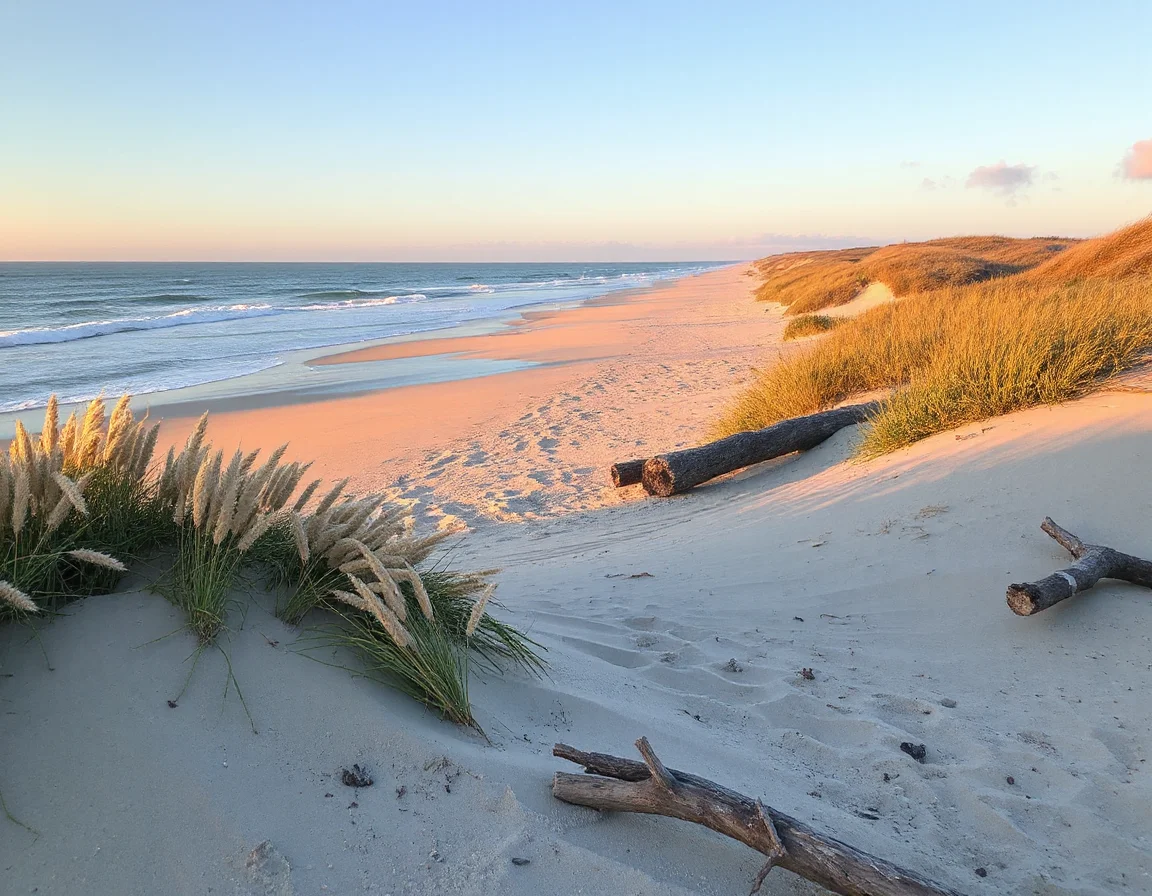
The island’s public beach access points are one of its defining amenities, but access can differ from one end of Sullivan’s Island to another. Some properties are positioned near beach paths, while others may require a longer walk, bicycle ride, or short drive. Before making an offer, confirm the closest public access point, the walking route, available parking, local regulations, and whether any dunes, drainage areas, or roadway conditions affect the path.
Beach parking deserves its own line item in a property comparison. Availability, permit rules, posted restrictions, and seasonal demand can vary by location. If beach time is a regular part of your plans, look beyond the phrase “near the beach.” Ask whether you can comfortably carry chairs, a cooler, or paddleboards from the home; whether golf carts are permitted and properly equipped for local use; and where guests could park within applicable rules.
Coastal living also comes with stewardship. Dunes are important protective landscapes, and marked paths help preserve vegetation and reduce erosion. A home near the shore may offer salt air, ocean sound, and a shorter route to the water, while also requiring attention to exterior maintenance. Materials, roof age, window protection, drainage, elevation, and landscaping should all be reviewed with qualified professionals during due diligence.
The best beach-access setup is personal. Some buyers want the simplest possible route from a porch to the sand. Others prioritize a larger parcel, a marsh outlook, a quieter interior street, or a home with a pool and outdoor gathering space. Comparing access, parking, and maintenance obligations side by side keeps the decision grounded in how the property will actually be used.
Everyday Errands Beyond the Island
Sullivan’s Island has a compact commercial area centered around its village streets, with places to pick up a meal, enjoy outdoor seating, or meet friends and neighbors. The island’s scale is a major part of its appeal, but it also means many routine errands are handled in nearby Mount Pleasant or elsewhere in the Charleston area. Grocery stores, pharmacies, larger retail centers, medical offices, fitness options, and specialty services are generally reached by car.

A useful house-hunting exercise is to make an “ordinary Tuesday” list. Include the grocery run, coffee stop, pharmacy pickup, gym, dog walk, package delivery, and route to the airport or downtown Charleston. Then consider where those tasks fit into the home’s location. This approach can reveal meaningful differences between an ocean-side address, a property near the bridge, and a residence closer to the island’s central streets.
Outdoor recreation is woven into the local landscape. Beach walks, cycling, paddling in nearby waterways, fishing, boating, and birdwatching are all part of the broader coastal Charleston experience. Fort Moultrie and the surrounding National Park Service grounds provide a historic landmark and open-space setting, while nearby Mount Pleasant offers additional parks, marina activity, and trail connections. Always verify current public access, operating hours, and regulations before planning an outing.
The island’s restaurants and gathering places can be particularly active during warmer months and holidays. That energy is part of the area’s rhythm, yet it can affect parking and travel times. Buyers comparing properties should visit on more than one day, ideally including both a weekday and a weekend, to observe traffic patterns and activity at the times they expect to be home.
On a barrier island, a home’s convenience is often measured in small details: where deliveries arrive, how easily beach gear is stored, and how the bridge route fits the day’s schedule.
Search Sullivan’s Island listings
Property Features That Support Coastal Routines
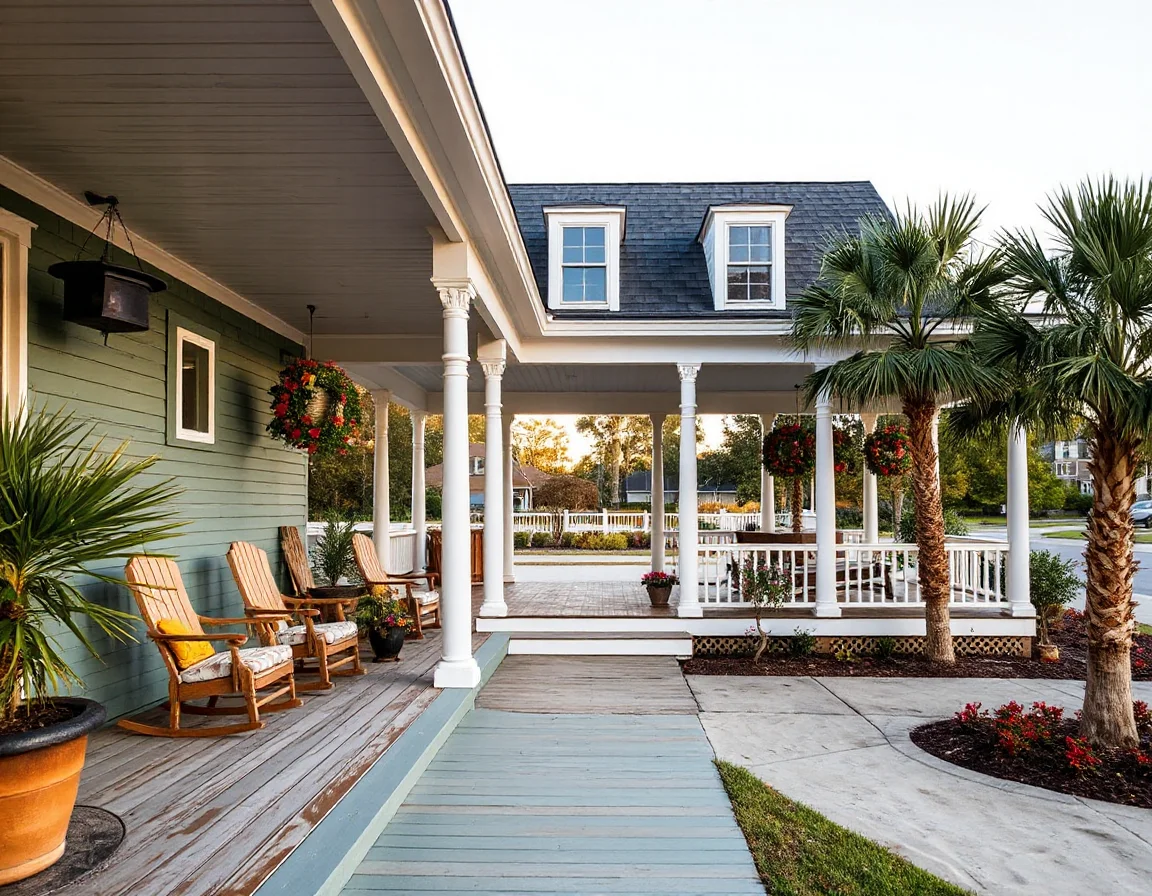
When touring homes, pay attention to the features that make coastal routines easier. Elevated construction can provide covered parking and storage below the main living area, though buyers should confirm permitted use, elevation documentation, and insurance considerations. Outdoor showers, rinse stations, enclosed gear storage, durable decking, screened porches, and ground-level utility areas can all be valuable after a day near the water.
Inside, a well-planned entry can keep sand and wet gear from traveling through the house. Mudroom-style storage, resilient flooring, laundry placement, and ample closets may matter more than decorative features alone. For homes with waterfront or marsh exposure, examine window orientation, outdoor lighting, landscaping, and views at different times of day. Salt, wind, humidity, and sun are ongoing conditions that influence maintenance planning.
Flood zones, insurance, setbacks, historic review requirements, and short-term rental rules are property-specific subjects that should be verified through current official sources and appropriate professionals. A thorough due-diligence period may include insurance quotes, surveys, elevation certificates, building permits, flood-history research, and inspections focused on roofing, moisture, foundation systems, HVAC equipment, and exterior materials.
Choose a Location That Fits Your Actual Week
Sullivan’s Island offers a coastal setting with direct beach access, historic landmarks, and convenient links to Mount Pleasant and Charleston—but each address experiences those advantages differently. The strongest purchase decision comes from pairing the emotional response to the ocean breeze and Lowcountry architecture with a clear plan for commutes, errands, parking, maintenance, and seasonal travel.
Whether you are comparing a classic beach cottage, a renovated historic residence, a marsh-facing home, or a newer coastal build, focus on the details that make the property function for your routine. Time spent driving the routes, walking to the nearest access point, and reviewing the home’s coastal systems can turn a promising listing into a confident, well-informed choice.