

Buying on Sullivan’s Island means evaluating much more than finishes, views, and lot size. Flood-zone designation, elevation information, insurance options, and local permitting details can meaningfully affect ownership costs and the closing timeline. A careful review early in the process helps buyers compare properties on clear, practical terms.
Why Flood Due Diligence Matters on Sullivan’s Island
On a barrier island, water is part of the setting and part of the real estate conversation. Sullivan’s Island properties may be near the Atlantic Ocean, Charleston Harbor, tidal creeks, marshes, or low-lying roadways, and each location can carry a different combination of flood exposure, building requirements, and insurance considerations. The goal is not to reduce a home to a map label; it is to understand how its specific site, construction, elevation, and maintenance history fit into the larger coastal environment.
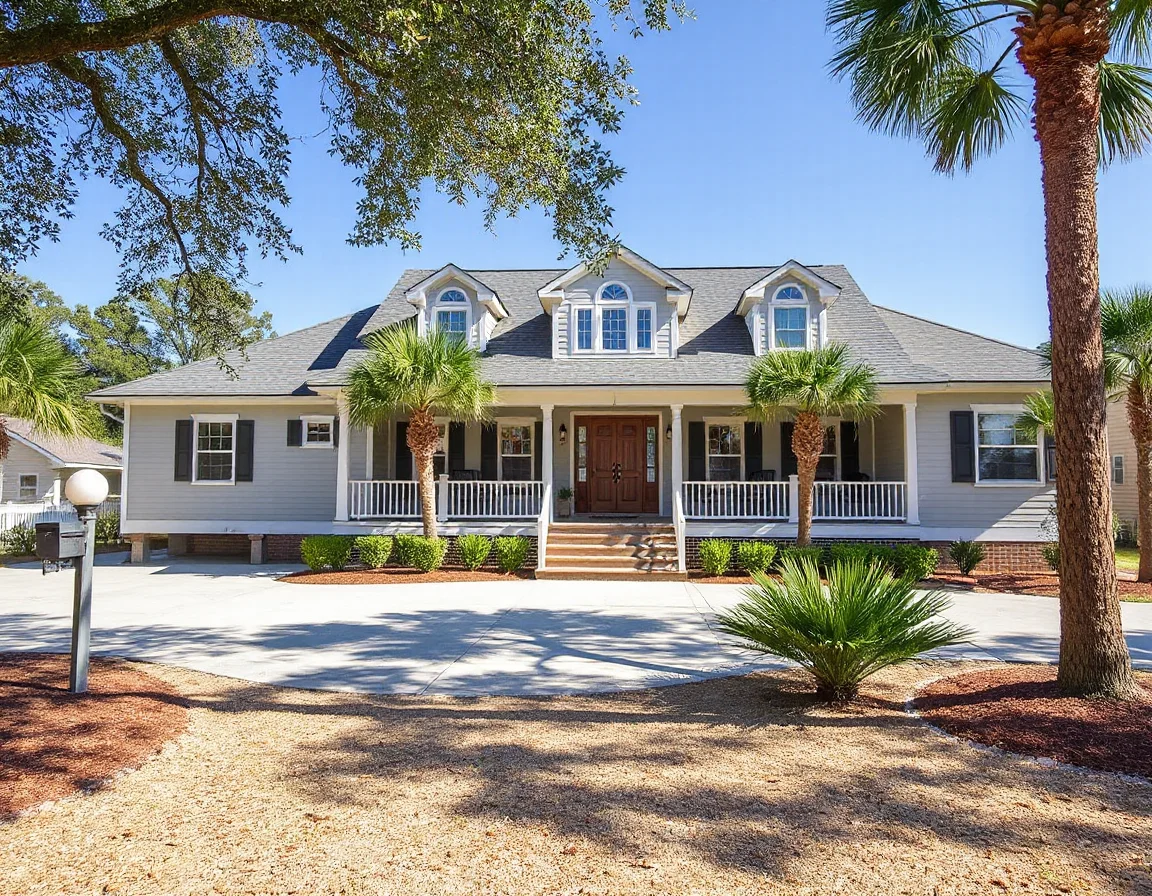
Flood maps are commonly the starting point. FEMA Flood Insurance Rate Maps identify flood hazard areas and may show a property in a Special Flood Hazard Area, often identified by zone designations such as AE, VE, or X. A lender may require flood insurance when a financed property is located in certain mapped areas, but a map designation alone does not tell the entire story. It does not replace a review of the structure’s elevation, the flood vents or enclosure details, the presence of utilities below the base flood elevation, or prior improvements made to the home.
It is also important to distinguish between the flood zone for the parcel and the characteristics of the actual building. Two homes on nearby streets can have different elevations, foundation types, drainage patterns, and insurance quotes. An elevated residence with documented compliance features may present differently to an insurer than a lower structure on a similar lot. Buyers should request available surveys, elevation certificates, permits, and any records related to prior flood claims or repairs as early as possible.
The most useful question is rarely “What zone is it in?” Ask how the home is elevated, how the ground level is used, and what documentation supports the current insurance quote.
Reading the Documents That Shape Insurance Costs
Insurance pricing on Sullivan’s Island is property-specific, and quotes can change based on the insurer, coverage selections, deductible, replacement-cost estimate, building features, prior loss history, and current underwriting standards. Flood insurance may be available through the National Flood Insurance Program or private insurers, while a standard homeowners policy typically addresses different covered risks. Wind and hail coverage, deductibles, and exclusions also deserve a separate review for coastal properties.
An elevation certificate, when available, can be especially useful. This document generally records the building’s elevation in relation to flood data and may include details about the foundation and lowest floor. It can help an insurance professional prepare a more informed estimate, although it does not guarantee a particular premium. For some homes, a survey, an elevation certificate, building plans, or a record of substantial renovations may also clarify whether features below the elevated living area are enclosed and how they are used.
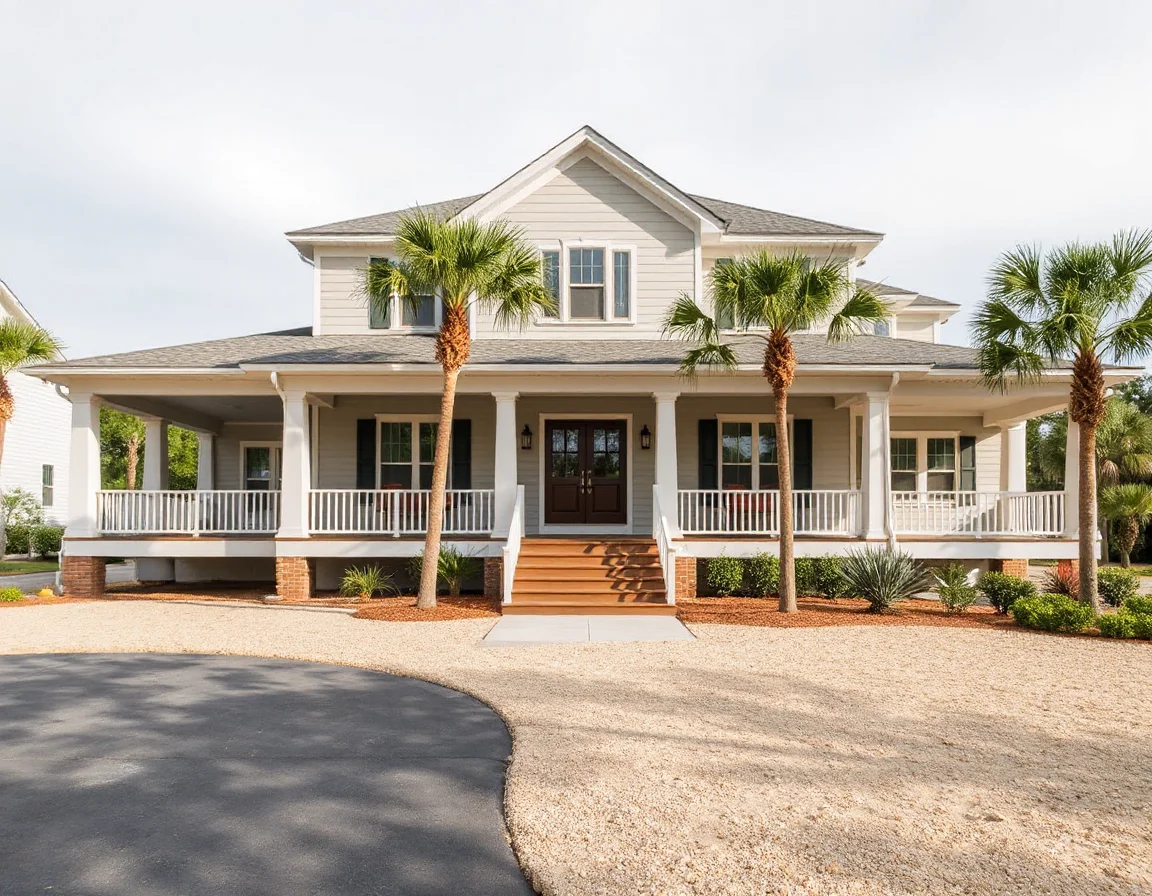
Requesting insurance estimates during the due-diligence period is a practical way to avoid surprises. Provide the insurance professional with the correct property address, year built, square footage, foundation type, roof information, elevation documentation, and any available history of improvements. Ask for a clear explanation of what is included, what is excluded, the deductible structure, and whether the estimate assumes a particular amount of personal-property or replacement-cost coverage.
Be cautious about using a seller’s current premium as a direct forecast. The seller may have a different coverage package, deductible, insurer, claims record, policy tenure, or building valuation. Changes in mapping, construction information, policy rules, and market conditions can also affect pricing. A buyer’s own written quotes are the more relevant planning tool.
Search Sullivan’s Island listings
Questions to Bring to the Inspection and Closing Table
A strong coastal due-diligence plan brings together the lender, insurance professional, attorney, inspector, surveyor, and, when needed, specialists familiar with elevated construction and waterfront conditions. The inspection period is the time to turn broad concerns into property-specific answers. Exterior stair systems, decking, railings, roof coverings, HVAC placement, crawlspace or enclosure conditions, drainage, windows, and visible corrosion all merit careful attention because salt air, sun, rain, and wind can accelerate wear.
Consider asking the seller or listing side for available records covering prior water intrusion, flood-related repairs, insurance claims, roof replacement, foundation work, drainage upgrades, and permits. If the property has an enclosed area below the elevated living space, ask how it has been used and whether the area’s configuration aligns with applicable rules. Storage, parking, mechanical equipment, finished space, and plumbing can carry different implications depending on the home’s design and flood requirements.
- What is the current FEMA flood-zone designation, and is there an elevation certificate or survey available?
- Has the property experienced flooding, storm-related damage, or water intrusion, and what repairs were completed?
- What flood, homeowners, wind, and excess-liability coverage options are available for this specific address?
- Are there permits, inspection records, or contractor invoices for major improvements?
- Are mechanical systems, electrical components, and utilities positioned with coastal conditions in mind?
- What closing requirements will the lender and insurer need before settlement?
For waterfront and luxury homes, the review may extend to docks, bulkheads, seawalls, shared access points, and marsh-front features. These components can involve separate maintenance needs, permits, easements, or regulatory limitations. A property survey and title review can help clarify boundaries and recorded rights, while qualified local professionals can explain which improvements may require additional approvals.
Timing the Process Without Rushing the Decision
Insurance and lender requirements can add steps to a coastal purchase, so beginning the review immediately after contract acceptance is usually more effective than waiting until the final week before closing. Allow time for insurers to evaluate documentation, for a lender to confirm coverage requirements, and for any follow-up inspections or contractor opinions. If an elevation certificate must be located, updated, or prepared, that can also affect the timeline.
A written insurance estimate, a review of available elevation information, and a conversation about prior repairs can turn a vague coastal concern into a measurable ownership decision before contingency deadlines approach.
It is equally helpful to build a realistic annual ownership budget. In addition to mortgage payments and property taxes, account for homeowners insurance, flood coverage if selected or required, wind-related deductibles, routine exterior maintenance, pest management, HVAC servicing, landscaping, and reserves for weather-related upkeep. The right budget is not a single statewide estimate; it reflects the home’s construction, location, coverage choices, and the condition of its systems.
Sullivan’s Island offers a distinctive coastal setting, with beach access, harbor and marsh views, historic character, and a close connection to Charleston’s waterfront landscape. A well-prepared buyer can appreciate those qualities while still approaching the transaction with discipline. Review the documents, compare insurance options, ask direct questions, and rely on qualified local professionals for advice within their fields. That preparation creates a clearer path from contract to closing—and a more confident understanding of the property after the keys are delivered.