
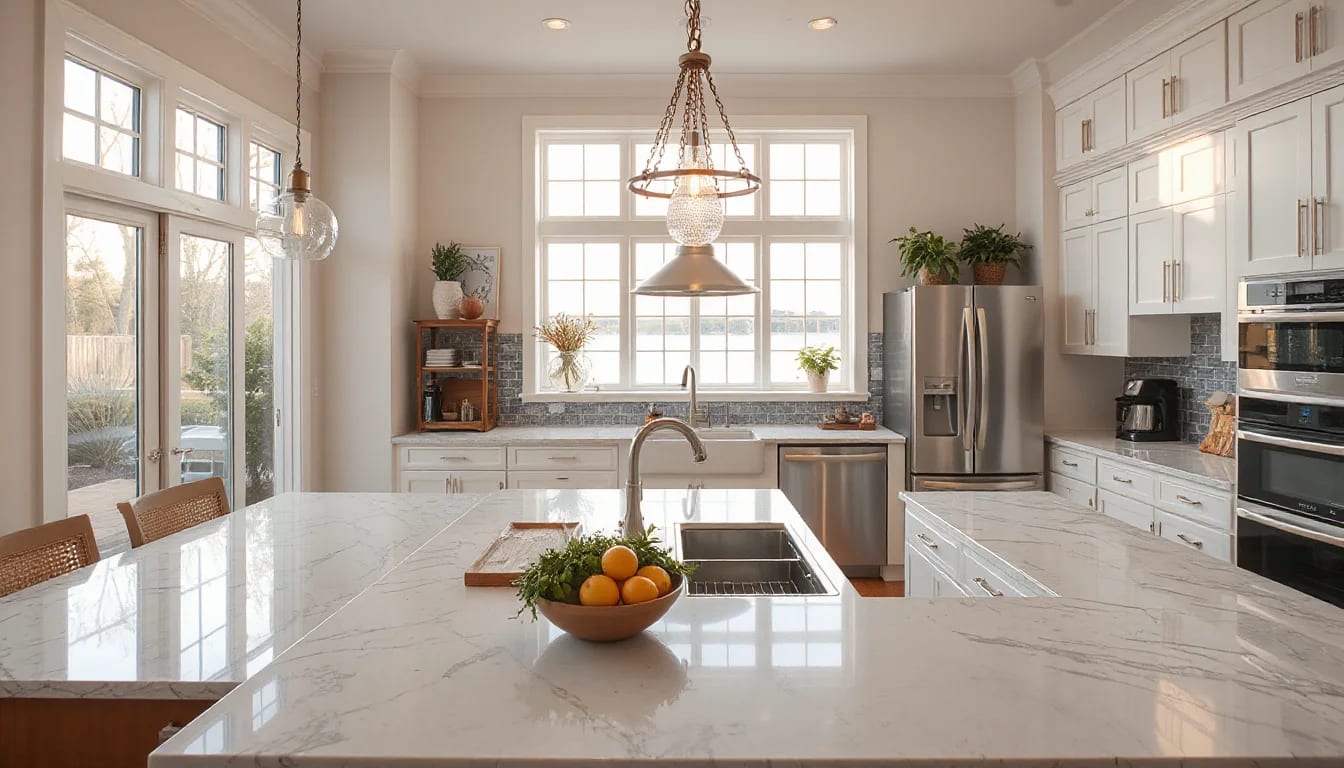
On Sullivan’s Island, the renovations with the greatest resale influence are rarely the flashiest. Buyers tend to notice durable coastal materials, well-planned outdoor living, resilient systems, and spaces that make daily use of the island setting feel effortless. The strongest projects pair polished design with clear documentation, permits, and maintenance records that help a future buyer understand the home’s condition.
Think Coastal Performance Before Cosmetic Updates
Sullivan’s Island homes operate in a demanding environment. Salt air, sun, wind-driven rain, humidity, and changing weather patterns place continuous pressure on exterior finishes, mechanical systems, roofs, windows, and decks. That reality shapes resale: a fresh coat of paint may improve first impressions, but buyers and inspectors are also looking for signs that an owner has invested in the components that protect the home over time.
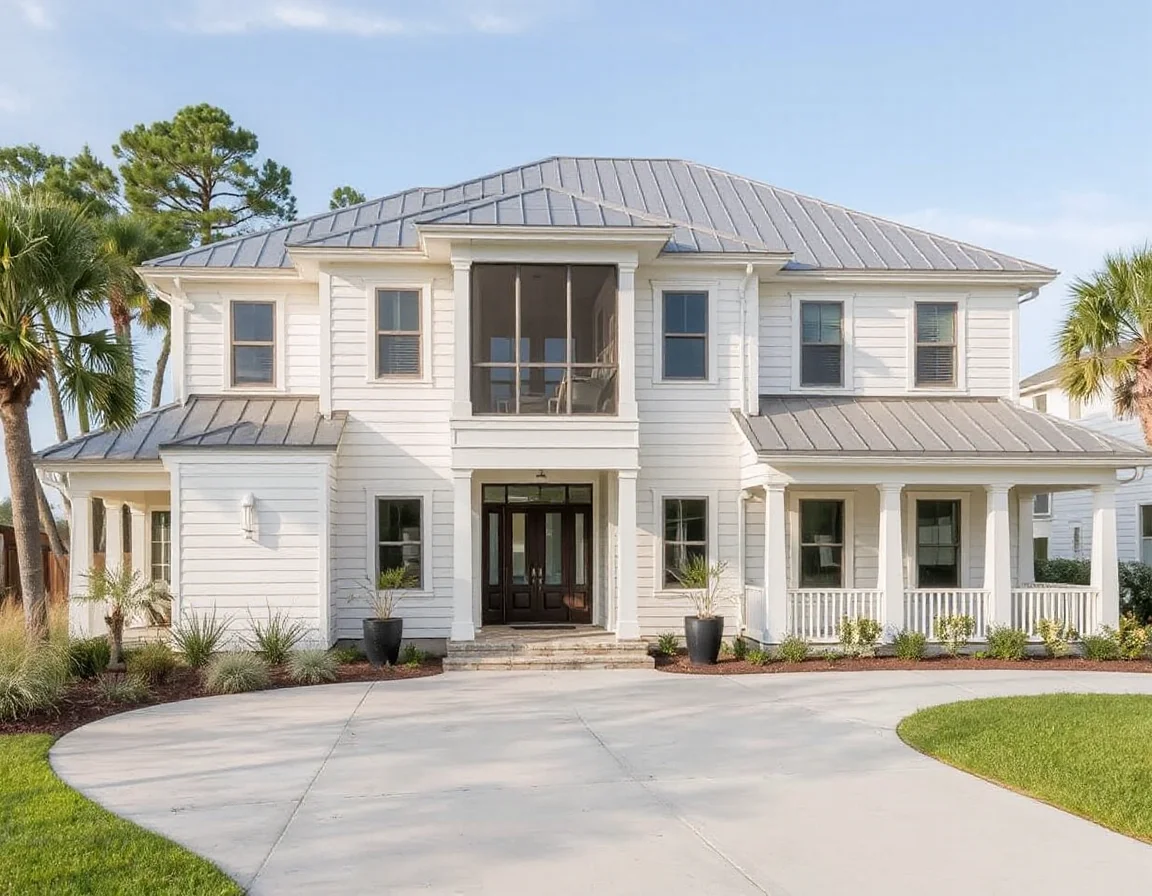
Envelope improvements often carry more credibility than trend-driven finishes. Projects such as a properly installed roof, impact-rated openings where appropriate, upgraded flashing, durable siding details, sealed penetrations, and carefully maintained elevated foundations can materially improve how a property presents during due diligence. Keep invoices, warranty information, product specifications, permit records, and photos of work completed behind walls or beneath flooring. Those records can be as valuable in a resale conversation as the renovation itself.
Windows and doors are especially visible decision points. The goal is not simply to replace every opening with the most expensive option, but to select products that suit the architecture, local approvals, wind requirements, and maintenance expectations. On historic or architecturally distinctive homes, proportion, muntin patterns, trim profiles, and placement matter just as much as performance ratings. A well-executed update should look intentional rather than generic.
For coastal resale, a renovation file can turn an unfamiliar improvement into a measurable benefit: permits, transferable warranties, contractor contacts, and pre-renovation photos reduce uncertainty during inspections and negotiations.
Before beginning exterior work, verify applicable Town of Sullivan’s Island requirements, flood-zone considerations, and any review process that may apply to the property. Coastal work often has layers of coordination, and a project that is beautifully finished but poorly documented can create delays later. Early planning also helps owners avoid spending on changes that do not fit the home’s scale, siting, or long-term maintenance plan.
Kitchens That Balance Finish Quality and Everyday Function
Kitchens remain among the most influential interior spaces in a resale showing, particularly when they connect naturally to living areas, porches, or outdoor entertaining zones. On the island, the best kitchen renovations generally feel bright, practical, and grounded in durable materials rather than overly themed. A buyer should be able to picture preparing a meal after a beach walk, hosting a gathering, or simply enjoying the light and airflow through the home.
Layout improvements can have more impact than adding a long list of luxury features. Consider sightlines, circulation around the island, landing space near appliances, pantry storage, task lighting, and a logical relationship to dining and outdoor areas. If a wall removal is being considered, engage qualified professionals to evaluate structural, electrical, plumbing, and permitting implications before assuming an open plan is the answer. Some homes benefit from openness; others gain more value from preserving architectural rhythm while improving utility behind the scenes.
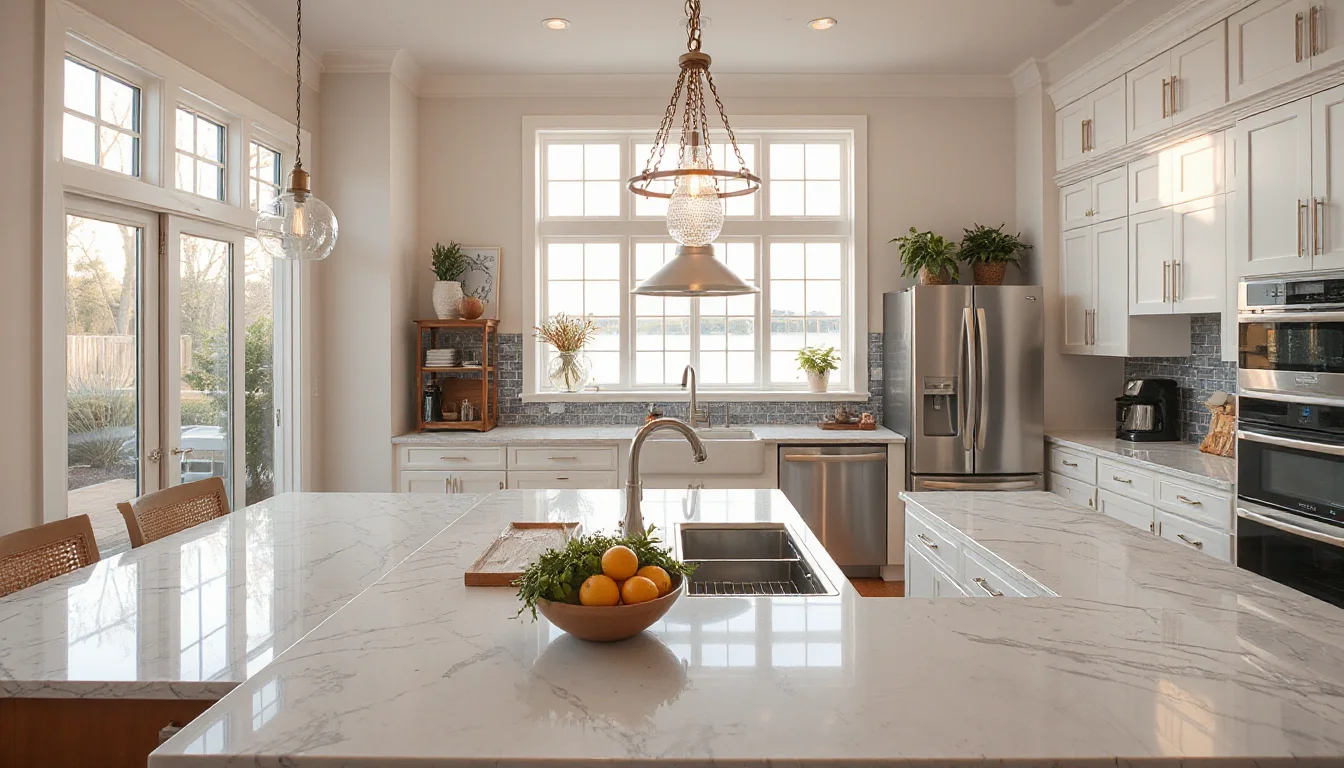
Materials should earn their place. Stone or high-quality engineered surfaces, solid hardware, layered lighting, cabinetry with useful storage, and resilient flooring can create a durable impression. In a coastal climate, it is wise to discuss moisture tolerance, corrosion resistance, ventilation, and care requirements with the design and construction team. A striking material that requires unusually delicate care may not support the easy, polished presentation many buyers expect from a coastal property.
Avoid renovating solely for the next buyer’s imagined taste. Neutral does not have to mean bland: warm white walls, natural wood, textured tile, restrained color, and thoughtfully selected fixtures can give a kitchen depth without locking the home into a fleeting trend. If the property has historic details, preserve or reinterpret them through cabinetry profiles, millwork, ceiling treatments, and hardware choices rather than replacing every original element with a contemporary finish.
Search Sullivan’s Island listings
Outdoor Living Is Most Valuable When It Feels Integrated
Outdoor areas can be a major differentiator on Sullivan’s Island, but their resale impact depends on execution. A simple, durable porch with comfortable circulation, ceiling fans, good lighting, and weather-conscious finishes may contribute more than an oversized feature that dominates the lot or requires intensive upkeep. The objective is to extend the usable living area while respecting the home’s architecture and the coastal setting.
Screened porches, covered decks, outdoor showers, thoughtfully placed storage, and well-designed entry transitions are often practical additions. An outdoor shower, for example, can help manage sand and saltwater after time near the shore, while a rinse station or enclosed storage area can organize boards, bicycles, and other equipment. These are not merely lifestyle details; they demonstrate that the home has been designed around the realities of its location.
Landscaping deserves equal attention. Native or climate-appropriate plantings, drainage-aware grading, permeable surfaces where suitable, and irrigation designed for the site can create a composed appearance without relying on high-maintenance lawn areas. Mature trees and established plantings should be evaluated carefully before construction begins. Their shade, character, and relationship to the house can be difficult to replace.
Systems, Baths, and Flexibility Can Quietly Strengthen Value
Some of the most persuasive upgrades are not the first things seen in listing photos. HVAC equipment, dehumidification strategies, plumbing updates, electrical capacity, insulation, crawlspace or enclosure maintenance, and water-management improvements can shape comfort, operating costs, and inspection outcomes. A buyer may not immediately recognize every component, but a clean inspection report and organized maintenance history can reinforce confidence in the entire property.
Bathroom renovations should follow the same principle: prioritize ventilation, water-resistant construction, durable fixtures, useful storage, and lighting that works at different times of day. A beautifully tiled bath gains more credibility when the shower waterproofing, exhaust system, and plumbing work were completed by qualified professionals and documented. In coastal homes, details behind finished surfaces matter.
Flexibility also supports broad resale appeal. Instead of labeling a room for a particular type of occupant, describe it through function: a study, studio, media room, guest room, exercise space, or additional storage area. A finished ground-level area, when allowed and appropriately designed for its conditions, may add practical utility. Buyers can then decide how the space serves their own routines.
How to Prioritize a Renovation Budget
When choosing between projects, begin with the home’s condition rather than a wish list. Address water intrusion, structural concerns, roof age, deteriorated exterior elements, obsolete systems, and deferred maintenance first. Then move to layout and finish improvements that increase daily usability. This sequencing helps ensure that cosmetic work is not later disturbed by a necessary repair.
- Start with protection: roof, drainage, exterior materials, openings, and moisture management.
- Improve core function: kitchen flow, bathrooms, HVAC, electrical, plumbing, and storage.
- Refine the island connection: porches, decks, outdoor showers, landscape planning, and entry areas.
- Document every phase: permits, warranties, plans, invoices, maintenance schedules, and product information.
It is also useful to compare a project’s cost with nearby competing properties, but avoid treating any renovation as a guaranteed dollar-for-dollar return. Resale outcomes depend on timing, condition, location, lot characteristics, design quality, and the inventory available when the home enters the market. The right question is often, “Will this improvement make the property more complete, more durable, and easier to evaluate?”
A Renovation That Reads as Careful Stewardship
The strongest Sullivan’s Island renovation projects tell a consistent story. They protect the house from coastal conditions, preserve or enhance its architectural character, improve daily function, and make outdoor living more useful without overbuilding. When those elements are paired with professional planning and careful records, the result is more than an updated home—it is a property that buyers can understand, appreciate, and assess with confidence.