

Sullivan’s Island offers more than a shoreline address: its beach access points, Lowcountry landscape, public spaces, and small-scale dining scene all shape the day-to-day experience of owning a home here. Before moving, spend time exploring the island at different hours, compare property features with coastal maintenance needs, and learn how access, parking, and flood considerations can affect a purchase.
Start With the Shoreline Experience
Sullivan’s Island is a narrow barrier island at the entrance to Charleston Harbor, reached from Mount Pleasant by the Ben Sawyer Bridge. The Atlantic-facing shoreline is the feature most people notice first, but its appeal becomes clearer when viewed as part of an everyday routine rather than a single beach day. Public beach access points are distributed along the island, and conditions can feel different depending on the tide, season, wind, and proximity to the inlet or harbor side.

Walking the beach is one of the best ways to understand the island’s geography. Near the north end, the views open toward Breach Inlet and the Isle of Palms. Toward the south end, the landscape shifts closer to Charleston Harbor, Fort Sumter, and the channel activity beyond the beach. The island’s broad sands, dune systems, and maritime vegetation create a setting that changes with the weather and with the light throughout the day.
For prospective buyers, a few practical observations matter just as much as the view. Visit access paths from the street, notice where parking is available, and consider how a home’s distance from the ocean influences walking routes, salt exposure, wind, and maintenance planning. A beachfront location, a harbor-facing property, and a home several blocks inland can each offer distinctly different sightlines and ownership considerations.
On a barrier island, the walk from a property to the water can be as important as the water view itself. Tour the route, not just the listing photos, and revisit it at a different tide or time of day.
The island’s beach rules and access conditions can also change seasonally, so it is helpful to review current municipal information before relying on a particular routine. Coastal buyers should also ask detailed questions about elevation, flood-zone designations, insurance options, stormwater drainage, and the condition of exterior systems. These are not reasons to avoid a coastal home; they are part of making a well-informed comparison between properties.
Parks, History, and Outdoor Places to Explore
Beyond the oceanfront, Sullivan’s Island has public spaces that add texture to an afternoon of exploring. The island’s streets are lined with mature trees, palmettos, and a mix of historic cottages, renovated residences, and newer coastal construction. The setting encourages walking and cycling, while the harbor and beach provide changing views that make even a short route feel connected to the water.
Fort Moultrie is one of the island’s defining landmarks. Part of Fort Sumter and Fort Moultrie National Historical Park, the site presents layers of coastal military history and overlooks Charleston Harbor. Whether someone is visiting for the first time or comparing nearby homes, it offers a useful sense of the island’s long relationship with the harbor, maritime activity, and coastal preservation.
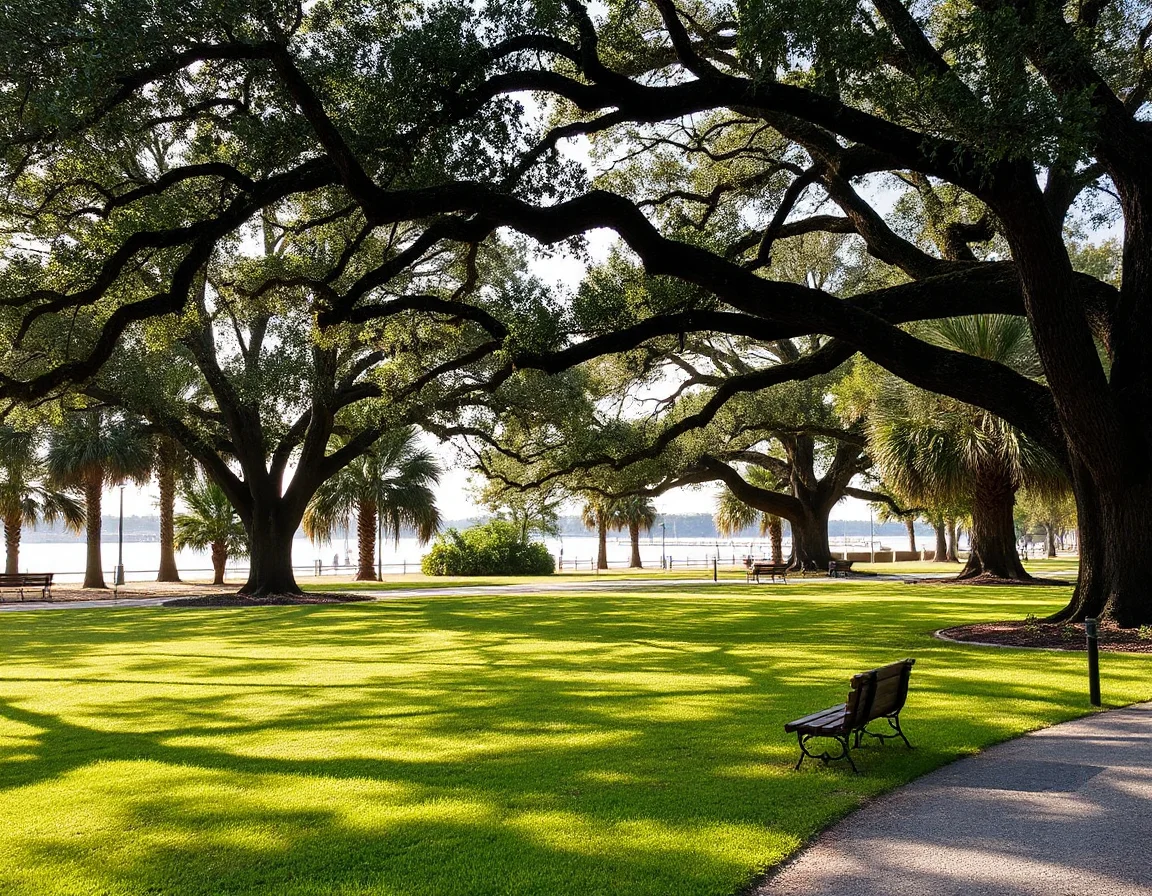
Thompson Park, located near the island’s commercial area, is another compact outdoor stop worth including on a scouting day. It provides a central green space within easy reach of the island’s dining destinations and is often a convenient place to pause between beach access visits. Sullivan’s Island Nature Trail offers another way to observe the island’s vegetation and natural setting away from the main beach.
As you explore, pay attention to the details that affect how a home feels in context: tree canopy, street drainage, driveway configuration, outdoor storage, porches, screened areas, and the orientation of decks or patios. On the coast, outdoor spaces are often used throughout much of the year, but their usefulness depends on shade, breezes, privacy, material durability, and how well they have been maintained.
Historic character is visible in several parts of the island, and some properties may be subject to design review or other local requirements. Buyers interested in renovating, expanding, or rebuilding should confirm zoning, setbacks, height limitations, tree rules, and permitting expectations early in the process. A property’s potential is best assessed with both its current features and its regulatory framework in mind.
A coastal home inspection should look beyond the interior finish level. Roofing, windows, pilings, siding, decks, HVAC equipment, drainage, and corrosion-resistant materials can have a meaningful impact on long-term planning.
Dining and the Island’s Everyday Rhythm
Sullivan’s Island has a compact dining scene concentrated near Middle Street, where casual daytime stops and evening gathering places sit within a short distance of one another. The appeal is not a large commercial district; it is the convenience of having a handful of established local options woven into an otherwise residential coastal setting. Exploring on foot can help prospective buyers understand where these destinations sit relative to the homes they are considering.
The island is also closely connected to nearby Mount Pleasant and downtown Charleston. Depending on traffic, bridge conditions, and the destination, travel time can vary considerably, so a practical visit should include a drive at the times that matter to you. Test the route toward grocery options, medical services, marina facilities, work destinations, and cultural attractions instead of relying only on a map estimate.
For those considering a move, it is worth visiting on both a weekday and a weekend. Seasonal visitors, warm-weather beach activity, special events, and weather conditions can alter traffic flow and parking availability. Observing those patterns gives a more complete picture of the island’s pace and can help clarify whether a specific street or location aligns with your preferences for access and daily logistics.
Search Sullivan’s Island listings
How to Evaluate a Sullivan’s Island Home
The real estate conversation on Sullivan’s Island often begins with location, but the strongest purchase decisions account for the full property story. Waterfront homes may offer dramatic harbor or ocean views, while interior island homes can provide a different relationship to the beach, trees, and surrounding streets. Historic homes can offer distinctive architectural details, and newer construction may feature current coastal building methods, elevated living spaces, impact-rated windows, and modern mechanical systems.
During showings, compare lot size, elevation, parking, storage, outdoor living areas, and the condition of major systems. Ask for available records related to renovations, permits, flood insurance, wind coverage, utilities, septic or sewer service where applicable, and any known erosion or drainage work. If a property includes a dock, water access, or specialized outdoor amenities, confirm the relevant permits, maintenance obligations, and transfer details.
It can also be useful to separate emotional reactions from decision criteria. A memorable view or beautifully staged interior may be important, but so are replacement timelines for roofs and HVAC systems, access during storm preparation, insurance costs, and the upkeep associated with coastal materials. An experienced local real estate professional can help organize these questions, coordinate due diligence, and compare the trade-offs among available homes.
Charleston Realty and Jayson Wingfield bring a concierge-minded approach to coastal, luxury, waterfront, and historic property searches. The right home on Sullivan’s Island is not simply about checking a list of features; it is about understanding how the property, location, maintenance profile, and coastal lifestyle fit together over time.
Explore coastal insurance information
Take Time to See the Island in Context
A thoughtful Sullivan’s Island visit should include the beach, a park, the harbor side, the Middle Street area, and a drive across the bridge at more than one time of day. Walk the blocks around homes that interest you, observe sun and wind exposure, and ask questions about the practical details that accompany island ownership. With that preparation, you can approach the search with a clearer perspective on both the beauty of the setting and the responsibilities that come with a coastal home.