
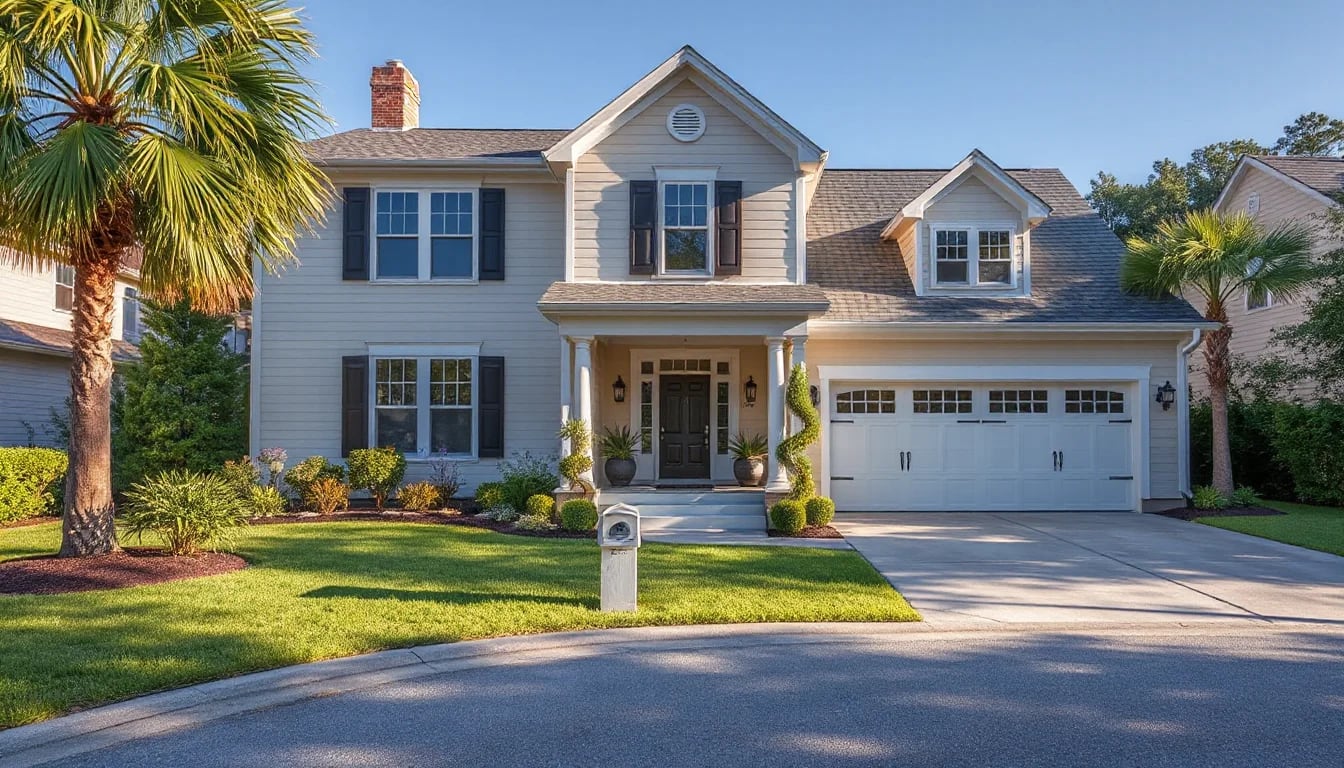
Buying on Sullivan’s Island means looking beyond the list price. Flood exposure, insurance, elevation, renovation scope, rental rules, and limited inventory all shape the true cost of ownership—and can also influence long-term value. A careful plan helps buyers compare properties on the details that matter after closing day.
Start With the Full Purchase Picture
Sullivan’s Island is a small barrier-island community near Charleston, South Carolina, where oceanfront setting, beach access, historic character, and a limited supply of homes can create a distinctive real estate market. The purchase price is naturally the first number many buyers study, but it is only one part of the financial picture. A realistic budget also considers closing costs, inspections, lender requirements, insurance, property taxes, reserves for repairs, and any improvements needed to align the property with a buyer’s plans.

Closing costs deserve an early conversation. Depending on the transaction, they may include lender charges, appraisal and survey fees, title-related expenses, recording fees, prepaid insurance, and escrow deposits. Buyers paying cash may avoid loan fees but should still account for due diligence expenses and ongoing ownership costs. Your lender, closing attorney, and real estate professional can outline estimates based on the specific property and financing structure before an offer is submitted.
On a coastal property, inspection is more than a single line item. Buyers may choose general home, termite, roof, HVAC, plumbing, electrical, moisture, and specialized inspections based on a home’s age and construction. For elevated homes, attention often turns to the condition of pilings, foundation elements, stairs, decks, exterior cladding, drainage, and mechanical systems located below the living level. The goal is not simply to find a flawless property; it is to understand present condition, future maintenance, and the cost of any desired work.
On a barrier island, two homes with similar square footage can have very different ownership costs because elevation, roof age, drainage, flood zone, and insurance history are property-specific.
Historic and older residences can add another layer of opportunity and responsibility. Original architectural details, mature landscapes, and established building styles can be meaningful features, while updates may require careful planning around local regulations, materials, permits, and contractor availability. Buyers should build time into their decision process to review disclosures, inspection findings, municipal requirements, and their own improvement priorities.
Insurance, Elevation, and Coastal Resilience
Insurance is often one of the most important line items for a Sullivan’s Island purchase. Homeowners coverage, wind coverage, flood insurance, and deductibles can vary widely by property. Insurers may evaluate factors such as elevation certificates, construction type, roof condition, hurricane mitigation features, claims history, distance from water, and the amount and type of coverage requested. Obtaining quotes early can prevent a late-stage surprise and gives buyers a more accurate sense of annual carrying costs.
Flood zone information should be reviewed as part of due diligence, not treated as a simple yes-or-no indicator. A property located in a lower-risk designation may still face weather-related exposure, while a home in a higher-risk zone may have design features that affect premiums and resilience. Elevation certificates, flood policies, prior repair documentation, drainage observations, and local building records can provide useful context. An experienced insurance professional can explain the coverage options and exclusions that apply to a particular address.
Many coastal buyers also set aside a maintenance reserve. Salt air, humidity, wind, and intense sun can shorten the service life of exterior finishes, hardware, decks, roofs, HVAC components, and landscaping systems. A reserve does not mean a property has a problem; it is a practical way to plan for routine care in a coastal environment. Buyers comparing multiple homes should include this ongoing stewardship in their analysis rather than focusing solely on immediate renovation costs.
Search Sullivan’s Island listings
How Limited Supply Can Affect Long-Term Value
Sullivan’s Island has finite land area and a housing inventory shaped by coastal geography, established neighborhoods, local development rules, and the character of existing homes. Those conditions can contribute to a market where well-positioned properties attract sustained attention, particularly when a home offers features that are difficult to replicate: a useful floor plan, outdoor living areas, water views, beach proximity, elevated construction, updated systems, or preserved architectural detail.
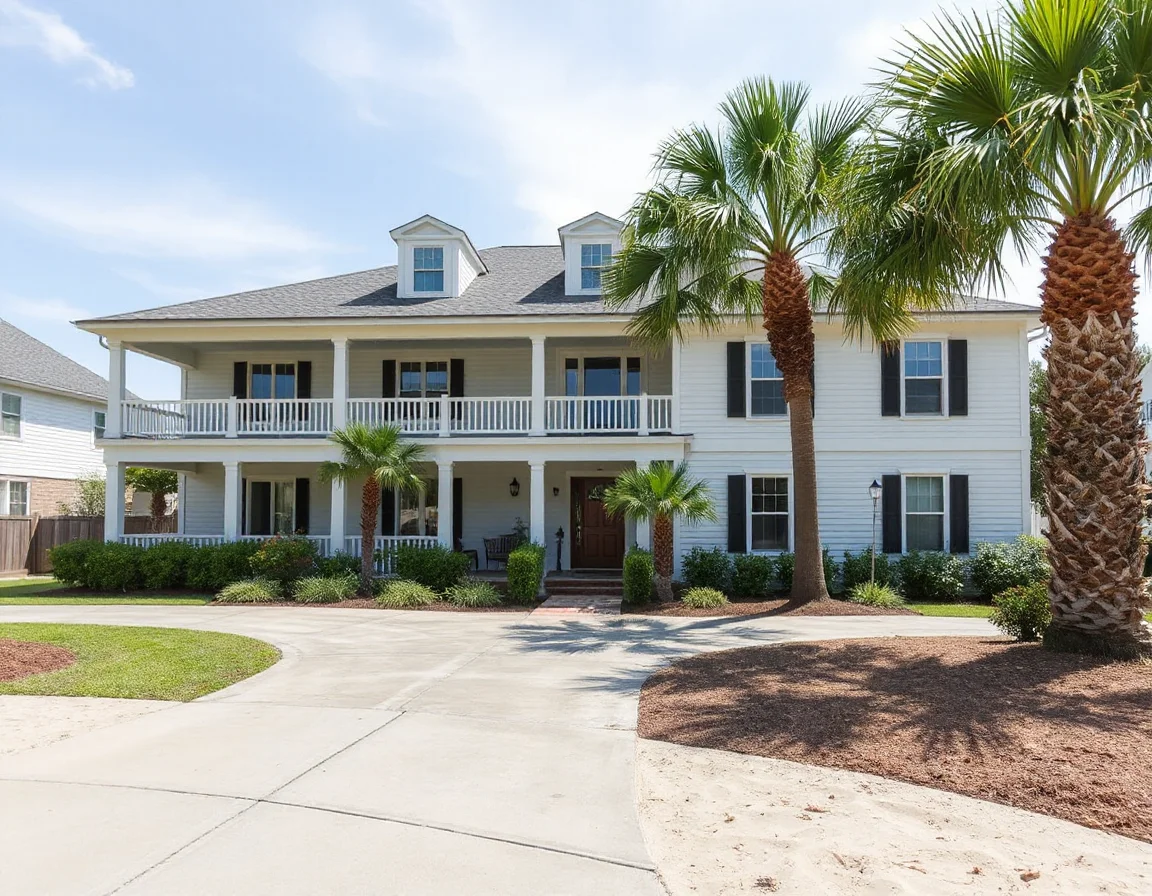
Long-term value, however, is never guaranteed. Broader interest rates, insurance costs, changing buyer preferences, property condition, and regional inventory all influence market performance. The most useful approach is to purchase with a clear understanding of personal timing and property fundamentals. A buyer planning to hold a home for several years may weigh durable features differently than someone seeking maximum near-term flexibility. In either case, the strongest decisions are based on current data, inspection results, comparable sales, and realistic ownership expenses.
Location within the island can also affect how a property is evaluated. Rather than relying on broad labels, compare objective factors: lot size, access routes, views, beach access points, road exposure, elevation, construction year, renovation history, parking configuration, and outdoor space. These details can influence daily use, maintenance planning, insurance conversations, and future marketability. A property that fits your priorities on paper should still be experienced in person at different times of day and, when possible, in varied weather conditions.
For homes near the water, it is especially useful to understand whether a view is protected, partially obstructed, seasonal, or subject to change. Review plats, easements, public rights-of-way, nearby vacant land, setbacks, and local regulations with the appropriate professionals. Careful research is part of protecting the value of a purchase—not because every future change can be predicted, but because informed buyers know which questions to ask before they commit.
Build a Due-Diligence Plan Before You Offer
A thoughtful offer strategy begins with a property-specific checklist. Ask for the seller disclosure, prior permits when available, survey, elevation certificate, utility history, insurance information, repair records, and documentation for major systems. Review the contract timelines closely so inspections, lending, insurance quotes, and title work can be completed without rushing. If a home includes a pool, dock, seawall, guest space, or extensive outdoor improvements, make sure those features receive appropriate review as well.
- Estimate annual ownership costs: taxes, insurance, utilities, maintenance, landscaping, and reserves.
- Confirm building details: roof age, HVAC age, windows, exterior materials, deck condition, and elevation information.
- Study local requirements: permits, zoning, setbacks, short-term rental regulations, and renovation considerations.
- Compare recent sales carefully: adjust for condition, lot characteristics, views, construction quality, and proximity to the shoreline.
- Keep contingency funds available: especially when purchasing an older home or planning improvements soon after closing.
The most useful comparison is not “which home costs less?” but “which home offers the clearest fit after purchase costs, condition, and likely maintenance are considered together?”
Buyers can also benefit from assembling the right local team before touring seriously: a lender or financial advisor, insurance contact, closing attorney, inspector, and real estate professional familiar with coastal transactions. Their perspectives help turn a broad search into a disciplined evaluation process. It is often easier to move confidently when questions about coverage, inspection scope, or renovation logistics have already been answered.
Explore Sullivan’s Island real estate
A Purchase That Balances Enjoyment and Preparation
There is a tangible appeal to owning a home near the beach, where changing tides, maritime landscapes, and Charleston’s coastal setting are part of the backdrop. The best purchase decision pairs that appeal with practical preparation. Evaluate the home’s condition, understand coastal ownership obligations, and maintain a budget that accounts for both expected and unexpected expenses.
With diligent research, a clear financial plan, and property-level guidance, buyers can approach Sullivan’s Island with perspective. The right home is not necessarily the one with the lowest initial cost or the longest feature list. It is the one whose location, construction, maintenance needs, and long-term potential align with your goals—and whose full cost of ownership is understood before the keys change hands.