

A home inspection on Sullivan’s Island is more than a pass-or-fail moment. It is an opportunity to understand how a property’s roof, exterior materials, drainage, mechanical systems, and elevated construction are responding to the Lowcountry coastal environment. A careful review helps buyers move from broad impressions to practical next steps before the due-diligence window closes.
Why Coastal Inspections Deserve a Closer Look
Buying a home near the Atlantic brings a distinctive mix of architecture, weather exposure, and maintenance considerations. Sullivan’s Island properties may include raised foundations, porches, decks, metal roofing, coastal landscaping, and materials selected to perform in humid, salt-air conditions. Those features can be beautiful and functional, but they also make a detailed inspection especially valuable. The goal is not to expect a flawless home; it is to understand its present condition, identify items that need attention, and plan for ownership with clear eyes.
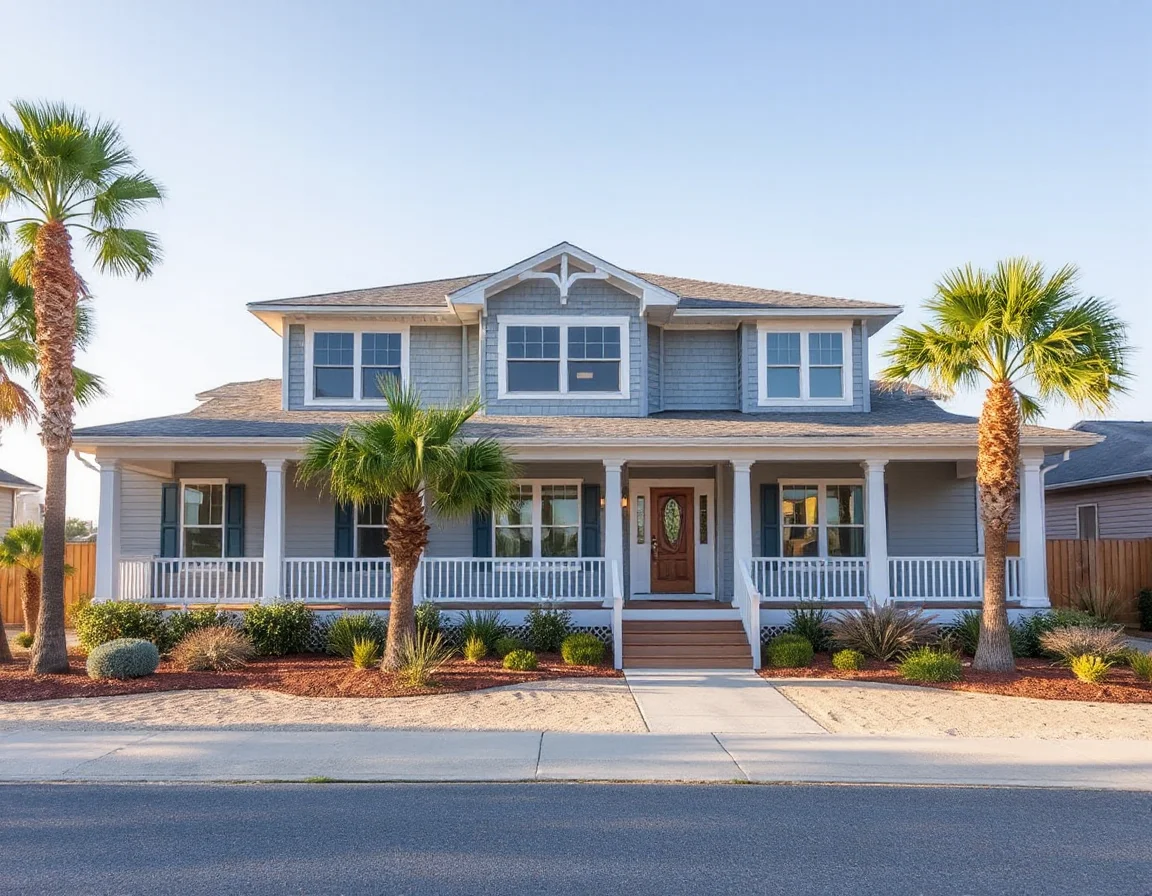
Start with the inspector’s scope and timing. A general home inspection typically reviews visible and readily accessible components such as the roof, exterior cladding, windows, doors, plumbing fixtures, electrical panels, heating and cooling equipment, and interior surfaces. It is not a guarantee of future performance, and it does not replace specialized evaluations when a system or condition calls for one. In a coastal setting, buyers may also choose to consult qualified specialists for items such as roofing, foundations, crawl spaces, wood-destroying organisms, pools, seawalls, docks, or marine structures.
Salt, wind-driven rain, sun, humidity, and shifting temperatures can accelerate ordinary wear. Fasteners, railings, exterior fixtures, window hardware, deck connections, paint finishes, and HVAC components all deserve a close visual review. A good inspection report distinguishes between routine maintenance, repairs that should be addressed promptly, and conditions that merit further evaluation. That distinction helps buyers prioritize rather than react to every notation with the same level of urgency.
On a coastal property, a small exterior maintenance item can become more consequential if moisture reaches framing, trim, or mechanical equipment. Ask for the inspector’s recommended priority and whether a licensed specialist should evaluate the condition.
It also helps to attend the final portion of the inspection when possible. Walking through the home with the inspector can make the written report easier to interpret. Buyers can ask where shutoffs are located, how drainage moves around the structure, which equipment is nearing the end of its typical service life, and what ongoing maintenance will help protect the property. Notes and photographs are useful, but an on-site conversation often provides the clearest context.
Focus Areas for a Sullivan’s Island Property
Every home is different, yet several inspection categories routinely deserve thoughtful attention near the coast. Exterior details should be reviewed as a connected system: roof coverings and flashings direct water away; gutters and downspouts manage runoff where present; siding, trim, seals, and paint protect the building envelope; and grading or drainage routes water away from the foundation area. An inspector may point out missing sealant, deteriorated paint, loose handrails, worn decking, damaged screens, or signs of prior moisture intrusion. These observations create a useful maintenance roadmap even when they are not deal-breaking issues.
Raised and crawl-space construction calls for its own questions. The inspector may review visible framing, supports, ventilation, insulation, plumbing lines, and evidence of moisture or wood deterioration where accessible. Ask whether the crawl space appears dry at the time of inspection, whether drainage conditions should be monitored, and whether the report recommends a structural, drainage, or pest professional. If a home has an enclosed lower area, confirm how that space is represented in listing materials and whether any improvements require additional documentation or specialist review.
Roofing is another major consideration because coastal weather can place considerable demand on roof coverings, flashing, vents, and penetrations. A general inspector can identify visible concerns and approximate material condition, while a roofing contractor may be appropriate for a repair estimate, a remaining-life opinion, or a closer review of suspected leakage. Requesting documentation for prior roof work, permits when applicable, warranties, and maintenance records can help fill in the property’s history.
Mechanical systems benefit from the same practical approach. Air-conditioning equipment works hard in the Lowcountry’s long warm season, while outdoor condensers face humidity and airborne salt. Inspectors can identify visible defects, test accessible functions, and note age or maintenance concerns, but a licensed HVAC technician can provide a more detailed assessment when the report raises questions. Filter changes, drain-line maintenance, corrosion checks, and regular servicing can be part of a sensible ownership plan.
Search Sullivan’s Island listings
Read the Report as a Decision Tool
A thorough report can be lengthy, and that can feel overwhelming after an exciting showing. Rather than reading it as a list of failures, organize the findings into three groups: health or safety concerns, items needing repair or specialist review before closing, and maintenance projects to budget for after closing. Your real estate professional can help coordinate the discussion, while the appropriate licensed contractors can explain repair options and provide estimates. This process supports a fact-based negotiation strategy that reflects the property’s actual condition and the local market.

For example, a report may note aged caulk around exterior openings, a loose stair handrail, a dated water heater, and a recommendation for HVAC service. Those items do not necessarily carry equal weight. A qualified contractor can clarify whether a concern is minor maintenance, a repair with a defined cost, or a condition requiring more extensive work. The most useful next step is usually to seek the right information quickly enough to make decisions within the contract timeline.
Documentation matters, too. Ask the seller for available records related to improvements, maintenance, repairs, warranties, and service history. Depending on the home, records for roof replacement, HVAC work, window installation, pest treatment, drainage projects, generators, pools, docks, or other exterior structures may help create a more complete picture. Public permits and local requirements can also be relevant, especially for renovations or additions. Your agent can help identify questions to raise, but contractors, inspectors, attorneys, insurers, and local authorities are the right resources for technical or legal conclusions.
Insurance should be part of the inspection conversation rather than an afterthought. Before the due-diligence period ends, buyers can speak with an insurance professional about coverage options, requested documentation, deductibles, and any inspections the carrier may require. The home inspection report may reveal details worth discussing, such as roof age, electrical updates, plumbing materials, or visible protective features. Getting preliminary insurance information early can make the closing process more predictable.
Keep inspection findings, contractor estimates, and seller documentation in one folder. That record can guide negotiations now and become a practical maintenance reference after closing.
A Confident Path From Inspection to Closing
Coastal ownership is most enjoyable when maintenance is planned instead of postponed. Once inspection questions are resolved, create a first-year calendar for seasonal tasks: roof and gutter observation, exterior paint and sealant checks, HVAC service, deck and railing reviews, drainage observation after heavy rain, and timely attention to any moisture concerns. A home with consistent care is easier to understand and maintain over time than one addressed only when a visible problem appears.
For buyers considering homes with waterfront features, the inspection process may expand beyond the residence itself. Docks, bulkheads, seawalls, lifts, and other marine improvements can involve separate materials, permits, maintenance cycles, and specialist expertise. A general inspector may note visible conditions, but a marine contractor or other qualified professional can evaluate those structures in more depth. Build adequate time into due diligence whenever specialized assessments are appropriate.
Sullivan’s Island homes often invite buyers to look closely at the details that make coastal architecture distinctive: elevated entries, generous porches, breezy interiors, durable finishes, and outdoor spaces designed around the setting. A careful inspection does not diminish that appeal. Instead, it gives buyers a clearer understanding of the work behind preserving it. With the right professionals, prompt follow-up, and a realistic maintenance plan, the inspection becomes a practical foundation for an informed purchase decision.