

Sullivan’s Island real estate moves in a small, distinctive market where the number of available homes can matter as much as the asking price. Understanding inventory, property condition, waterfront considerations, and recent comparable sales can help buyers and sellers make decisions with more confidence. The goal is not to chase a headline—it is to recognize what the current selection and pricing signals actually mean for a specific property.
Why Inventory Carries So Much Weight on Sullivan’s Island
Sullivan’s Island has a limited physical footprint, a varied collection of coastal homes, and comparatively few properties available at any one time. That combination makes inventory an especially important part of the local market conversation. A handful of new listings, a cluster of recent closings, or the absence of a particular home style can shift how buyers evaluate value and how sellers set expectations. Rather than treating every listing as interchangeable, it helps to compare homes by location, lot characteristics, condition, views, access, elevation, and renovation history.

Low inventory does not automatically mean that every property will receive the same response. A home that is thoughtfully maintained, accurately priced, and positioned clearly against recent comparable sales may draw attention quickly. A property that needs significant updates, has unusual site constraints, or enters the market above comparable evidence may require more time and a more deliberate strategy. In a market with limited choices, details are often amplified.
For buyers, the practical takeaway is to define priorities before a desired property appears. Consider whether the focus is beach proximity, water views, a historic architectural character, a newer build, outdoor space, parking, or a particular interior layout. Knowing which features are essential and which are flexible makes it easier to evaluate a listing promptly without overlooking important due-diligence questions.
On a small island market, “low inventory” is only the starting point. The more useful question is how many active homes truly match the location, condition, and features you are comparing.
For sellers, scarcity can create an opportunity, but it is not a substitute for preparation. Buyers still compare photographs, disclosures, inspection considerations, flood-related documentation, insurance information, and the overall condition they can see during a visit. Clear presentation and a pricing plan grounded in current local evidence can make a meaningful difference when there may be only a few relevant competing listings.
Reading Price Trends Beyond the Median Number
Price trends are often summarized with broad measures such as median sale price, average sale price, days on market, or list-to-sale-price ratio. These data points can be useful for understanding direction, but they should not be treated as an instant valuation for every Sullivan’s Island address. A small set of high-value waterfront sales, a limited number of transactions during a reporting period, or changes in the mix of homes sold can affect a monthly or quarterly figure substantially.
The strongest analysis looks beyond the headline number and asks what actually sold. Was the property recently renovated? Did it have a large lot, a pool, a dock-related feature, ocean views, or a location close to the beach? Was it a historic residence with distinctive details, or a newer home designed for current coastal building expectations? Comparing like with like is more informative than placing all island homes into one pricing bucket.
It is also important to separate list price from market value. A list price is a seller’s starting position, while market value is shaped by buyer response, comparable sales, property-specific attributes, financing conditions, and negotiated terms. If a listing changes price or remains available longer than expected, that does not necessarily describe the entire market. It may simply indicate that buyers are making a careful distinction between the home’s asking price and its perceived value.
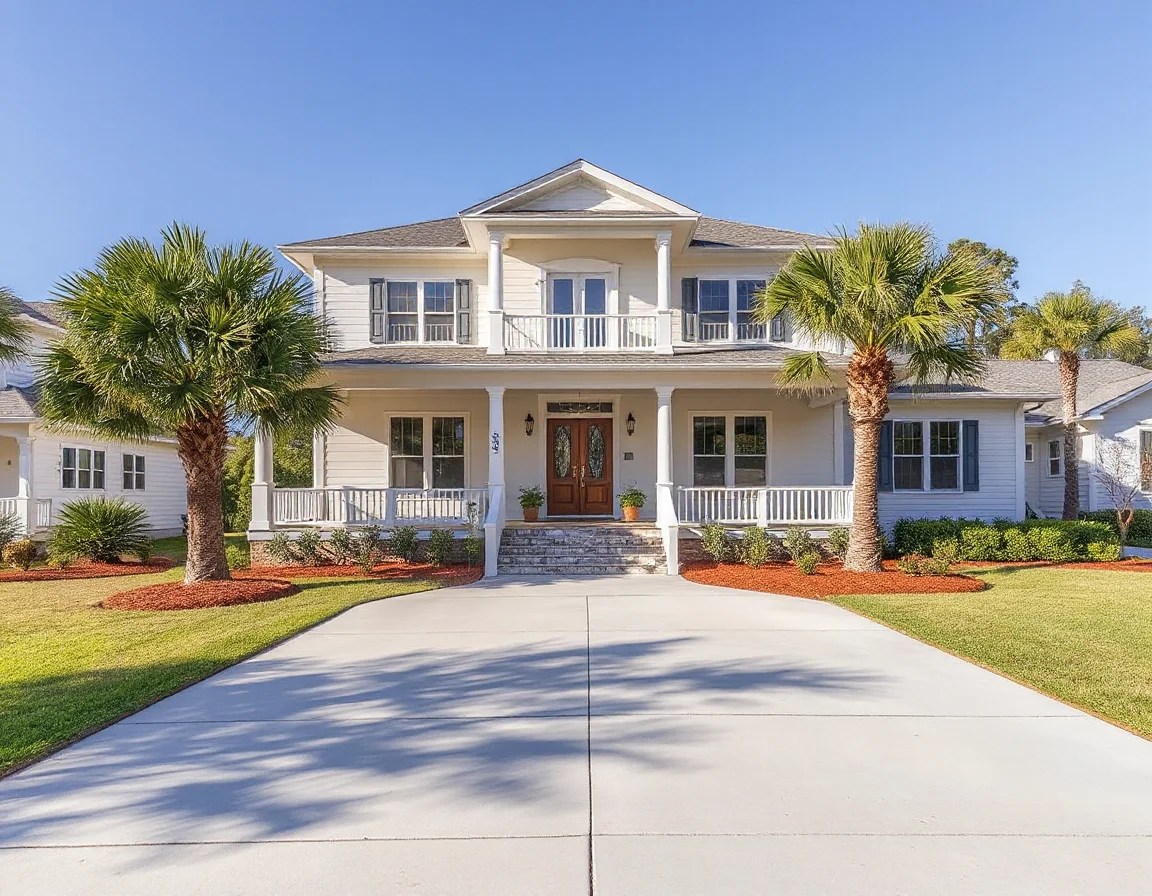
Seasonality can add another layer. Coastal markets may see changing levels of activity throughout the year, but timing alone does not determine the result. Well-prepared homes can attract attention in different seasons, and motivated buyers may remain active even when the number of new listings is modest. Looking at several months of pending and closed activity, rather than one short window, gives a more balanced view of demand.
Buyers should also be ready for the fact that two similarly sized homes can have very different price positions. Square footage is only one part of the picture. Site orientation, natural light, outdoor amenities, construction quality, parking configuration, elevation, maintenance history, and the relationship to the beach or surrounding waterways can all influence how a home is evaluated.
A useful pricing conversation starts with recent comparable properties, then adjusts for the features that cannot be captured by bedroom count or square footage alone.
Search Sullivan’s Island listings
Questions to Ask Before Making an Offer or Setting a Price
Before acting, buyers can benefit from reviewing the listing details carefully and planning a thorough due-diligence process. Coastal ownership may involve questions about flood zones, elevation certificates, insurance availability and cost, drainage, roof age, wind mitigation features, septic or sewer connections, and permits for past work. These are not reasons to avoid a property; they are part of understanding the complete ownership picture and making an informed comparison.
Sellers can use the same lens before launching a listing. Gather records for improvements, permits, maintenance, insurance-related upgrades, and systems work. Address visible repair items where practical, and make sure the home’s strongest features are easy to understand in marketing materials and during showings. A concise explanation of significant investments can help prospective buyers evaluate condition with greater clarity.
Both sides should keep an eye on the active competition as well as the closed sales. Active listings show the choices buyers can consider now; pending listings may provide clues about current activity; and closed sales reveal where buyers and sellers recently reached agreement. Each category answers a different question, and all three are more useful together than separately.
A Practical Way to Move Forward
The best next step is to replace broad assumptions with property-specific information. If you are considering a purchase, identify the homes that align with your goals and compare them against recent transactions with similar location and condition. If you are preparing to sell, review how your property competes today—not just how a nearby home performed months ago. Market conditions evolve, and the most relevant evidence is always local, current, and specific.
Sullivan’s Island offers a market shaped by coastal setting, architectural variety, and limited supply. Whether inventory is expanding, contracting, or simply changing in character, a careful review of comparable properties and ownership considerations can turn uncertainty into a clearer plan. With a focused strategy, buyers and sellers can respond to the market they have rather than the market they assume exists.