
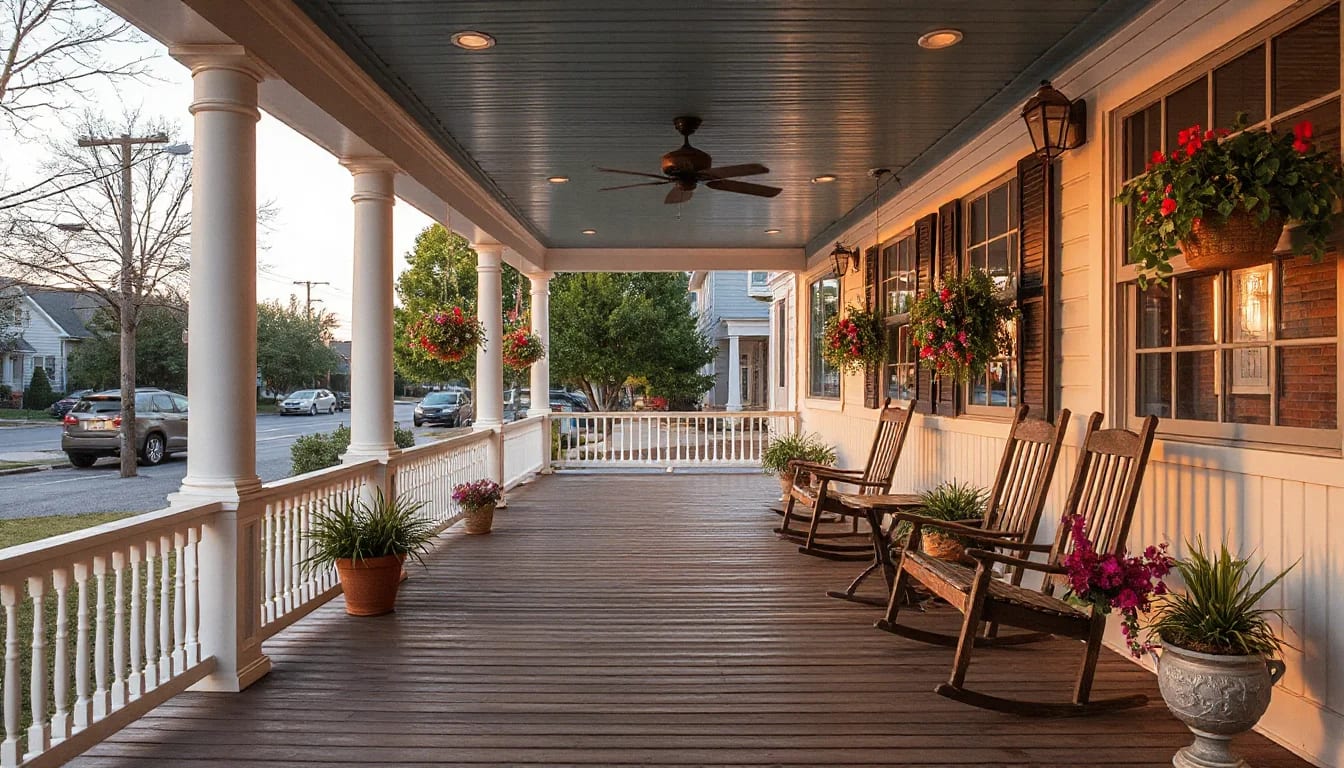
Buying in Old Village is about more than finding a beautiful address: it is about understanding historic character, lot conditions, flood considerations, renovation scope, and the pace of a limited inventory market. A clear search strategy and careful due diligence can help you evaluate each opportunity with confidence while keeping the process focused on your priorities.
Begin With the Character of Old Village
Old Village in Mount Pleasant offers one of the Charleston area’s most recognizable residential settings, with mature live oaks, historic streetscapes, deep porches, and a mix of older cottages, renovated homes, and newer construction designed to complement the area’s established architectural character. Its location near Charleston Harbor, Shem Creek, Sullivan’s Island, and central Mount Pleasant makes it a compelling place to begin a home search—but it is also a market where details matter. Two homes with a similar bedroom count can have very different lot dimensions, construction eras, insurance needs, renovation histories, and long-term maintenance expectations.

The first step is defining what you value most. Some buyers are drawn to original architectural elements such as heart-pine floors, fireplaces, high ceilings, and traditional piazzas. Others prefer a more recently built or substantially updated property with modern mechanical systems, open living areas, and current finishes. Neither approach is automatically better; the right fit depends on how much ongoing preservation, updating, and project coordination you want to take on after closing.
It is also useful to separate “must-have” features from preferences early. Consider the number of bedrooms and bathrooms, first-floor living needs, work or hobby space, parking, storage, outdoor areas, and whether a detached structure or guest space is important. In an established neighborhood, lot configuration and home placement can shape daily use just as much as interior square footage. Reviewing the survey, setbacks, access points, and any recorded easements before becoming too attached to a property can save time later.
In Old Village, a home’s age and visual appeal are only part of the picture. Confirming its lot, elevation, systems, and improvement history can be just as important as comparing finishes.
Because inventory can be selective, preparation matters. A current pre-approval, realistic purchase parameters, and a willingness to review new listings promptly can make the search less stressful. Buyers should also account for the full ownership picture, including property taxes, insurance, utilities, maintenance reserves, and any anticipated improvements. A well-planned budget creates room to assess a home thoughtfully rather than reacting to the pressure of a fast-moving listing.
Evaluate Historic Homes With a Practical Lens
Historic and older homes can offer exceptional craftsmanship and atmosphere, but they deserve a thorough evaluation. Construction methods, prior renovations, foundation conditions, roofing materials, plumbing, electrical systems, insulation, windows, and HVAC equipment may vary widely from one property to another. A renovated kitchen or freshly painted exterior is valuable, yet it should not replace careful inspection of the components that protect the home over time.
During due diligence, ask for available records related to permits, renovations, additions, roof replacement, drainage work, pest treatment, and major system upgrades. If the property has been expanded or reconfigured, it is helpful to understand when the work was completed and whether documentation is available. A qualified home inspector can identify visible concerns, while specialized inspections may be appropriate for foundation, moisture, chimney, electrical, plumbing, roof, or structural questions that emerge during the process.

Water management should be part of the conversation for any coastal Lowcountry purchase. Review the property’s flood zone designation, elevation information when available, drainage patterns, and insurance options with appropriate professionals. Walk the exterior after a rainfall if timing allows, and look closely at grading, gutters, downspouts, crawlspace access, and the condition of exterior materials. These details do not determine whether a property is right for you on their own, but they help form a realistic view of ownership and future maintenance.
Buyers considering substantial renovations should also investigate the practical path before closing. That can include speaking with contractors, reviewing zoning information, understanding applicable preservation or design review requirements, and confirming the feasibility of additions, accessory structures, pools, or other desired improvements. Historic context can be a major part of Old Village’s appeal, and thoughtful planning helps protect both your budget and your timeline.
Search Old Village, Mount Pleasant listings
Look Beyond the Front Door
A confident buying decision includes experiencing the surrounding area on your own terms. Spend time observing travel routes to destinations that matter to you, whether that means central Charleston, nearby beaches, medical services, public spaces, or the amenities of Mount Pleasant. Visit at different times of day to get a better understanding of traffic patterns, parking, lighting, outdoor activity, and the rhythm of the streets near a particular property.
Old Village’s proximity to waterfront settings, public parks, walking routes, and Shem Creek is part of its geographic appeal. The area’s established streets also place a premium on simply understanding where a home sits within the neighborhood. A property near a busier route may offer a different experience from one on a smaller residential street; a home near marsh or harbor frontage may come with a different set of views, exposure conditions, and maintenance considerations. Comparing these factors side by side will make your eventual decision more grounded.
When touring, bring a simple checklist and take notes immediately after each visit. Record impressions about natural light, room flow, storage, noise levels, exterior condition, parking, landscaping, and the condition of nearby infrastructure. Photographs can help, but your written observations will be especially useful once several homes begin to blend together. Revisiting a leading option before writing an offer can also provide valuable perspective.
Make the Offer Process Deliberate
Once you identify a home that aligns with your goals, an offer should reflect both the property and the current conditions around it. Recent comparable sales, active competition, time on market, condition, renovation quality, lot characteristics, and seller preferences can all influence strategy. Price is important, but it is not the only term that can matter. Financing structure, due-diligence timing, earnest money, closing date, requested personal property, and repair expectations may affect how an offer is received.
A strong approach is not necessarily the most aggressive one. It is the approach that clearly states your terms, protects appropriate investigation periods, and fits your financial comfort level. Before submitting, revisit your maximum purchase price and confirm that you understand the estimated cash needed for closing, inspection costs, insurance, and potential near-term repairs or updates. Maintaining that discipline helps you move forward with clarity if negotiations become active.
For buyers considering waterfront, luxury, historic, or extensively renovated homes, a concierge-level process can be particularly helpful. Coordinating inspectors, insurance conversations, contractors, lenders, and other local professionals early can turn a complex timeline into a more manageable series of decisions. The goal is not to rush; it is to have reliable information available when choices need to be made.
Move Forward With Confidence
Buying a home in Old Village rewards curiosity and preparation. The neighborhood’s architecture, coastal setting, and established streets make each property distinct, so the best search is one that balances emotional connection with disciplined due diligence. Take time to understand the home’s condition, the property’s physical characteristics, your financing options, and the practical details of living there.
With a focused wish list, a ready financial plan, and experienced guidance through inspections and negotiations, you can evaluate Old Village opportunities with greater confidence. The right home is not simply the one that looks memorable during a first tour—it is the one that supports your goals after you have considered the details that matter most.