
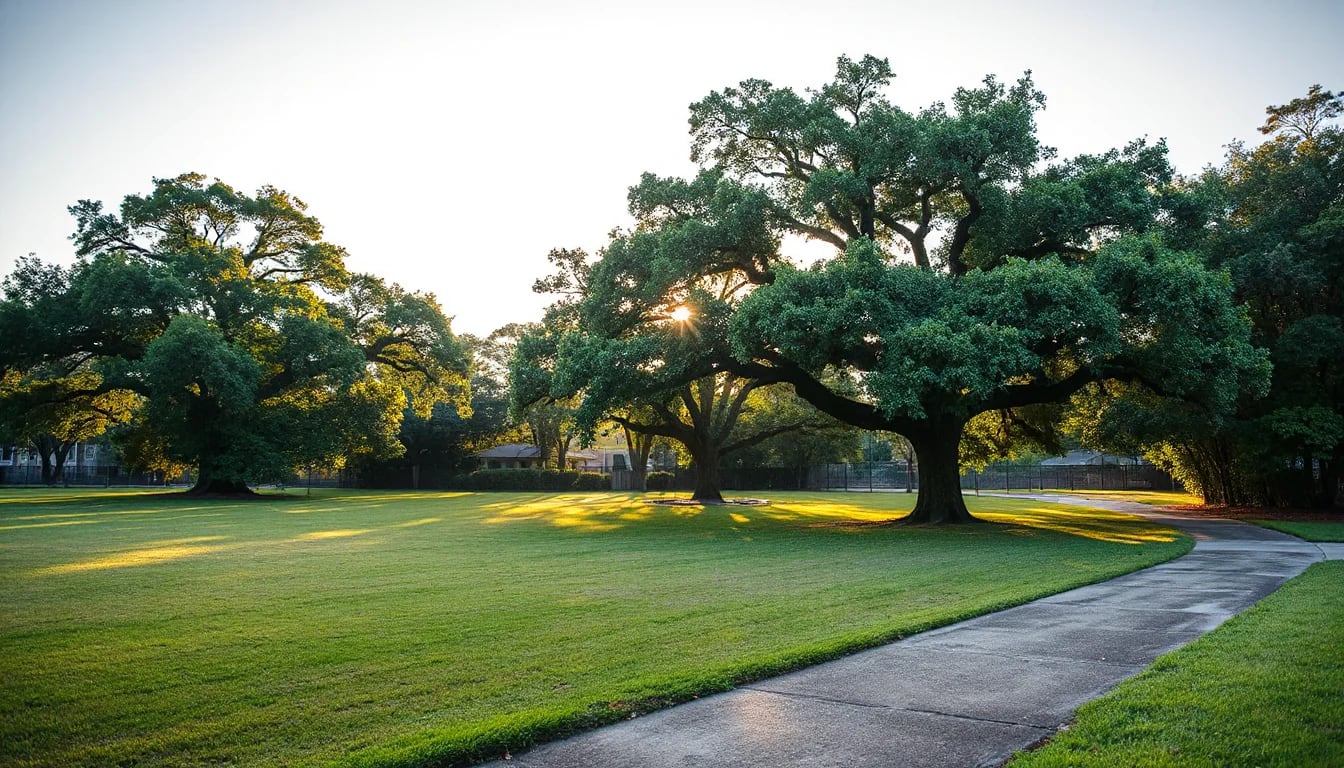
Isle of Palms brings together Atlantic shoreline, Intracoastal Waterway access, and a compact collection of local dining destinations in one coastal setting. Whether you are planning a day by the water or comparing coastal real estate options, understanding the island’s beach access, marina facilities, and everyday amenities can help you experience the area with more confidence.
A Coastal Day Begins at the Beach
On Isle of Palms, the Atlantic Ocean is not merely a backdrop—it shapes the rhythm of the day. Public beach access points are located along the island, connecting visitors and residents to broad stretches of sand, rolling surf, and changing views of the Charleston coastline. Early morning brings softer light and cooler temperatures, while late afternoon often draws walkers, anglers, and beachgoers looking to catch the colors over the water.

The beach experience changes with the season, tide, and weather. Some days are made for a long walk near the waterline; others are better suited to setting out a chair, reading under an umbrella, or simply watching the horizon. Conditions can shift quickly along the coast, so checking tide charts, surf advisories, parking guidance, and local beach regulations before heading out is a practical part of planning the day.
For property owners and prospective buyers, proximity to the shoreline is only one part of the picture. Access routes, elevation, flood-zone information, insurance considerations, dune protection rules, and maintenance needs can all influence how a coastal home is used and cared for. A house a few blocks from the ocean may offer a different daily routine and ownership profile than an oceanfront residence, even when both are on the same island.
On a barrier island, the most useful property comparison is rarely just distance to the beach—look closely at access, lot position, elevation, water exposure, and the systems that protect the home from coastal weather.
Isle of Palms also offers a coastal landscape that rewards unhurried exploration. Sea oats along protected dune lines, salt air moving through palmettos, and pelicans tracing the water create a setting that feels distinctly Lowcountry. These natural features are part of the island’s appeal, but they also deserve care. Staying on designated paths and observing posted dune protections helps preserve the shoreline environment that makes the area so memorable.
Marina Access, Waterways, and Boating Logistics
On the western side of the island, the Intracoastal Waterway and nearby tidal creeks add another dimension to life on Isle of Palms. The Isle of Palms Marina provides an established point of access for boaters, anglers, and people arranging time on the water. From this side of the island, the view is markedly different from the oceanfront: marsh grass, docks, tidal movement, and the broad waterway create a quieter visual counterpoint to the surf.
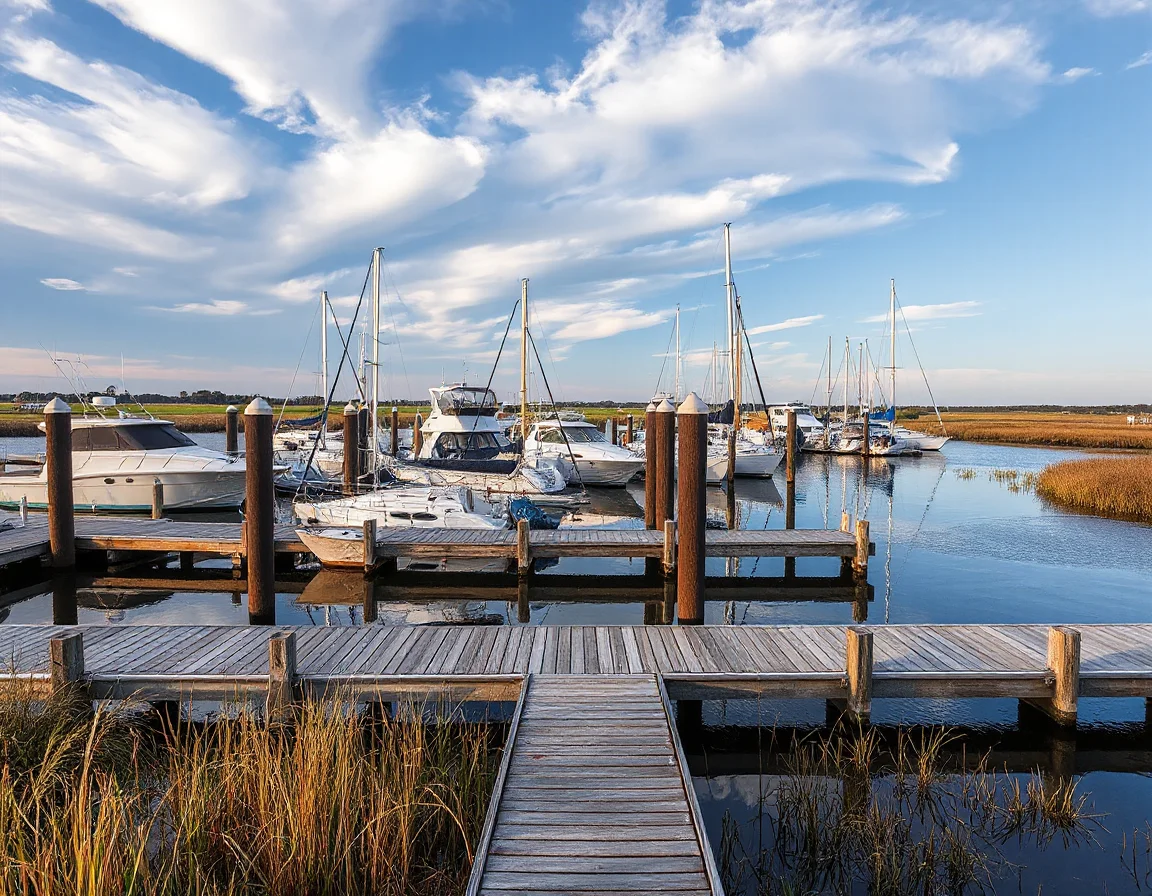
Boating from the island can lead toward Charleston Harbor, the open Atlantic, nearby inlets, and stretches of protected Lowcountry water. The exact route depends on the vessel, weather, tides, navigation knowledge, and destination. Those considering a home with a private dock or community dock access should take time to understand water depth, tidal range, dock permits, maintenance responsibilities, navigation channels, and any applicable association rules.
Waterfront property has a vocabulary of its own. Terms such as deepwater access, tidal creek, marsh view, and dock permit can describe very different conditions from one address to another. A dock that is convenient for launching a paddleboard may not have the same function as a dock suited to a larger boat. Reviewing survey details, permits, insurance requirements, and current conditions helps turn an attractive view into an informed decision.
Fishing, cruising, paddleboarding, and sightseeing are all part of the local waterfront conversation, but the tidal system sets the schedule. A little advance planning can make a major difference, particularly for boat owners coordinating departures, guests arranging a charter, or property owners scheduling dock work. The practical side of coastal recreation is one reason marina proximity can be a meaningful feature when comparing Isle of Palms real estate.
A marina nearby can simplify access to the water, but private-dock ownership calls for a separate review of permits, tide-dependent depth, inspections, and ongoing maintenance.
Local Dining Between the Ocean and the Waterway
Dining on Isle of Palms ranges from casual post-beach stops to polished waterfront meals, with many menus drawing on the seafood traditions of the South Carolina coast. The island’s dining scene is easy to approach without a strict itinerary: a morning coffee, a midday meal after time on the sand, or an evening reservation can all fit naturally into a day spent exploring the area.
Seafood is a familiar centerpiece, often joined by Lowcountry ingredients such as shrimp, local fish, rice, seasonal vegetables, and coastal-inspired sauces. Visitors may also find burgers, sandwiches, tacos, salads, and other familiar options, which makes it simple to choose a meal based on the moment rather than a formal occasion. Availability and hours can vary seasonally, so it is wise to confirm details directly before making plans, especially during holidays and peak travel periods.
Beyond individual meals, the convenience of nearby dining can matter to people evaluating a second home, an investment property, or a primary residence. Walkability, parking patterns, seasonal activity, noise considerations, and access to grocery options can all shape everyday use of a property. These factors are personal and practical rather than one-size-fits-all, which is why an in-person visit at different times of day can be especially useful.
For a fuller Charleston-area dining itinerary, Isle of Palms can also serve as a starting point for excursions toward Sullivan’s Island, Mount Pleasant, and downtown Charleston. Each destination offers a different setting, from harbor views and historic streetscapes to neighborhood gathering places and chef-led dining rooms. The island’s location gives residents and visitors multiple ways to build a day around the coast without losing access to the wider region.
Exploring Isle of Palms Real Estate with the Setting in Mind
Homes and condos on Isle of Palms vary widely in architecture, location, and relationship to the water. Options can include oceanfront residences, beach houses set back from the shoreline, condominium communities, marina-side properties, and homes near golf and resort amenities. Each type of property carries its own considerations, including building materials, rental rules where applicable, association fees, parking, insurance, maintenance, and storm-preparation features.
Charleston Realty and Jayson Wingfield help clients evaluate luxury homes, waterfront properties, luxury condos, and other coastal opportunities with a detailed, service-oriented approach. The goal is not simply to identify a desirable view or a convenient address; it is to help buyers and sellers understand how a property fits their intended use, ownership priorities, and long-term plans. On an island market, details such as outdoor storage, elevator access, covered parking, storm shutters, and dock rights can be just as important as interior finishes.
Spend time on the beach, watch the waterway from the marina, and enjoy a meal that reflects the Lowcountry coast. Taken together, these experiences reveal why Isle of Palms continues to stand apart as a place where ocean views, boating access, and local amenities are part of the daily landscape. A thoughtful visit is often the best first step toward determining which part of the island—and which type of property—matches your real estate goals.