

Preparing a Sullivan’s Island home for market is about more than fresh paint and polished counters. A thoughtful plan can spotlight coastal architecture, preserve the property’s character, and help buyers understand the condition, setting, and day-to-day appeal of the home from their first showing onward. Start early, focus on the details that photographs cannot hide, and make each improvement support a confident pricing and presentation strategy.
Start With a Clear Listing Plan
A strong listing begins well before the photographer arrives. Sullivan’s Island properties often bring together distinctive architecture, salt-air exposure, outdoor living areas, and site-specific considerations such as flood zones, elevation, access, and historic or municipal review requirements. Rather than treating preparation as a generic checklist, build a plan around the particular features of your home, its condition, and the information a buyer will need to evaluate it confidently.

Begin by walking the property as if you were seeing it for the first time. Notice the approach from the street, the condition of the driveway and entry, the sightlines from primary rooms, and the transition from interior spaces to decks, porches, yards, and storage areas. Make a written list, then separate projects into three groups: repairs that should be completed, maintenance items that should be documented, and cosmetic updates likely to improve presentation.
For a coastal home, visible upkeep carries real weight. Look closely at exterior paint, trim, railings, stairs, porch ceilings, gutters, exterior lighting, window seals, screens, decking, and hardware. Salt air and humidity can affect finishes more quickly than in inland locations, so addressing small signs of wear can help the home appear carefully maintained. If a larger item is nearing the end of its useful life, gather available service records, estimates, warranties, or inspection information rather than allowing uncertainty to become the focus of a showing.
The most effective pre-listing work is often practical rather than dramatic: a repaired screen, clean porch fan, functioning exterior light, and orderly storage area can reinforce the same message as a major update—this home has been cared for.
It is also a good time to collect documents. Depending on the property, that may include recent utility information, survey materials, elevation certificates, insurance details, improvement permits, maintenance invoices, transferable warranties, and records for systems such as roofing, HVAC, irrigation, generators, docks, or pools. Buyers should always perform their own due diligence, but organized information can make the process easier and reduce avoidable delays.
Make the Exterior Feel Intentional
Curb appeal is not simply about adding color. It is about helping buyers read the property clearly from the moment they arrive. Trim back landscaping that blocks architectural features, refresh mulch or shell paths where appropriate, remove fallen fronds and debris, and make sure house numbers, pathways, gates, and exterior fixtures are easy to see. Keep the landscape polished but natural; the goal is to highlight the setting without making it look overdesigned.
Porches and decks deserve the same attention as interior rooms. Sweep thoroughly, wash outdoor furniture, remove damaged planters, and create usable groupings that show how each area can function. A few well-placed chairs and a simple table can define a covered porch, while a cleared deck can emphasize its scale and connection to the home. Avoid crowding outdoor spaces with excess furnishings, maintenance supplies, or recreational equipment.
Before listing, test every exterior-facing element a buyer may notice: gates, hose bibs, outdoor showers, lighting, ceiling fans, stair rails, garage doors, storage doors, and irrigation controls. For waterfront or water-adjacent properties, confirm that any dock, walkway, bulkhead, or boat-lift information is accurately described and supported by available records. Details matter, especially when they are part of the property’s value proposition.
Create Rooms That Photograph Beautifully
Once the exterior is underway, shift attention indoors. Professional listing photography captures light, proportion, and flow, but it also captures clutter, dated accessories, and unfinished projects. The objective is not to erase personality completely. Instead, simplify each room so buyers can understand its size, architectural features, and relationship to the spaces around it.
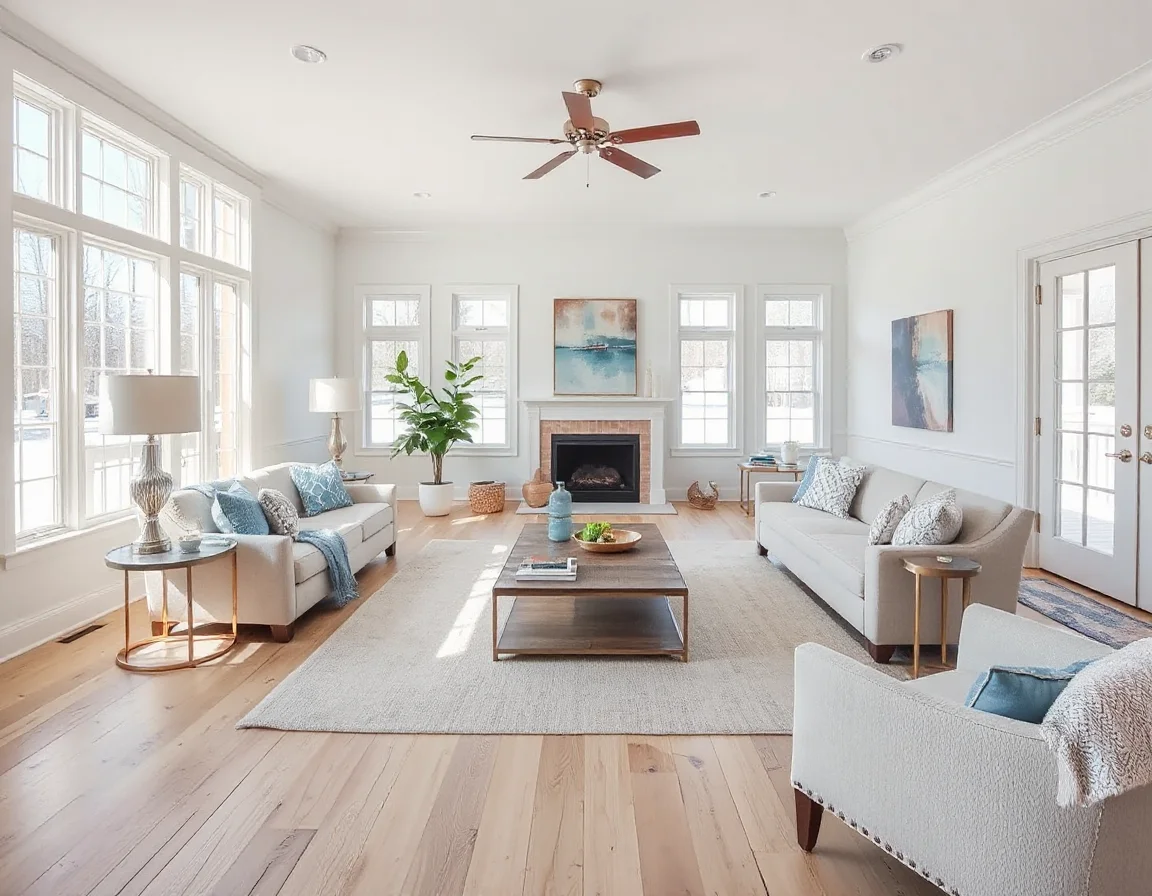
Start with the rooms that anchor daily living: the entry, living room, kitchen, primary bedroom, and main outdoor access points. Remove excess furniture that constricts walkways, clear most personal photographs and countertop appliances, and store items that create visual noise. Clean windows inside and out where accessible, because clear glass can make a meaningful difference in rooms that depend on natural light or views.
Kitchens and baths should receive especially careful attention. Clean grout, polish fixtures, repair loose cabinet pulls, replace burned-out bulbs, and clear counters down to a few purposeful accessories. If the kitchen has a distinctive feature—custom cabinetry, a substantial island, a beverage area, or a view toward the porch—make sure that feature is visible rather than hidden behind small appliances and paperwork. In bathrooms, fresh white towels, a clean mirror, and open floor space tend to have more impact than elaborate styling.
Color can be useful when it supports the home’s architectural style. Neutral touch-up paint, a consistent bulb temperature, and edited bedding often go farther than a full renovation. If you are considering a larger cosmetic project, weigh its likely return against current buyer expectations and the home’s price range. Some properties benefit from selective updates; others are best presented honestly with an appropriate condition-based strategy.
Prepare for Showings, Not Just Photos
Photography is a milestone, not the finish line. A home should remain ready for showings throughout the listing period, especially when interest is strongest. Create a simple daily routine: open blinds, turn on selected lamps, secure valuables and medications, empty small wastebaskets, wipe down counters, and keep pet supplies, cords, and personal paperwork out of sight. Ask your listing professional for a showing checklist tailored to the home’s features and schedule.
Temperature and comfort deserve attention in the Lowcountry climate. Set the home at a reasonable indoor temperature before appointments, make sure ceiling fans operate properly, and address any musty or damp odors rather than masking them with heavy fragrance. Fresh air, clean surfaces, and an orderly home usually make a more convincing impression than scented products or overly elaborate staging.
Buyers often remember how a home felt as much as how it looked. Bright rooms, working systems, clean storage areas, and an easy showing experience can strengthen the impression created by professional photographs.
If the property has an attic, under-home enclosure, garage, workshop, utility room, or storage shed, include those spaces in the preparation plan. They may not lead the photo gallery, but they can influence a buyer’s sense of maintenance and functionality during an in-person tour. Sweep them out, remove items you do not need to keep on site, label systems where helpful, and make access straightforward.
Price, Disclosure, and Timing Work Together
Presentation alone cannot compensate for an unclear pricing approach. A confident listing strategy considers recent comparable sales, active competition, property condition, location, lot characteristics, improvements, and the changing pace of the market. On Sullivan’s Island, homes may differ significantly in architectural style, proximity to the beach, lot configuration, water orientation, and renovation history. That makes a careful comparison process more valuable than relying on broad averages.
Be candid about the property’s condition and provide required disclosures accurately. If you know of repairs, water intrusion, system issues, prior insurance claims, or other material details that should be addressed, discuss them early with qualified real estate and legal professionals. Early clarity allows you to decide whether to repair, disclose, price accordingly, or prepare supporting documentation. It also helps prevent last-minute surprises once a buyer begins inspections and review.
Timing should support readiness. Listing before the property is fully prepared can lead to rushed photos, missed maintenance items, and showings that do not reflect the home at its best. A short period of deliberate preparation can be worthwhile when it results in stronger marketing materials, a cohesive story, and a smoother buyer experience. Coordinate photography, cleaning, staging, landscaping, and any contractor work so the home is complete before it reaches the market.
Explore Sullivan’s Island listings
Let the Home’s Best Features Lead
The final goal is simple: make it easy for buyers to recognize what is special about the property. That may be a gracious porch, a thoughtfully renovated kitchen, a generous outdoor area, original architectural details, a water view, or the practical benefit of well-documented maintenance. When preparation, pricing, and marketing are aligned, each showing can feel clear, polished, and credible.
Thoughtful guidance can help sellers decide which projects matter, which can wait, and how to present a property without overinvesting. With a detailed pre-listing review and a well-organized plan, your Sullivan’s Island home can enter the market prepared to make a strong first impression and support a confident next step.