

A day on Sullivan’s Island can move easily from a quiet shoreline walk to a long lunch, a stop at a Revolutionary War landmark, and an evening drive back across the marsh. This guide highlights what to notice before you go, from beach access and dining rhythms to the historic sites that give the island its distinct sense of place. If you want a fuller picture of the area beyond the sand, this is a practical place to start.
Why Sullivan’s Island Feels Different
Just across the water from Mount Pleasant, Sullivan’s Island offers a coastal setting that feels relaxed without losing its depth. The beach is the obvious draw, but the island’s appeal comes from how many experiences fit into a small footprint: broad ocean views, maritime history, local dining, and quiet residential streets lined with a mix of classic beach cottages and substantial custom homes. It is the kind of place where a visit can be simple, but never flat.
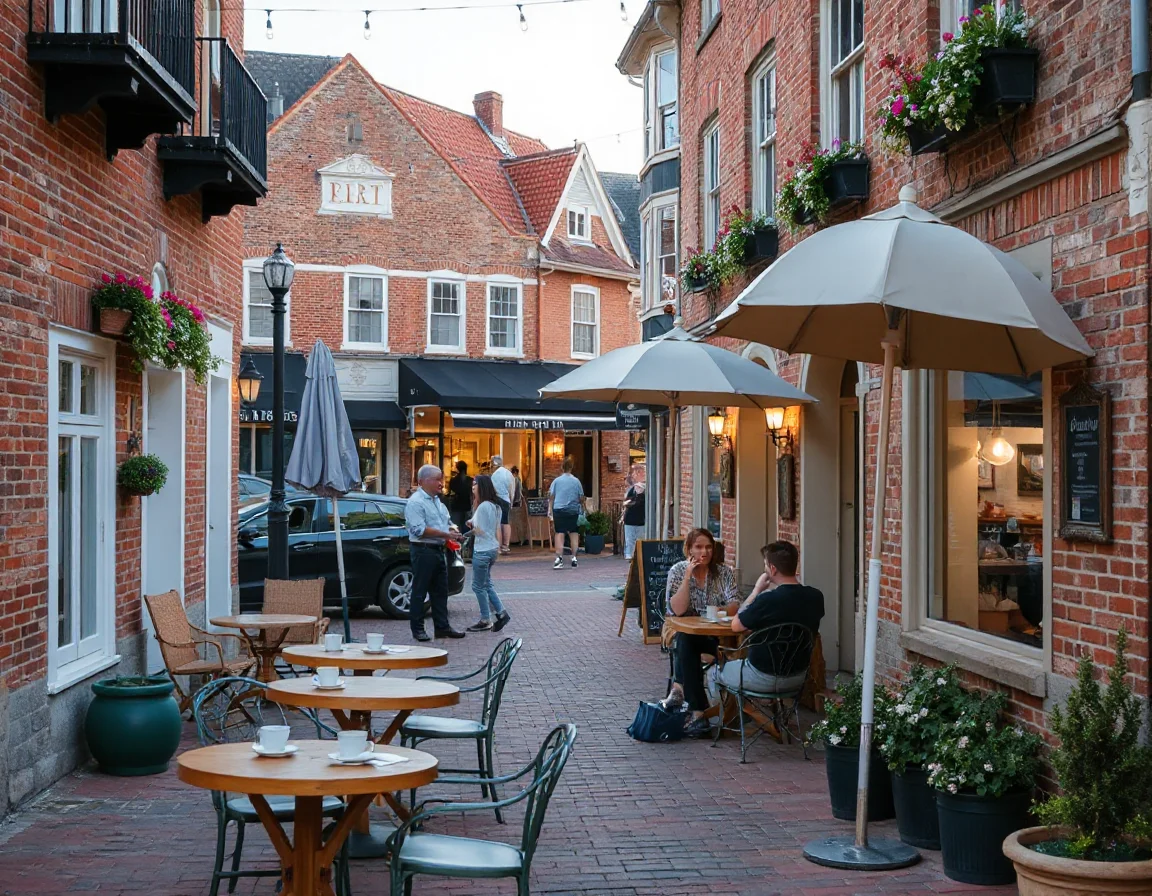
Part of that character comes from scale. There are no high-rise rows dominating the shore, and much of the island experience happens at street level: beach paths through the dunes, porches facing sea breezes, and small clusters of gathering spots where people linger rather than rush through. For visitors exploring the Charleston coast, that combination of openness and architectural restraint often leaves a strong impression.
The setting also rewards slower exploration. Instead of trying to check off every stop in one afternoon, it helps to think of the island in layers. Start with the shoreline, then turn inland to appreciate the homes, public spaces, and historic landmarks that shaped the community over time. That slower pace makes it easier to understand why Sullivan’s Island is often discussed as both a beach destination and a place with enduring real estate appeal.
Parking, beach access, and restaurant wait times can shift quickly with weather and season. Earlier morning arrivals usually make it easier to enjoy both the shoreline and a meal without feeling rushed.
The Beaches: What to Notice Beyond the Sand
Sullivan’s Island beaches are known for their natural look and relatively uncluttered feel. The shoreline stretches with room for long walks, and the rhythm of the island changes with the tide, wind, and light. On some visits the draw is as simple as watching the surf roll in; on others, it is the changing perspective of nearby inlets, the lines of dunes, and the views back toward Charleston Harbor.
Because beach access points are woven into a residential setting, the experience feels more integrated with the island than separated from it. Walking from a side street to the ocean gives you a quick sense of the community fabric: mature landscaping, varied home styles, and the proximity between everyday living and the waterfront environment. For buyers researching coastal property, that relationship between homes and shoreline access is often one of the most compelling things to observe in person.
Conditions can vary meaningfully from one end of the island to the other. The stretches nearer the inlet and harbor offer a different visual mood than the open Atlantic side, and changing tides can reshape how wide the sand feels at any given hour. Bringing that awareness into a visit makes the island more interesting, especially for anyone comparing it with nearby coastal areas such as Isle of Palms or Folly Beach.
Search Sullivan's Island listings
It is also worth paying attention to practical details like access routes, parking rules, and how traffic moves at peak times. Those small logistics affect daily enjoyment just as much as scenery does. For someone considering future ownership, understanding the cadence of arrivals, departures, and seasonal patterns can be just as useful as admiring the view.
Local Dining That Matches the Island’s Pace
Dining on Sullivan’s Island tends to complement the setting rather than compete with it. Instead of a sprawling commercial strip, you will find a compact collection of established spots that draw locals and visitors for seafood, casual meals, and laid-back evenings out. The atmosphere generally leans comfortable and polished, with an emphasis on quality and location over spectacle.
That matters because dining here often becomes part of the day’s rhythm, not just a stop between activities. A beach morning can turn into lunch without much transition, and dinner can feel like a natural extension of time spent outdoors. The island’s smaller scale encourages that kind of continuity. You are rarely far from the water, and even inland tables still feel connected to the coastal environment through breezes, light, and easy walking distances.
For home buyers exploring the area, local dining also provides a useful window into daily life. It shows how the island functions outside listing photos and market reports. Watching the lunch crowd, the evening turnover, or the flow of weekend visitors offers clues about seasonality, convenience, and how public spaces are actually used. Those observations can help contextualize home values in a place where location is experienced as much as measured.
The best approach is to stay flexible. Popular dining times can fill up quickly, especially when beach weather is favorable. If your plan includes both lunch and historic sightseeing, it often makes sense to anchor one reservation or meal window first and let the rest of the day build around it.
On barrier islands, a short distance on the map can still feel longer once parking and weekend traffic are factored in. Combining your beach stop and meal in one part of the island often makes the day smoother.
Historic Landmarks That Give the Island Context
Sullivan’s Island is not only scenic; it is deeply tied to Charleston’s military and maritime history. Fort Moultrie is the best-known landmark, and it gives visitors a tangible way to connect the island’s present-day coastal beauty with centuries of strategic importance. The site reflects multiple eras of defense and development, making it one of the most significant places to visit if you want more than a beach day.
Exploring the fort changes how the island reads afterward. Streets, water views, and shoreline positions begin to feel less incidental and more connected to the history of harbor protection, shipping routes, and regional growth. That extra context is especially valuable for people who appreciate historic homes or neighborhoods shaped by long-term preservation patterns. On Sullivan’s Island, history is not isolated in one museum block; it influences the island’s identity as a whole.

Nearby landmarks and commemorative sites add to that experience, particularly for visitors interested in American history, preservation, and the coastal landscape around Charleston Harbor. Even if you only spend an hour on the historic side of the island, it creates a more complete impression of the community. The beaches may bring people over the bridge first, but the landmarks often explain why the island feels so memorable once they arrive.
Architecture reinforces the story. Residential properties range from older island houses with time-tested proportions to newer custom builds designed for light, views, and elevated construction. Looking at those homes while understanding the island’s environmental and historical setting makes the market easier to interpret. Here, design choices are closely tied to weather, topography, and legacy.
Planning a Well-Rounded Visit
The most satisfying Sullivan’s Island outing usually mixes a few simple elements rather than trying to over-schedule the day. A beach walk, a meal, and one historic stop are often enough to leave with a real feel for the island. That balance lets you experience both the sensory side of the coast and the underlying reasons the area continues to draw attention from buyers looking for waterfront, historic, or luxury property in the Charleston area.
If your interest goes beyond visiting, spend some time noticing details that matter in everyday ownership: how close homes sit to access paths, what different blocks feel like, how landscaping responds to the coastal environment, and where the island transitions from broad ocean exposure to more protected harbor and marsh views. Those small distinctions can have a major impact on both lifestyle and value.
For many people, Sullivan’s Island stands out because it offers more than one reason to return. The shoreline is beautiful, the dining scene is easy to enjoy, and the historic landmarks give the area unusual depth for a barrier island setting. Taken together, they create a place that feels both timeless and highly specific to coastal South Carolina—one worth exploring carefully, not just quickly.