
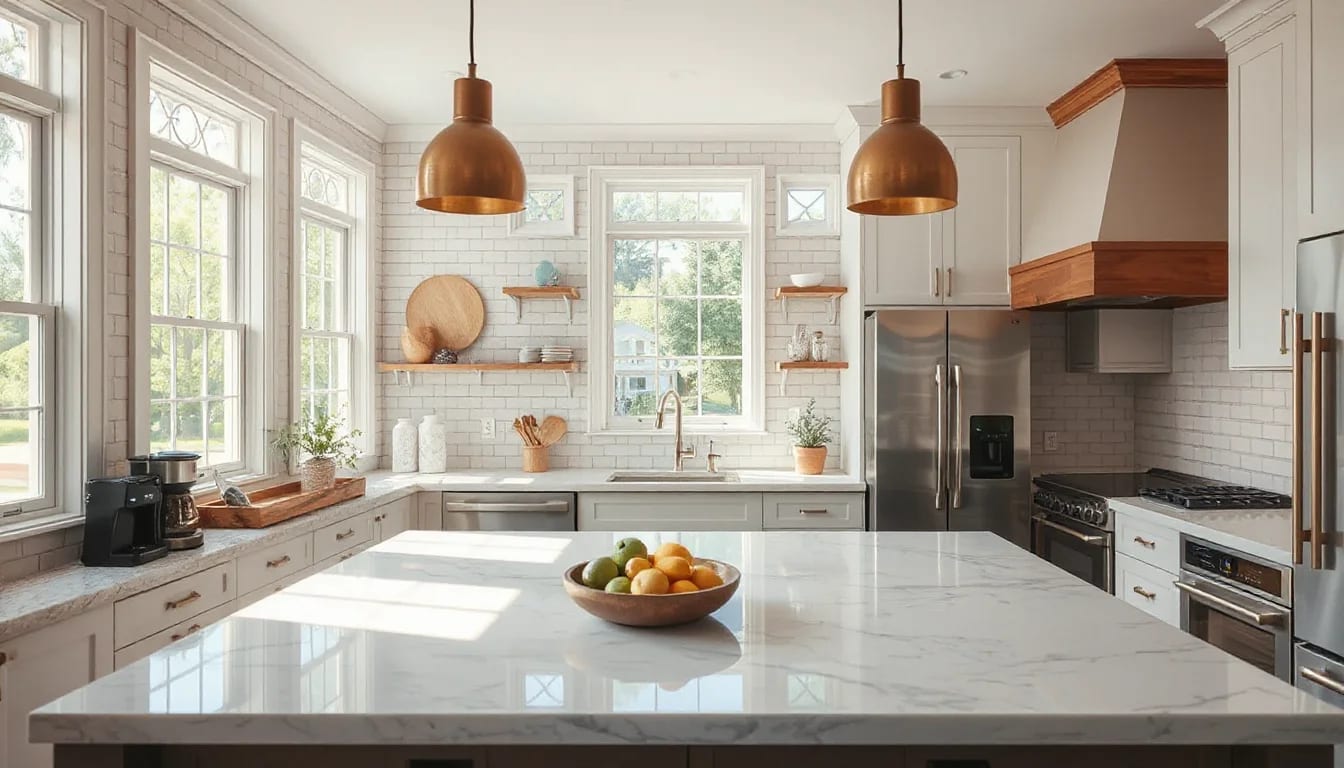
Kitchen updates can influence how a home feels the moment a buyer steps inside, but not every project deserves the same budget. In Mount Pleasant, practical improvements like fresh finishes, better lighting, and cohesive appliances often stand out more than ultra-custom renovations. This guide breaks down which upgrades tend to get noticed, where sellers can spend more carefully, and how to create a cleaner, more current impression before listing.
What buyers tend to notice first in a kitchen
When people tour a home, the kitchen often works like a shortcut to the rest of the property. If it feels bright, functional, and well maintained, buyers often assume the home has been cared for in other areas too. If it feels dated or heavily personalized, they may start mentally adding future costs before they have even seen the bedrooms, baths, or outdoor space.
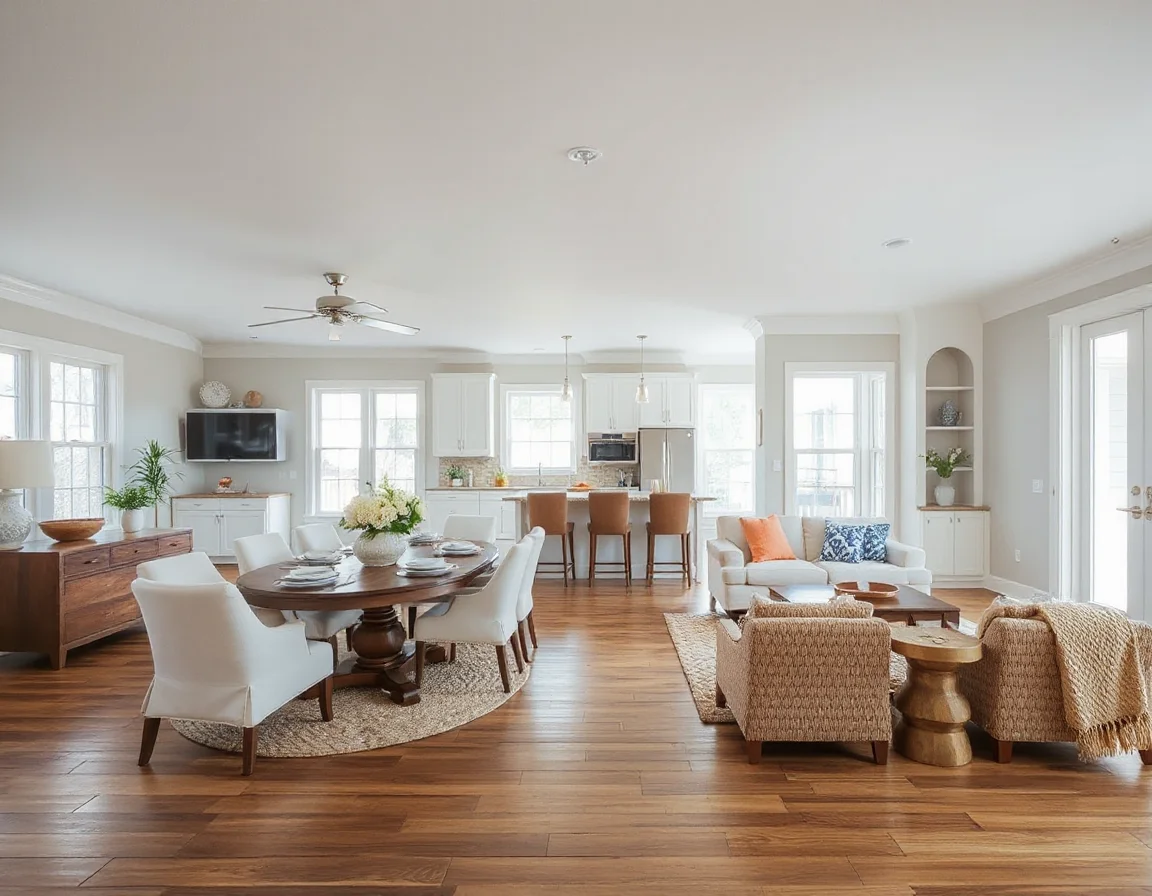
That does not mean every seller needs a full remodel. In many Mount Pleasant homes, the details that catch attention are surprisingly straightforward: cabinet condition, counter material, appliance consistency, backsplash style, and whether the lighting makes the room feel open. Even small signs of wear such as chipped paint, dated hardware, mismatched finishes, or limited task lighting can stand out during a showing.
Layout also matters. Buyers usually respond well to kitchens that feel easy to navigate, with clear prep areas and enough visual breathing room. If the room is crowded with extra furniture, countertop appliances, or decorative items, the space can read smaller than it really is. Good preparation is often less about adding more and more about editing what is already there.
A kitchen does not have to be brand new to make a strong impression. Clean sight lines, matching finishes, and strong lighting can deliver more visible impact than a high-cost remodel with a weak plan.
Upgrades that often deliver the best return on attention
For many sellers, the smartest approach is to focus on improvements that photograph well, show well in person, and feel current without overbuilding for the price point. Cabinet painting is high on that list. A professional finish in a neutral tone can quickly modernize a kitchen and help the room feel brighter, especially in homes with older wood cabinetry that is structurally sound but visually heavy.
Countertops are another feature buyers notice quickly. If laminate is worn or patterned in a way that dates the room, replacing it with a simpler stone-look surface or quartz can make a major difference. Likewise, changing an old backsplash to something clean and understated can update the space without changing the entire footprint.
Lighting deserves more attention than it usually gets. Recessed lights, updated pendants over an island, and under-cabinet lighting can make the kitchen look more functional and more polished at the same time. Sellers should also check bulb color temperature; a mix of warm and cool bulbs can make the room look uneven in person and in listing photos.
Appliances can help or hurt the overall picture. They do not always need to be top-of-the-line, but buyers often notice when the refrigerator, range, and dishwasher look like they belong together. A kitchen with one black appliance, one white appliance, and one stainless appliance can feel pieced together, even if everything works well.
Search Mount Pleasant SC listings
Where sellers can save money without hurting appeal
Not every improvement has to be expensive to be effective. Sellers can often skip major structural changes unless the current layout is truly awkward. Moving plumbing, removing walls, or relocating appliances can add cost quickly, and those projects are not always recovered in the sale price. In many cases, cosmetic improvements and smart staging do enough to shift buyer perception.
Hardware, faucets, paint, and stools are all lower-cost categories where thoughtful choices matter. Replacing ornate or dated cabinet pulls with simpler metal hardware can create a more consistent look. Swapping a heavily stylized faucet for a cleaner profile can do the same. A fresh wall color that connects the kitchen to nearby living areas can also make the entire main level feel more unified.
Sellers should be careful with highly specific trends. Bold tile patterns, unusual color combinations, or custom details that reflect one person’s taste may not help the broadest range of buyers imagine the space as their own. A polished, neutral presentation usually gives the kitchen a longer shelf life in the market.
Before starting a larger project, compare the kitchen’s condition to nearby active and recently sold listings. The goal is often competitive presentation, not the most expensive renovation on the block.
Storage presentation is another place to save while still improving results. Organizing pantry shelves, reducing visible clutter, and clearing countertops can make cabinets and work surfaces feel more generous. Buyers often open doors and drawers, so inside condition matters too. Clean interiors, tidy shelves, and smoothly operating hinges support the impression of a well-kept home.
How local style influences buyer expectations
Mount Pleasant includes a wide range of homes, from established properties with traditional details to newer construction with more contemporary finishes. Because of that mix, the right kitchen strategy often depends on the home’s overall style and price range. In a historic-inspired property, buyers may expect character, but they still tend to appreciate updated surfaces, reliable appliances, and lighting that supports daily use. In newer homes, they often look for a crisp, cohesive finish package that feels current from the front entry to the kitchen and beyond.
Coastal influence matters too, though it works best when it is subtle. Light cabinetry, airy paint colors, natural textures, and reflective surfaces often feel at home in the Mount Pleasant market. The strongest kitchens usually connect with the region’s bright indoor-outdoor feel without becoming overly themed. Sellers can create that effect with finish choices and staging rather than expensive redesign.
It is also worth considering how the kitchen relates to outdoor living. In an area where porches, patios, and entertaining spaces are a real part of the lifestyle, buyers may pay attention to the flow between the kitchen and adjacent spaces. Clear walkways, easy access to a breakfast area or porch, and uncluttered sight lines can help that connection read more naturally during showings.
A practical pre-listing kitchen checklist
Before putting a home on the market, sellers can use a simple kitchen checklist to prioritize what matters most. Start with repairs: fix loose hardware, sticky drawers, broken light fixtures, damaged grout, and any plumbing drips. Then move to presentation: deep clean cabinets, counters, appliances, and floors; remove magnets and papers; and cut back countertop items to just a few intentional pieces.
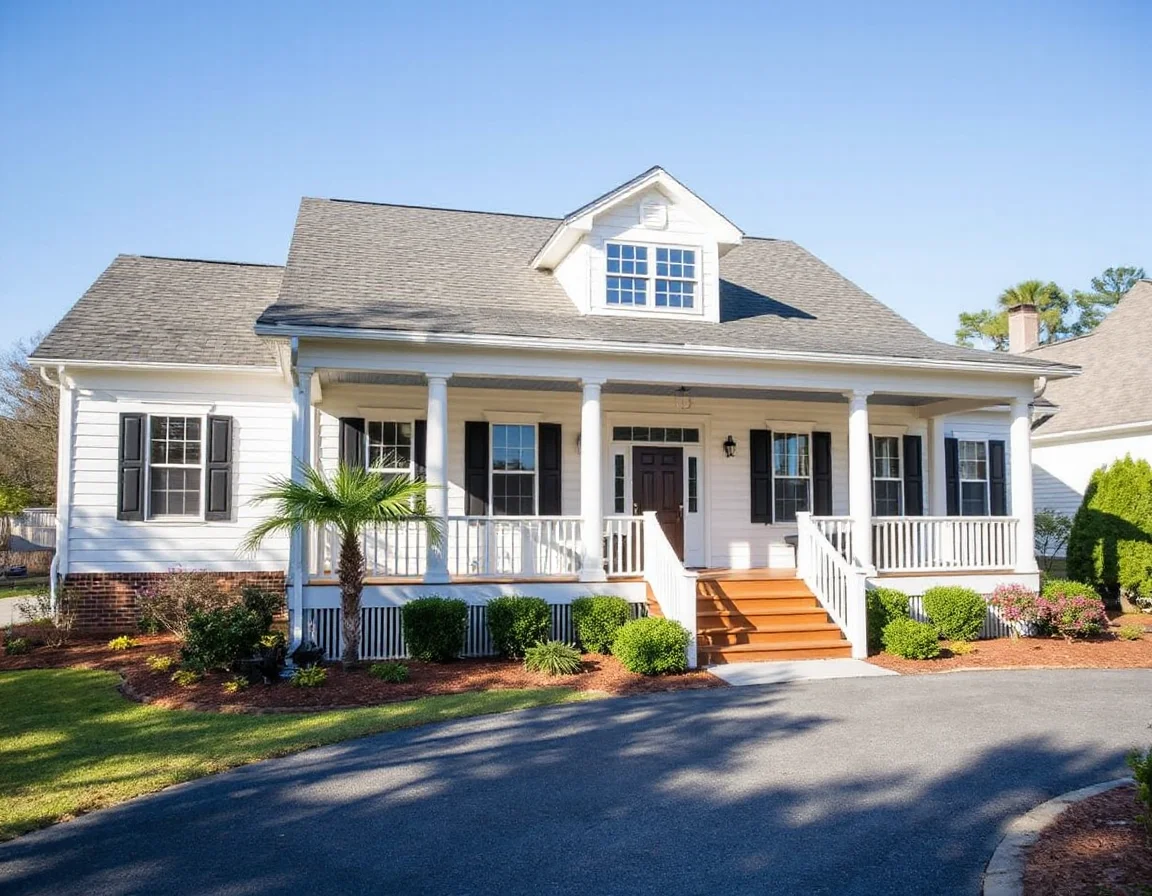
Next, evaluate visual consistency. Do metals match closely enough? Are the appliance finishes coordinated? Does the paint still look fresh? Is the backsplash helping the room or aging it? These are the questions buyers answer almost instantly when they walk in, even if they never say them out loud.
Finally, think about the kitchen as part of the home’s overall story. A beautifully updated kitchen can lose impact if the adjoining dining area is overcrowded or the living space next to it feels tired. The best results usually come from a balanced plan that improves the kitchen while keeping nearby rooms aligned in color, condition, and style.
For sellers in Mount Pleasant, the most effective kitchen upgrades are often the ones that make the room feel lighter, cleaner, and easier to picture in daily use. Focus on visible condition, coherent finishes, and practical improvements first. That approach can help buyers remember the home for the right reasons and help sellers spend where it counts most.