

Buying on Seabrook Island often means evaluating more than price per square foot. Insurance costs, HOA and regime fees, gate access, and property-use rules can all shape the true monthly cost and day-to-day ownership experience. This guide breaks down the questions worth asking before you write an offer so you can compare homes with more confidence.
Start With the Costs Beyond the Mortgage
On Seabrook Island, the headline price is only part of the story. Many buyers focus first on bedrooms, views, and finishes, but the more useful comparison often comes from the full ownership picture: homeowners insurance, flood and wind coverage, annual or monthly association fees, transfer charges, and any ongoing club-related obligations if they apply to a specific property. Asking these questions early can help you avoid surprises after inspection or just before closing.

A smart first question is simple: What is the total monthly carrying cost? That means principal and interest if financed, property taxes, insurance, HOA or regime fees, and any recurring maintenance items that are common for coastal ownership. A villa, cottage, or detached home may each have a different cost structure even when listing prices appear close together. In some cases, a property with a higher purchase price may have more manageable monthly obligations than one with lower entry pricing but significantly higher insurance or association costs.
It also helps to ask for the most recent association budget and fee schedule. Those documents can show what is covered, whether reserves appear healthy, and if there have been recent special assessments or discussions of major future projects. Roof schedules, exterior maintenance responsibility, road upkeep, landscaping, and shared amenity expenses can vary from one community structure to another.
Two homes with similar square footage can carry very different monthly costs once wind coverage, flood exposure, and regime fees are added in. A side-by-side cost worksheet is often more useful than comparing asking prices alone.
Before moving too far along, buyers should also confirm whether there are initiation fees, capital contributions, or transfer fees due at closing. These one-time costs may not affect monthly budgeting, but they do affect your required cash to close. In a coastal market where ownership details matter, small line items can add up quickly.
Insurance Questions Worth Asking Early
Insurance is one of the most important topics for any barrier-island purchase, and it is best addressed before the due diligence clock starts running. Instead of waiting until the last week before closing, ask the listing side for the seller’s current insurance information when available and request the age of the roof, HVAC systems, windows, and any storm-protection features. Carriers often price risk based on those details, not just the address.
Useful questions include whether the property typically requires separate policies for homeowners, wind and hail, and flood coverage; whether the structure is in a flood zone that affects premiums; and whether the home has recent mitigation improvements such as impact-rated openings, reinforced roofing, or elevated mechanical systems. For villas or condos, ask what the master policy covers and where the unit owner’s responsibility begins. That distinction matters because “walls-in” coverage can differ widely.
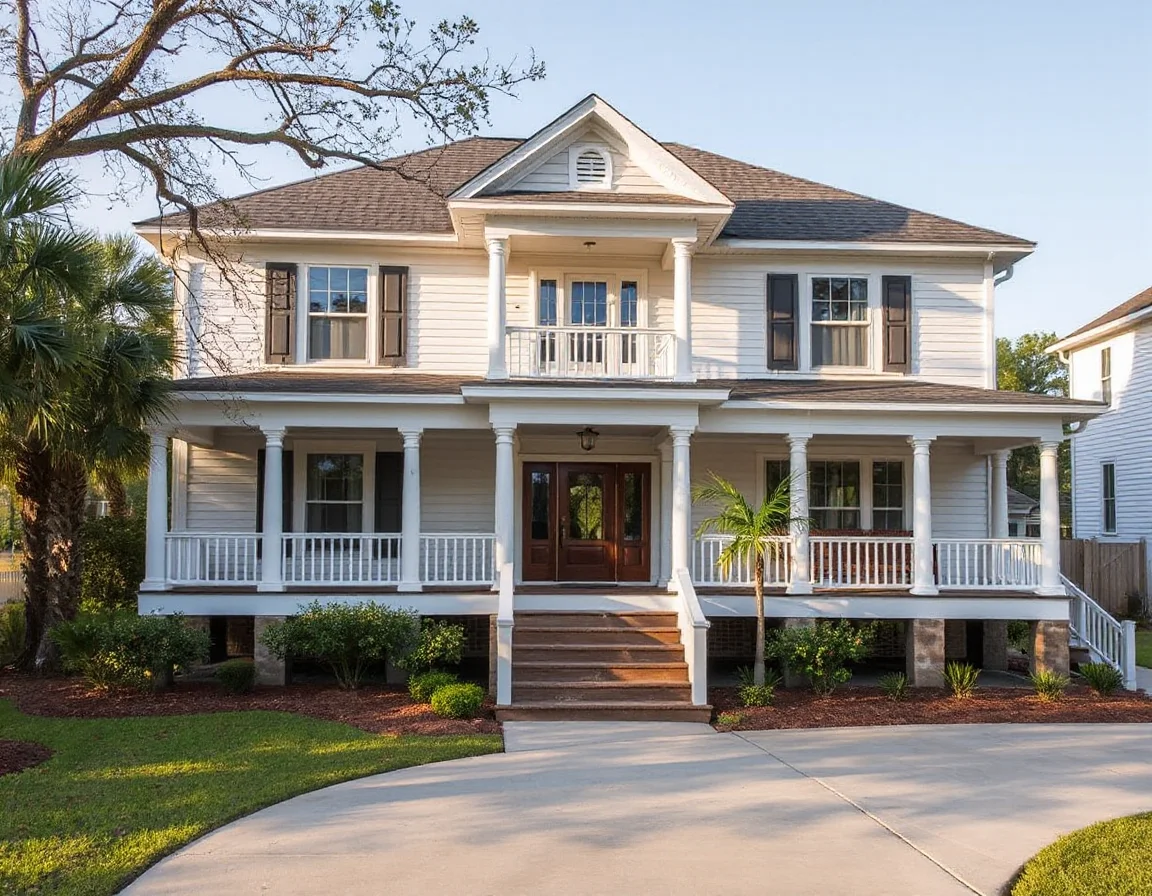
Another key point is replacement cost. Buyers sometimes assume insurance will track market value, but carriers are typically looking at rebuild cost, construction type, and exposure. A home with custom finishes, specialized materials, or complex rooflines may produce a very different quote than expected. Getting an insurance estimate during the offer stage can sharpen your comfort level on the true cost of ownership.
If you are comparing detached homes with attached or condominium ownership, ask how claims history may affect premiums and whether the association has had any notable recent insurance changes. Premium increases have been a real conversation point in many coastal markets, so current information matters more than assumptions based on older transactions.
The best time to request a preliminary insurance quote is before contingencies begin to narrow. That timing gives you room to adjust your offer strategy if the coverage picture comes in higher than expected.
Explore Seabrook Island homes and community information
How HOA and Regime Fees Affect Value
Association fees are not automatically a negative; they are simply part of the ownership equation. The right question is not “How high is the fee?” but rather “What does the fee cover, and does that coverage reduce other expenses?” On Seabrook Island, some fees may support exterior maintenance, landscape care, pest control, insurance components, common area upkeep, security or gate operations, and reserve funding for long-term repairs. In other cases, the owner may carry more responsibility individually.
When reviewing documents, pay attention to reserve levels, pending capital projects, litigation disclosures if any exist, rental or use rules, pet provisions, parking allocations, and repair responsibility for balconies, roofs, windows, and building envelopes. Those details influence not only your monthly budget but also how flexible ownership will feel over time. If you plan to use the home part-time, the ease of exterior maintenance may be a major advantage. If you prefer more control over the structure and site, a detached home may be the better fit.
Buyers should also ask whether fees have changed significantly in recent years and whether the association has announced upcoming budget adjustments. The trend line can tell you as much as the current number. A stable fee history paired with strong reserves may indicate a more predictable ownership path than a lower current fee that does not adequately fund future repairs.
Finally, clarify whether club access is separate from HOA obligations. Some properties are marketed near golf, tennis, beach, or club amenities, but the financial structure for using those amenities may differ by property type or ownership arrangement. Getting that answer in writing is the cleanest approach.
Access, Entry, and Everyday Logistics
Access questions are easy to overlook until after closing, yet they influence daily convenience. Seabrook Island’s private entry setup is part of what gives the area its distinct feel, so buyers should ask how owner access works, how guest entry is handled, whether vendors need advance authorization, and what the procedures are for service providers, deliveries, or short-notice visitors. None of these questions are dramatic, but they can shape how effortless ownership feels once you settle in.

For buyers considering part-time use, ask about parking rules, overnight guest procedures, and any property management guidelines. If the home is in a condominium or villa regime, confirm where owners and guests park, whether storage is assigned, and whether bicycles, beach gear, or recreational equipment have designated areas. If the property is detached, ask about driveway space, garage use, and any restrictions on exterior storage or improvements.
It is also reasonable to ask about travel times to groceries, medical services, marinas, beach access points, and nearby commercial corridors off-island. Those practical details help convert a listing from an attractive photo set into a home that works with your routine. Coastal ownership is often at its best when the logistics are clear, simple, and aligned with how you actually plan to use the property.
Search current Seabrook Island listings
One more item to verify is whether there are any access-related rules tied to renovations, moving trucks, or large deliveries. Buyers planning updates after closing will want to know if there are application procedures, working-hour limitations, or architectural approvals that could affect project timing.
The Questions That Help You Compare Homes Better
In the end, the best Seabrook Island buying questions are the ones that reveal the full ownership picture. Ask for recent insurance figures when available, review the governing documents, confirm what the HOA or regime fee covers, understand any club or transfer charges, and learn how access works for owners and guests. Those answers can tell you far more than listing remarks alone.
When buyers take the time to evaluate insurance, fees, and access upfront, they are better positioned to choose a property that fits both budget and lifestyle preferences. That makes negotiations more informed, due diligence more efficient, and closing day much less stressful. In a coastal market with many appealing options, clarity is often the advantage that matters most.