
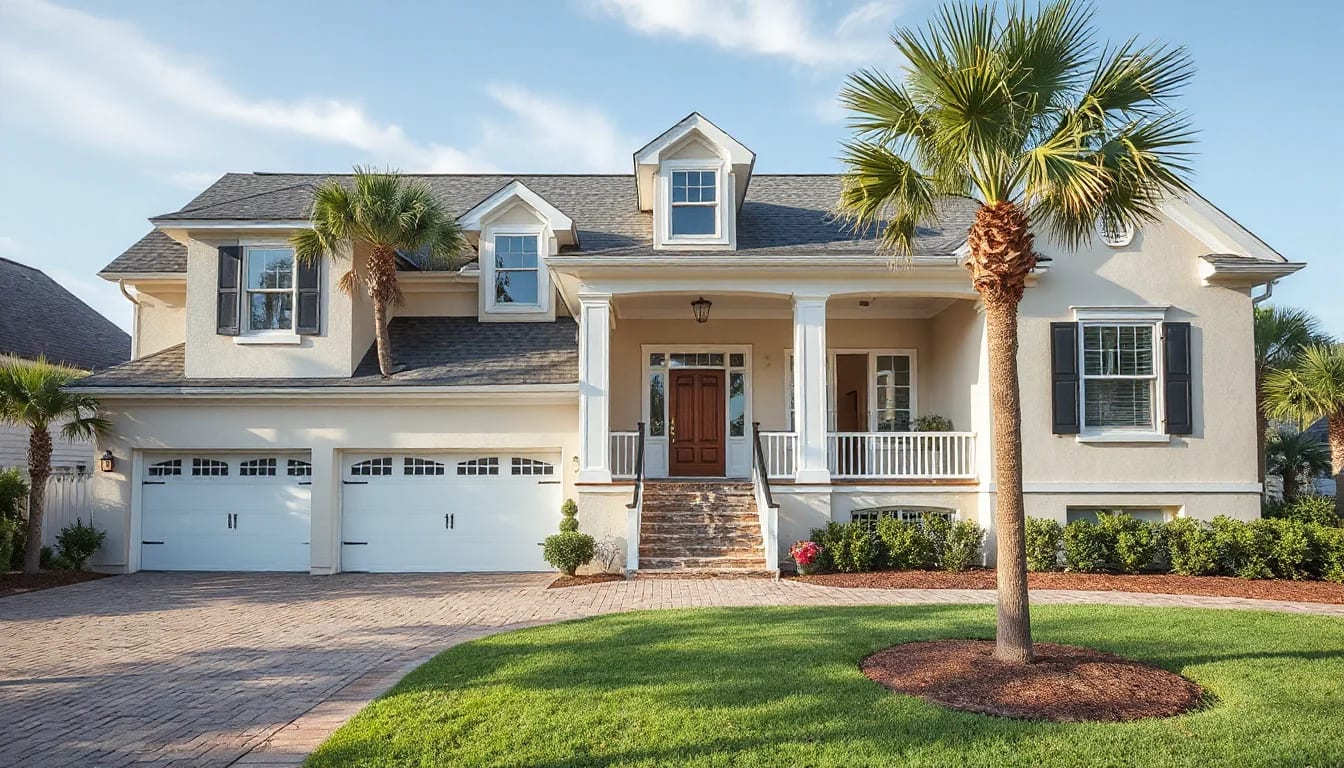
Buying on Kiawah Island can look straightforward until the ongoing costs and usage rules come into focus. This guide breaks down the practical side of ownership—carrying expenses, rental limitations, and future resale considerations—so buyers can compare opportunities with clearer numbers and fewer surprises. A strong purchase decision here usually comes from understanding the full ownership picture, not just the list price.
Start With the True Cost of Ownership
Kiawah Island purchases often reward careful planning. Beyond the headline price, buyers should evaluate what it takes to hold the property year after year and how those costs line up with their goals. Whether the plan is personal use, occasional rental income, or long-term appreciation, the smartest analysis starts with a full budget rather than an emotional first impression.

On an island market like this one, carrying costs can be meaningfully higher than buyers expect if they are only comparing mortgage payments. Property taxes, insurance, flood considerations where applicable, association or regime fees, landscaping, exterior maintenance, pest service, utilities, and reserve funds for repair work all belong in the worksheet. If the property is part of a condo or villa regime, monthly dues may cover some items but also increase the fixed cost of ownership. If it is a detached home, the owner may have more control over maintenance decisions but also more direct responsibility for the bills.
Insurance deserves especially close review in coastal markets. Premiums can vary based on elevation, construction type, roof age, storm protection features, and exact location. Buyers should also ask for a recent utility history when possible, because larger homes, homes with pools, and properties occupied year-round or rented frequently can have very different operating profiles.
A property that appears competitive on price can become less attractive once insurance, association dues, and deferred maintenance are added back in. Running a “monthly all-in” estimate before making an offer can sharpen negotiations.
Another overlooked factor is capital replacement. Roofs, HVAC systems, decks, exterior finishes, and windows all have replacement cycles, and salt-air environments can shorten timelines. Reviewing seller disclosures, recent invoices, and community documents can help reveal whether a lower-priced listing may require larger near-term investment after closing.
Rental Rules Can Shape the Investment Equation
For buyers considering income potential, rental policy is not a side issue—it is part of the core investment math. Rules may come from several layers, including municipal ordinances, association documents, villa regimes, and property management requirements. Those rules can affect minimum lease terms, guest procedures, parking, amenity access, pet policies, and owner usage windows.
That means two similar-looking properties can perform very differently depending on what is allowed. A buyer should confirm not only whether rentals are permitted, but also how often, for what duration, and under what operational constraints. In some cases, short-term rentals may be more feasible in one ownership structure than another. In others, the rental model may work best for seasonal stays rather than frequent turnover.
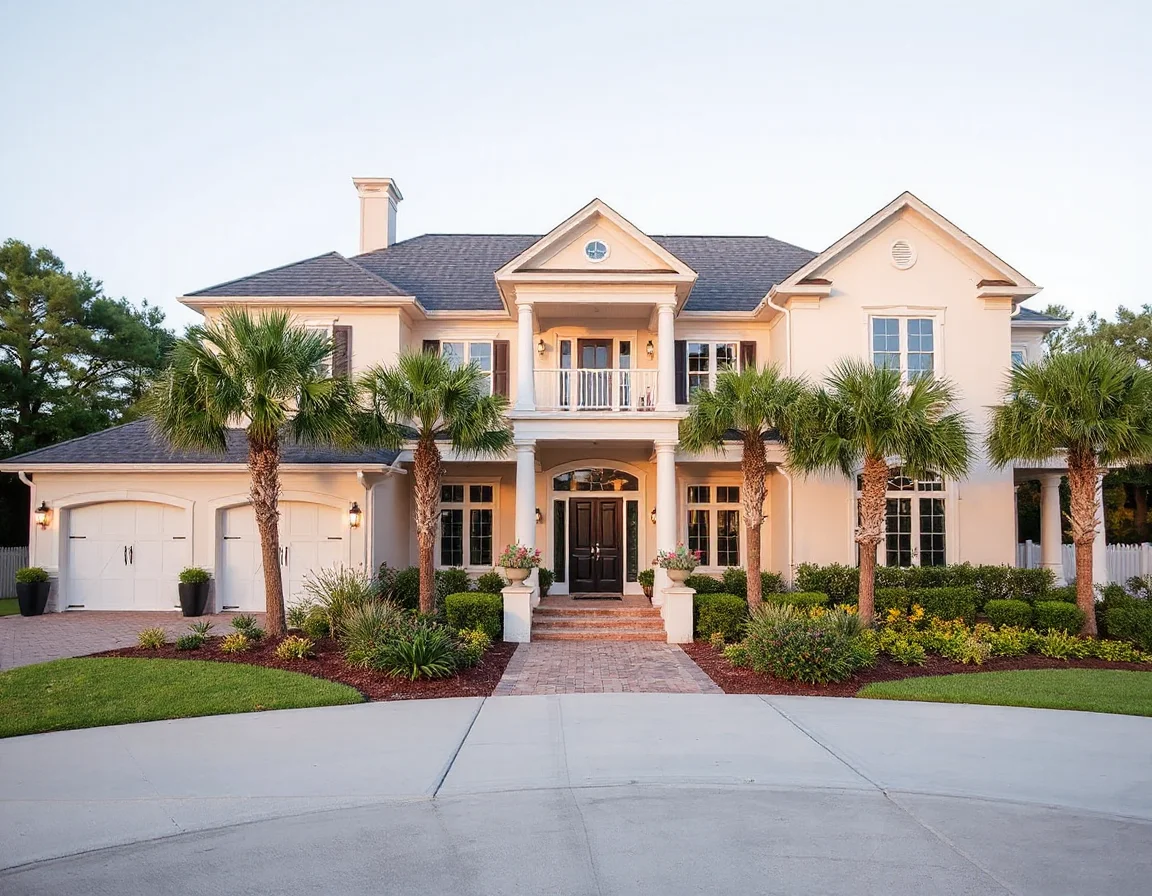
Buyers should also separate gross rental revenue from net income. Management fees, housekeeping, linen programs, maintenance calls, booking platform charges, and vacancy periods all affect actual returns. A property with a strong location and broad appeal may still produce uneven cash flow if turnover costs are high or if owner use blocks peak booking periods. Reviewing documented rental history, if available, can be useful—but that data still needs context. Was the home professionally marketed? Were there renovation gaps? Did the seller use it heavily for personal stays?
When reviewing past rental numbers, compare them with the property’s condition and current rules, not just the final total. Income history from a different management strategy or older policy environment may not translate directly to a new owner.
If rental flexibility matters, it is worth requesting governing documents early in the process. Waiting until late-stage due diligence can create pressure and limit a buyer’s ability to pivot. Clear answers on rental terms can be just as important as inspection results when evaluating expected ownership performance.
Resale Strength Comes From Scarcity, Condition, and Usability
Resale on Kiawah Island is often tied to a mix of enduring location value and property-specific practicality. Views, beach or marsh proximity, updated interiors, strong outdoor living spaces, and floor plans that accommodate modern living patterns can all influence market reception. At the same time, buyers in the future will likely be asking many of the same questions current buyers ask now: What are the fees? What work is coming? How flexible is ownership use?
That is why condition matters so much. Homes and villas that have been consistently maintained often stand out when financing, insurance review, and inspections begin. A polished kitchen or attractive furnishings can help a listing show well, but resale strength usually runs deeper than staging. Mechanical updates, moisture management, roofing history, and resilient exterior materials tend to support value more convincingly over time.
Usability also affects future demand. Functional layouts, practical storage, easy parking, elevator access where relevant, and outdoor spaces that connect well to the setting can broaden buyer interest. Even in a luxury market, convenience remains a selling point. Properties that combine visual appeal with low-friction ownership often hold attention longer and may face less resistance during negotiation.
Inventory conditions matter too. In a market with limited supply, scarcity can support values, but buyers should still avoid assuming that every property will appreciate the same way. A residence with stronger upkeep, fewer ownership complications, and more versatile use may compete better at resale than a similar property with unresolved maintenance or tighter restrictions.
Due Diligence Questions Worth Asking Early
Before writing an offer, buyers can save time by building a targeted question list. Ask for current association or regime fees, recent assessments, insurance information, known capital projects, rental history if applicable, and any rules affecting lease terms or owner occupancy. For detached homes, ask about age and service history for major systems, flood zone details where relevant, and recent exterior improvements.

It also helps to evaluate the property under multiple scenarios. If rental income is lower than expected, does the purchase still make sense? If insurance rises, is the carrying cost still comfortable? If the plan changes and the property becomes primarily personal use, does the layout and location still work? Stress-testing the numbers can reveal whether the investment case is durable or overly dependent on one optimistic assumption.
For many buyers, the best opportunity is not necessarily the property with the highest theoretical revenue or the most dramatic photos. It is the one with the clearest documentation, the most manageable ownership profile, and the strongest fit between usage goals and long-term cost structure. That kind of alignment can reduce friction throughout ownership and support a smoother exit when it is time to sell.
A Clearer Framework Leads to Better Decisions
Kiawah Island offers a distinctive ownership experience, but the strongest purchases are usually grounded in detail. Carrying costs tell you what it takes to hold the asset, rental rules define how flexibly it can be used, and resale factors help estimate how attractive it may be to the next buyer. When those three pieces are reviewed together, buyers are in a much better position to recognize value, avoid avoidable surprises, and move forward with confidence.
For anyone comparing villas, condos, or detached homes in this market, a disciplined review can be just as important as timing. The goal is not simply to buy on the island—it is to buy the property whose numbers, rules, and future marketability all make sense together.