

Buying or selling on Sullivan's Island often brings up a specific set of coastal questions: flood insurance costs, elevation certificates, and whether an inspection should go beyond a standard home review. This guide breaks those topics into practical steps so you can compare properties more confidently, avoid surprises during due diligence, and understand which documents matter most before closing.
Why these coastal questions matter
Sullivan's Island real estate can be compelling for many reasons, but the buying process here often includes details that are less common in inland markets. Water proximity, low-lying areas, older construction, updated flood maps, and renovation history can all affect ownership costs and transaction timelines. That means a great showing is only the beginning; the real clarity often comes from reviewing elevation, insurance, and inspection information early.

For buyers, the key is to separate the emotional appeal of the property from the technical facts that affect monthly and annual expenses. For sellers, preparing those facts in advance can reduce friction and help a listing feel more transparent. In both cases, understanding the relationship between elevation and insurance is especially important, because two homes on the same island can carry very different flood risk profiles and policy quotes.
It also helps to remember that flood insurance is not determined by a single factor. Lenders, FEMA flood zones, finished-floor height, foundation type, prior claims history, and the insurer's own rating method may all play a role. That is why broad assumptions can be misleading; the most useful answer usually comes from pairing the property documents with current insurance quotes.
On coastal properties, a small difference in finished-floor elevation can materially change insurance pricing. Asking for documents before you make an offer can save time during due diligence.
What to ask about flood insurance first
One of the smartest opening questions is simple: Is there a current flood insurance policy, and if so, what is the annual premium? While an existing premium does not guarantee your future rate, it gives you a real-world starting point. You should also ask whether the policy is assumable, whether the seller has made claims, and whether the home has an elevation certificate or other elevation documentation available.
Another useful question is whether the home is in a mapped Special Flood Hazard Area. If it is, a lender may require flood coverage when financing is involved. Even when a property is outside a high-risk zone, some buyers still choose coverage based on location, drainage patterns, and storm exposure. The point is not to assume a property is exempt from concern just because it is not in the most restrictive zone.
Ask for copies of any documentation tied to flood mitigation improvements as well. Raised mechanical systems, compliant enclosures, improved vents, drainage work, and foundation upgrades may all matter to underwriters or inspectors. These details can help explain why one home's insurance outlook is more favorable than another's, even when the homes appear similar from the street.
Search Sullivan's Island listings
How elevation affects cost and confidence
Elevation is one of the most important pieces of the puzzle because it helps show how a structure sits relative to flood risk measurements. In practical terms, buyers usually want to know the height of the lowest floor, the elevation of mechanical equipment, and whether enclosed lower areas are used in a compliant way. Those facts can influence underwriting and may also affect how comfortable a buyer feels with long-term ownership costs.
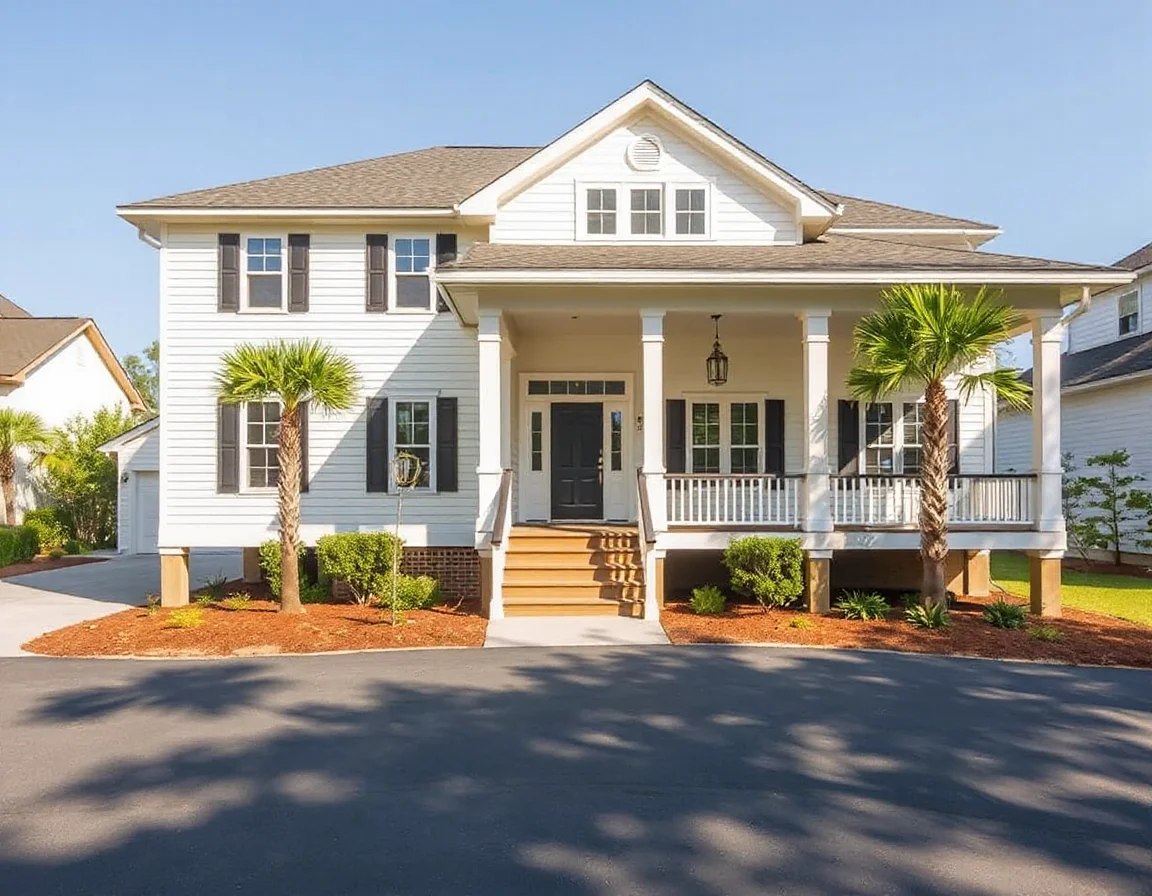
An elevation certificate, when available, can be very helpful because it provides a formal snapshot of key measurements. However, not every property will have a current certificate on hand, and some owners may have older paperwork that should be reviewed for relevance. If the document predates substantial improvements, map changes, or additions, it may not answer every present-day question.
For homes that have been lifted, expanded, or significantly renovated, verify whether permits and final approvals are in place. A raised home can be attractive from an insurance standpoint, but the quality and completeness of the work still matters. Buyers should also ask whether enclosed ground-level spaces are intended only for storage, parking, or building access, because those areas can be a common source of confusion during inspections and insurance review.
When comparing homes, consider looking beyond list price and estimating the full carrying cost. Taxes, insurance, maintenance, and storm-preparation expenses can change the affordability picture. Two properties with similar asking prices may feel very different once those recurring costs are added up.
If a home has been elevated or substantially renovated, ask for permit records and any updated elevation paperwork together. That combination often tells a clearer story than either document alone.
Which inspections make sense on Sullivan's Island
A standard general home inspection is still essential, but coastal purchases often benefit from additional specialists. Depending on the age, location, and condition of the property, buyers may want to consider inspections for roof performance, moisture intrusion, HVAC corrosion, crawlspace or understructure conditions, foundation or structural concerns, septic or sewer components where relevant, and wood-destroying organisms. The goal is not to overcomplicate the process; it is to match the inspections to the realities of a barrier-island environment.
Salt air, wind exposure, and humidity can accelerate wear in ways that are not always obvious during a casual walkthrough. Windows and doors may need close review for water management. Decking, railings, fasteners, and exterior connectors may warrant extra attention. If the home has a dock, boat lift, seawall, or other waterfront improvements, a separate review by a qualified specialist can be worthwhile because those features carry their own maintenance and repair considerations.
Older homes deserve especially careful evaluation. Many island properties have character and craftsmanship that buyers appreciate, but age can bring questions about prior additions, drainage changes, electrical updates, and building envelope performance. A thoughtful inspection period gives buyers room to distinguish between routine upkeep and more material issues that may affect negotiations or future planning.
How buyers and sellers can prepare before due diligence
Preparation makes these transactions smoother. Sellers can strengthen their position by gathering flood policies, elevation certificates, permits, survey information, utility data, and repair invoices before listing. A well-organized file does not eliminate every buyer question, but it can speed up underwriting conversations and make the property easier to evaluate on its actual merits.

Buyers, meanwhile, should line up an insurance contact early rather than waiting until the end of the contract timeline. Getting a flood quote during the due diligence period can be just as important as scheduling inspections. It is also useful to review the seller disclosure alongside permit history and inspection findings, since patterns often emerge when those documents are read together instead of separately.
Another practical step is to ask your real estate professional to help identify the most important follow-up questions in writing. A focused list usually works better than a vague request for "more information." Clear questions about flood zone, current premium, claims history, elevation paperwork, enclosed lower-level use, and major system ages can make the seller's response far more actionable.
Get help buying a coastal home
The bottom line
Sullivan's Island purchases often reward buyers who stay curious and methodical. Flood insurance, elevation data, and inspections are not side issues here; they are central parts of understanding the property as a whole. When those pieces are reviewed early and carefully, buyers can compare options more accurately, sellers can present homes with greater confidence, and everyone involved is better positioned for a smoother closing.
If you are evaluating homes on the island, the most productive approach is usually a combination of property-specific documents, current insurance input, and inspections tailored to the home's location and construction. That creates a clearer picture of both value and ownership costs, which is exactly what you want before making a final decision.