
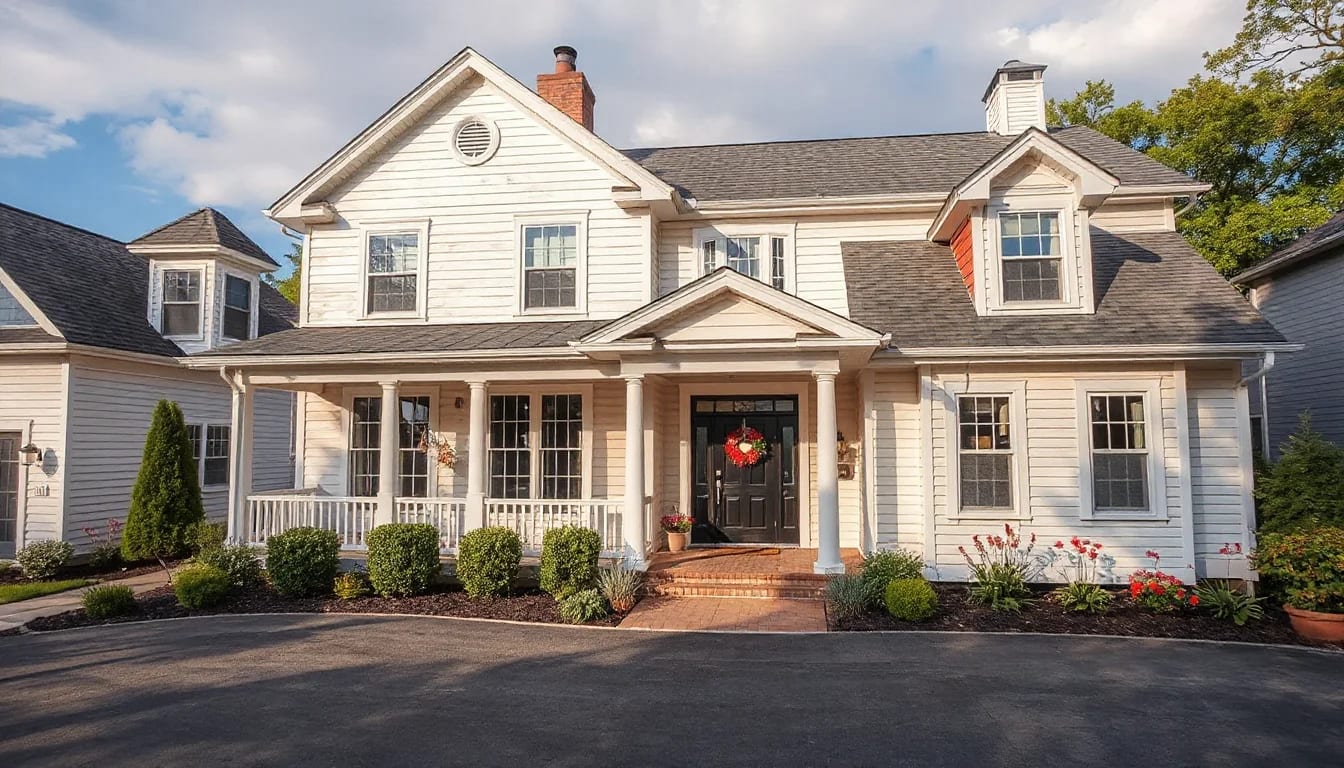
Comparing homes in Old Village takes more than looking at price per square foot. Property taxes, insurance costs, maintenance needs, and resale potential can change the real monthly picture quickly, especially for historic and coastal properties. A thoughtful side-by-side review helps buyers and owners understand which features may support long-term value and which line items deserve a closer look before making a move.
Why the Real Cost Comparison Matters
List price gets the attention, but ownership costs are often where the more meaningful comparison begins. In Old Village, buyers may be looking at a mix of historic homes, updated cottages, newer construction, and properties near the water, and each category can carry a very different cost profile. Two homes with similar asking prices may produce very different monthly budgets once taxes, insurance premiums, and upkeep are added to the equation.
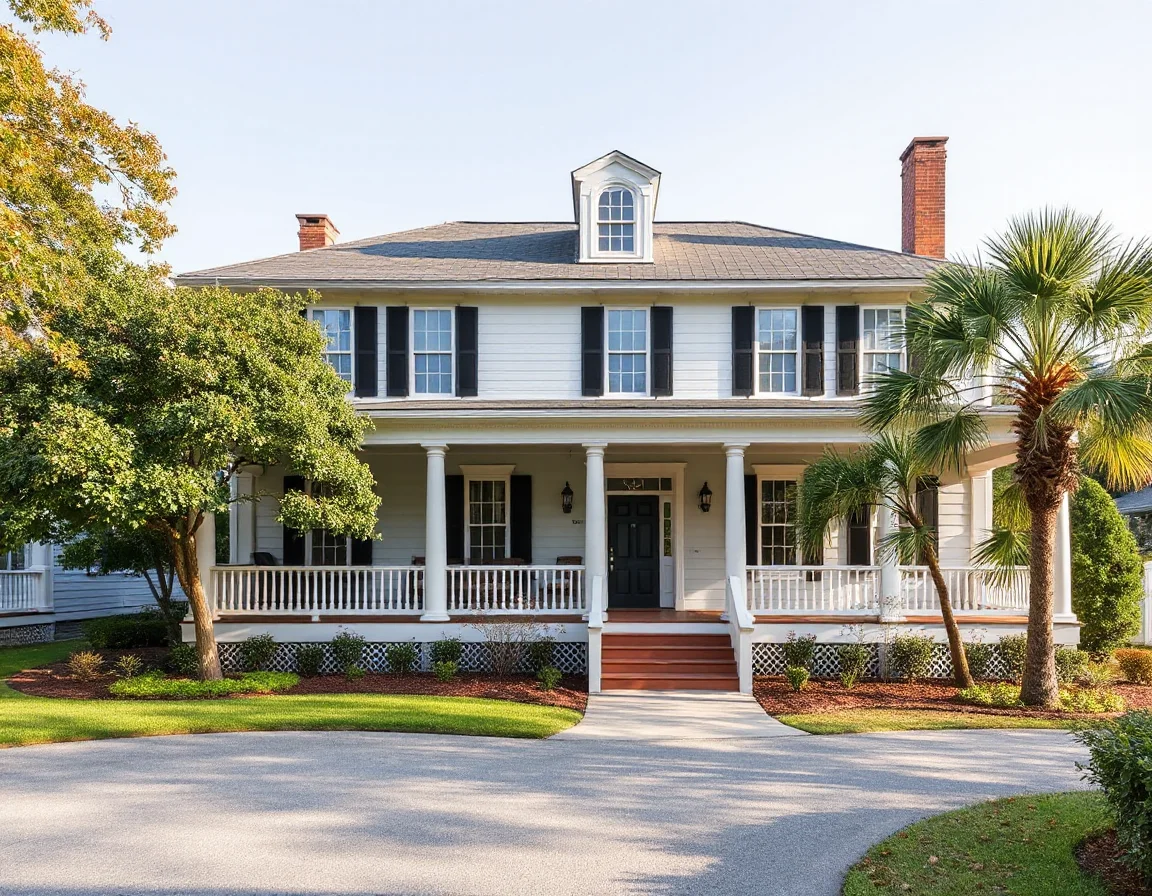
That is especially true in a coastal market where age, elevation, proximity to water, construction materials, and renovation history all influence the bottom line. A beautifully restored older property may offer strong curb appeal and lasting desirability, but it can also require a more detailed review of systems, roofing, and future maintenance. Meanwhile, a newer home may bring higher upfront pricing but lower near-term repair exposure.
For anyone evaluating return on investment, the goal is not just to ask whether a property might appreciate. It is also to understand how predictable the carrying costs are, how marketable the property could be in a future resale cycle, and whether the home’s features line up with what buyers consistently value in this part of Mount Pleasant.
A small difference in annual insurance or tax expense can have a noticeable effect on total ownership cost over several years, especially when comparing multiple properties at similar price points.
Property Tax Details to Review Carefully
Property taxes deserve a closer look because assumptions can be misleading. Buyers often glance at the current tax bill on a listing and assume their future bill will match it, but assessed values and ownership status can change after closing. A home that has been held for years may reflect a different tax situation than what a new owner could see once the property is reassessed.
It also helps to compare taxes in context rather than in isolation. A higher tax bill may be paired with a property that has stronger renovation quality, a more flexible layout, or more durable exterior materials. On the other hand, a low current tax bill should not automatically be treated as a long-term bargain if the home needs substantial updates or if the assessment picture is likely to shift. Reviewing recent sale prices, improvement history, and lot characteristics can help create a more realistic estimate.
For owners thinking ahead to resale, tax efficiency matters because future buyers will make the same calculations. A property that balances location appeal with manageable annual ownership costs can stand out more clearly when inventory expands and buyers become more selective.
Review Charleston property tax information
Insurance Can Reshape the Monthly Budget
Insurance is often one of the biggest differentiators among homes in Old Village. Coastal considerations, wind exposure, flood risk, roof age, foundation type, and construction updates can all affect premium ranges. In practical terms, this means two houses on nearby streets may carry noticeably different insurance costs, even if they look similar in photos.
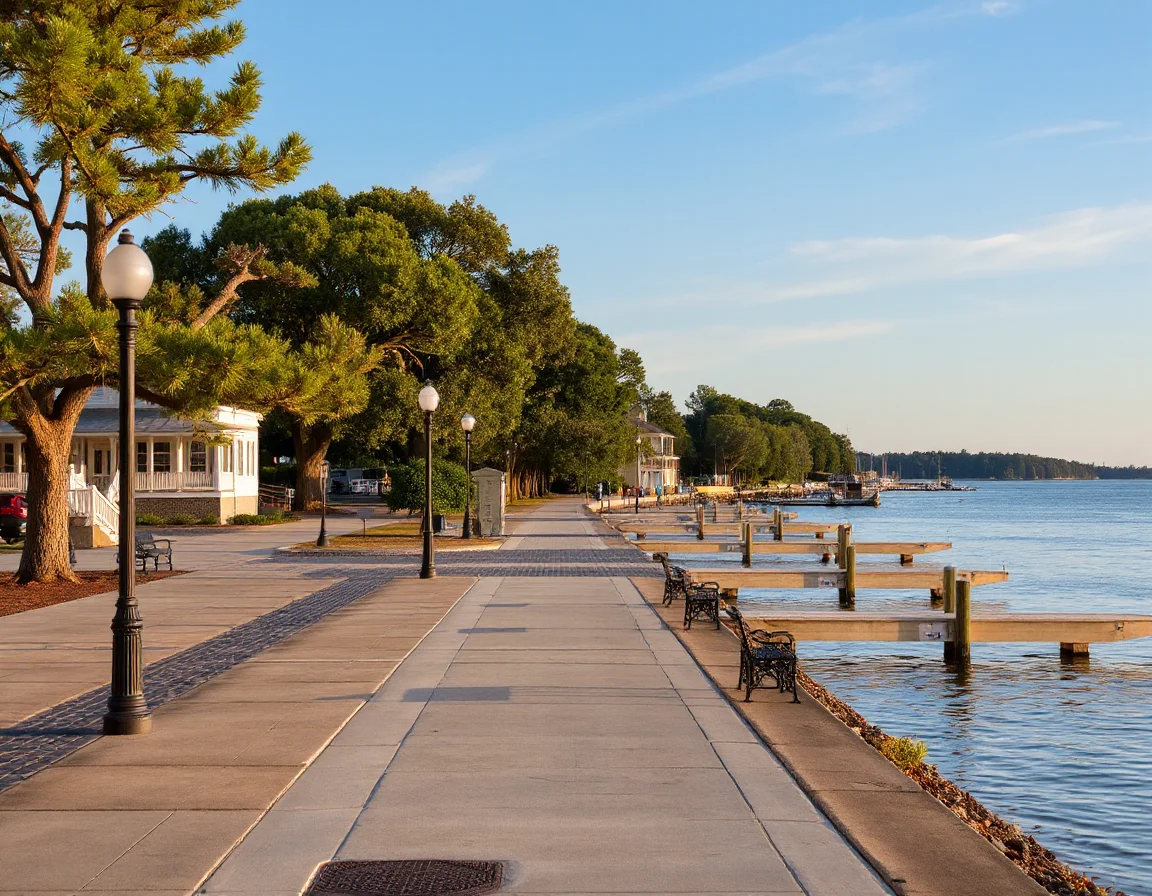
Older homes may benefit from updates such as modern electrical systems, newer plumbing, impact-resistant windows, reinforced roofing, or elevation improvements. Those details can matter as much as square footage when insurance carriers evaluate risk. Buyers comparing options should ask for as much documentation as possible on prior improvements, permit history, and any existing flood or wind coverage. It is better to get realistic insurance quotes early than to discover a surprise late in the due diligence period.
Waterfront or water-adjacent properties deserve especially close review, not because they are inherently better or worse investments, but because coverage structure may be more layered. Premiums, deductibles, and required policy types can all change the cash-flow picture. The right comparison is not simply “Which home is cheaper to insure?” but “Which home’s insurance cost makes sense relative to its location, condition, and long-term appeal?”
If a home has documented upgrades to roofing, windows, elevation, or core systems, ask how those improvements may affect insurability before assuming the premium will mirror another nearby property.
For owners focused on ROI, insurance also ties into future buyer confidence. A property with well-documented improvements and a clearer path to coverage can be easier to position when it returns to market.
How to Think About ROI Beyond Appreciation
Return on investment is broader than year-over-year price growth. In a location like Old Village, buyers often place value on architectural character, lot size, porch space, walkability to waterfront views and community amenities, and the overall condition of the home. The most attractive long-term opportunities often combine these intangibles with practical strengths: sound construction, efficient updates, durable materials, and ownership costs that remain reasonable relative to the price point.
A useful way to compare properties is to create a simple ownership scorecard. Include projected taxes, estimated insurance, expected maintenance over the next five years, major capital items that may need replacement, and the resale pull of the property’s most visible features. A renovated kitchen may help marketability, but so can off-street parking, flexible bonus space, storm-ready upgrades, and a lot that supports outdoor living. The question is not just what looks impressive today, but what should still matter to buyers later.
Historic homes in particular can offer compelling long-term appeal when they pair preserved character with thoughtful modernization. Buyers often respond strongly to original details, deep porches, and established streetscapes, yet they also pay attention to practical features behind the walls. The homes that tend to perform best over time are often the ones that respect the setting while reducing avoidable ownership friction.
Search Old Village and Mount Pleasant listings
A Smarter Way to Compare Homes in Old Village
When evaluating homes here, it helps to slow the process down just enough to compare the full ownership picture rather than reacting only to charm or asking price. Tax treatment, insurance structure, maintenance exposure, and resale flexibility all belong in the conversation from the beginning. That approach does not take the personality out of a home search; it simply adds the practical framework needed to make a confident decision.
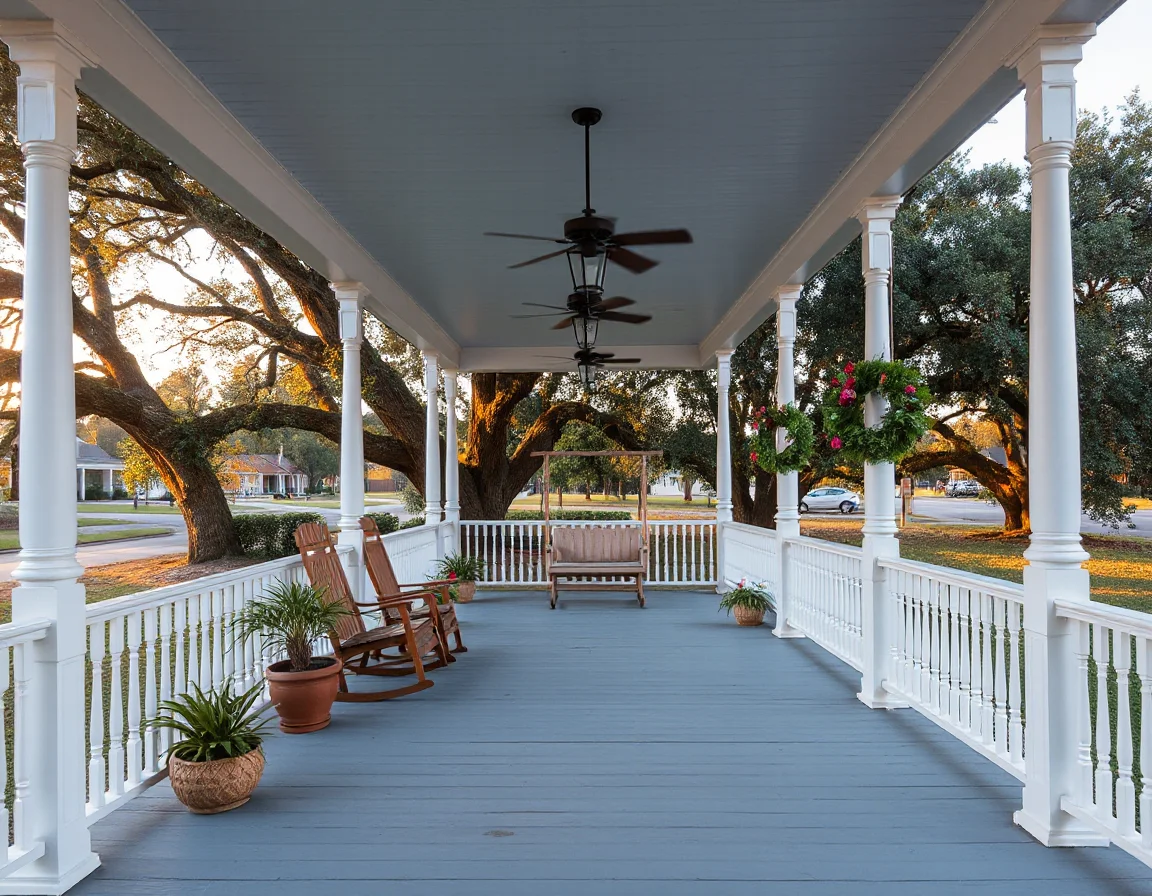
Old Village continues to draw attention because of its location, architecture, water access, and enduring appeal within the broader Charleston area. Those strengths can support value over time, but the best comparison is usually the one that blends local knowledge with line-by-line financial review. Whether someone is considering a historic renovation, a turnkey home, or a property closer to the water, clear numbers make it easier to recognize which option offers the strongest fit.
In the end, strong ROI usually comes from alignment: a home whose features support demand, whose carrying costs are well understood, and whose condition reduces unpleasant surprises. That is the kind of comparison that turns a good-looking property into a smart decision.