

Buying in Old Village often means balancing charm, location, and water-related due diligence. Flood insurance, elevation certificates, and renovation history can all affect your monthly cost and long-term flexibility, so asking the right questions early can save time and money. This guide breaks down the practical issues buyers should review before making an offer on a home in this part of Mount Pleasant.
Why flood insurance comes up so often in Old Village
Few Charleston-area locations combine historic streetscapes, marsh views, and waterfront proximity quite like Old Village. That setting is a big part of the appeal, but it also means buyers need to understand how water risk is evaluated. A beautiful lot near the harbor, a cottage close to tidal areas, or a renovated historic home can each come with very different insurance requirements even when they are only blocks apart.
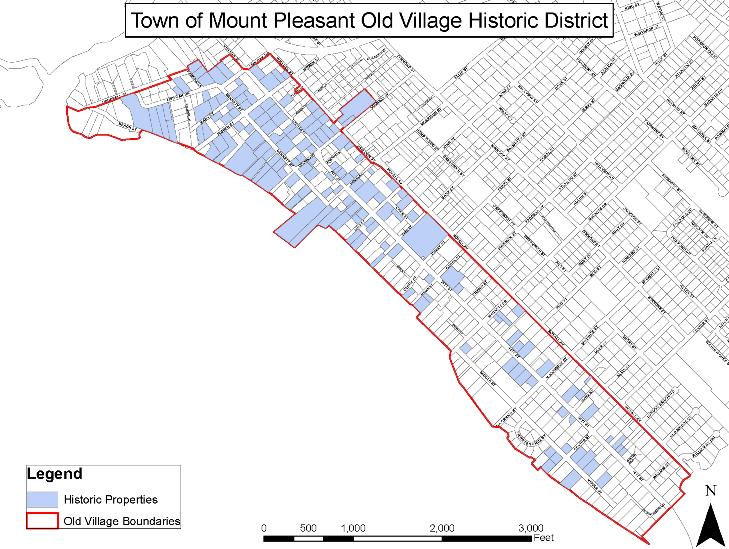
In practical terms, flood insurance questions usually begin with whether a property is located in a FEMA flood zone, whether the structure sits above or below the current base flood elevation, and whether the buyer will finance the purchase with a lender that requires coverage. Some homes may carry lower premiums than buyers expect because of elevation, updated construction, or prior mitigation work. Others may look similar from the street yet have noticeably higher costs because of finished lower levels, older foundations, or limited documentation.
That is why the conversation should start before the inspection period gets too far along. A buyer who waits until the final loan stage to ask about insurance can end up scrambling for quotes, coverage details, and missing paperwork. It is much easier to compare the full ownership cost when insurance is treated as part of the home search rather than a last-minute line item.
Two houses on nearby streets can have very different flood premiums. The difference often comes down to elevation, enclosure details, and whether past improvements were documented clearly.
The most important flood insurance questions to ask
When reviewing a property in Old Village, buyers should ask for the current flood insurance declaration page if there is one, along with the annual premium, coverage type, and whether the policy is transferable. A seller’s current premium is not a guaranteed future premium for the next owner, but it is still a useful reference point. It can also help reveal whether the structure has been rated with an elevation certificate or other underwriting information that may support a more accurate quote.
It is also smart to ask whether the home has ever had water intrusion, whether any claims have been filed, and whether repairs or mitigation steps followed. That includes crawlspace work, venting, drainage improvements, grading changes, or major renovations. Buyers are not looking for dramatic answers here; they are simply building a complete picture of the property’s condition and risk profile.
Another key question is whether the ground-level area is enclosed and how it is used. In coastal markets, storage areas, garages, and non-habitable lower-level spaces can affect rating differently than conditioned living area. If a home has been expanded or altered over time, it is worth confirming that the improvements align with current records and permitting history.
Finally, buyers should ask their insurance professional to quote the property by address as early as possible. General estimates for the neighborhood are less helpful than a quote tied to a specific structure. In a market where historic character and lot location matter, the exact house matters too.
How elevation certificates influence cost and clarity
An elevation certificate is one of the most useful documents in this process because it helps show how the home sits in relation to the applicable flood elevation. For some properties, it can support better pricing accuracy than a quote based only on map location. For others, the absence of an updated certificate may introduce uncertainty, which buyers should account for in both budgeting and negotiation.
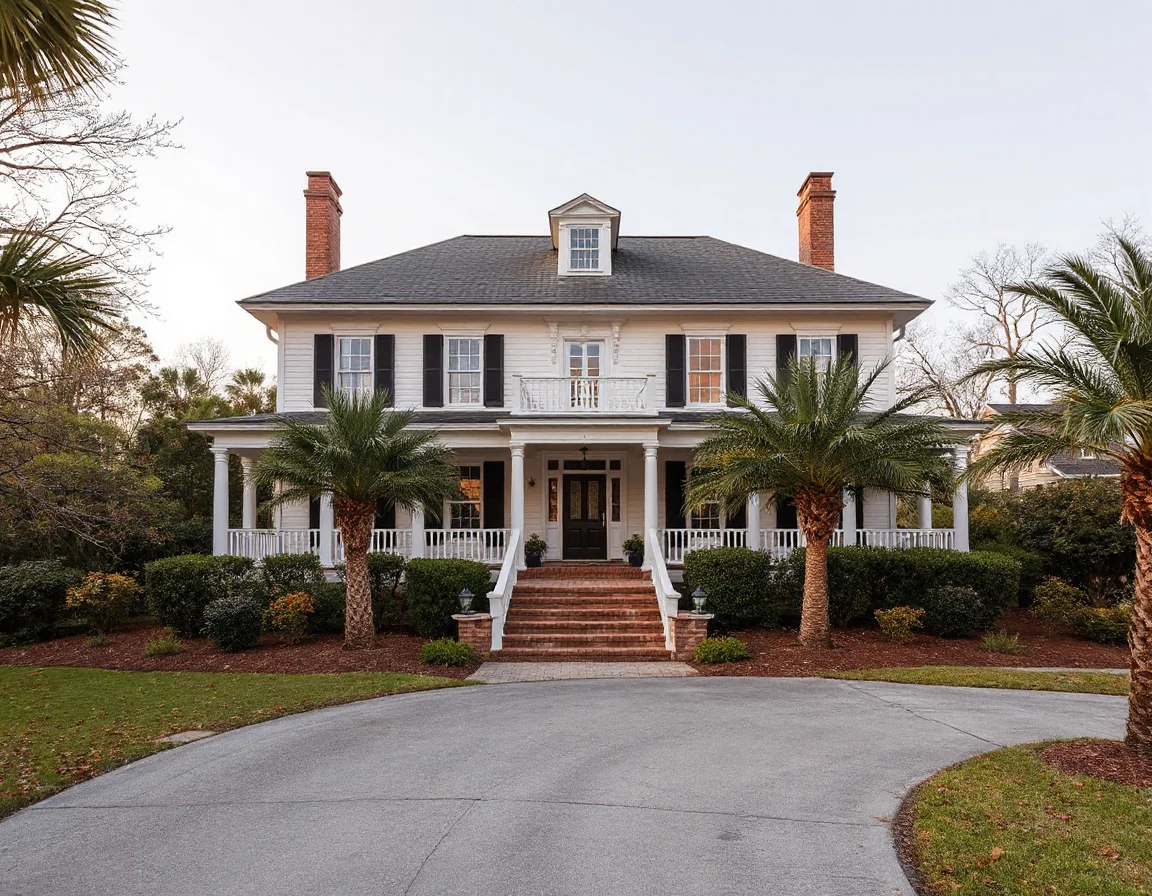
If a certificate exists, buyers should review the date, the surveyor information, and whether the home has been modified since it was prepared. A certificate from years ago may still be informative, but recent additions, enclosed areas, or site changes can reduce its reliability for current underwriting. If there is no certificate, it may be worth discussing the cost and timing of obtaining one, especially for higher-value homes or properties where insurance expense could materially change ownership costs.
Elevation also matters beyond insurance. It can influence renovation planning, future additions, and how a buyer thinks about long-term maintenance. A home that already sits favorably relative to flood elevation may offer more predictability when compared with a similar home that could face stricter design or permitting considerations later.
If a property has had major additions, ask whether the elevation documentation reflects the home as it exists today, not just the original structure.
Because Old Village includes a mix of historic homes, renovated cottages, and newer custom residences, elevation details are rarely one-size-fits-all. Reviewing them carefully helps buyers compare homes on more than appearance alone.
What buyers should review beyond the insurance premium
A low premium is helpful, but it should not be the only factor in the decision. Buyers should also review deductibles, coverage limits, exclusions, and whether additional private-market options are available. In some cases, a policy with a slightly higher premium may provide more practical protection depending on the home’s features and the buyer’s risk tolerance.
Inspection findings matter here as well. Drainage patterns, HVAC placement, crawlspace condition, grading, and signs of prior moisture should all be considered alongside the insurance quote. These elements affect maintenance and resilience even if they do not dramatically change the immediate premium. For older homes, buyers may also want to understand what has been modernized and what remains original, especially around foundations, utilities, and structural supports.
Another worthwhile question is how future improvements could affect insurability or cost. If a buyer plans to renovate, lift, expand, or reconfigure lower-level space, it helps to understand those implications before closing. The most satisfying purchase is often the one that aligns not only with today’s budget but also with tomorrow’s plans.
Search Old Village, Mount Pleasant listings
A practical way to approach an Old Village purchase
The best approach is organized, calm, and property-specific. Start with the flood zone, request existing insurance information, ask for an elevation certificate if available, and get an address-based quote early. Then compare those findings with inspection observations, renovation goals, and the overall value of the location, lot, and home condition.

Old Village continues to attract buyers because of its architecture, water access, mature landscaping, and connection to the broader Mount Pleasant lifestyle. None of that disappears because flood insurance is part of the discussion. It simply means that smart buyers evaluate the home with clear eyes and complete information.
When those questions are asked up front, buyers are better positioned to negotiate confidently, budget accurately, and move forward without surprises. In a distinctive coastal market, diligence is not a detour from the buying process. It is part of what helps a great purchase stay a great purchase after closing.