
Exterior updates in Old Village can do more than make a home look polished in listing photos. The right improvements often highlight architectural character, reduce deferred maintenance concerns, and help buyers understand value the moment they arrive. This guide breaks down which curb appeal projects tend to make the strongest impression in a historic coastal setting and how to prioritize them before selling or investing.
Why curb appeal matters in Old Village
First impressions carry real weight in a place where architecture, lot presence, and streetscape all shape how a property is perceived. In Old Village, buyers often notice the exterior long before they start comparing countertops or fixture finishes. A home’s paint condition, porch detailing, landscaping, roofline, shutters, walkways, and lighting all help communicate whether the property has been thoughtfully maintained.
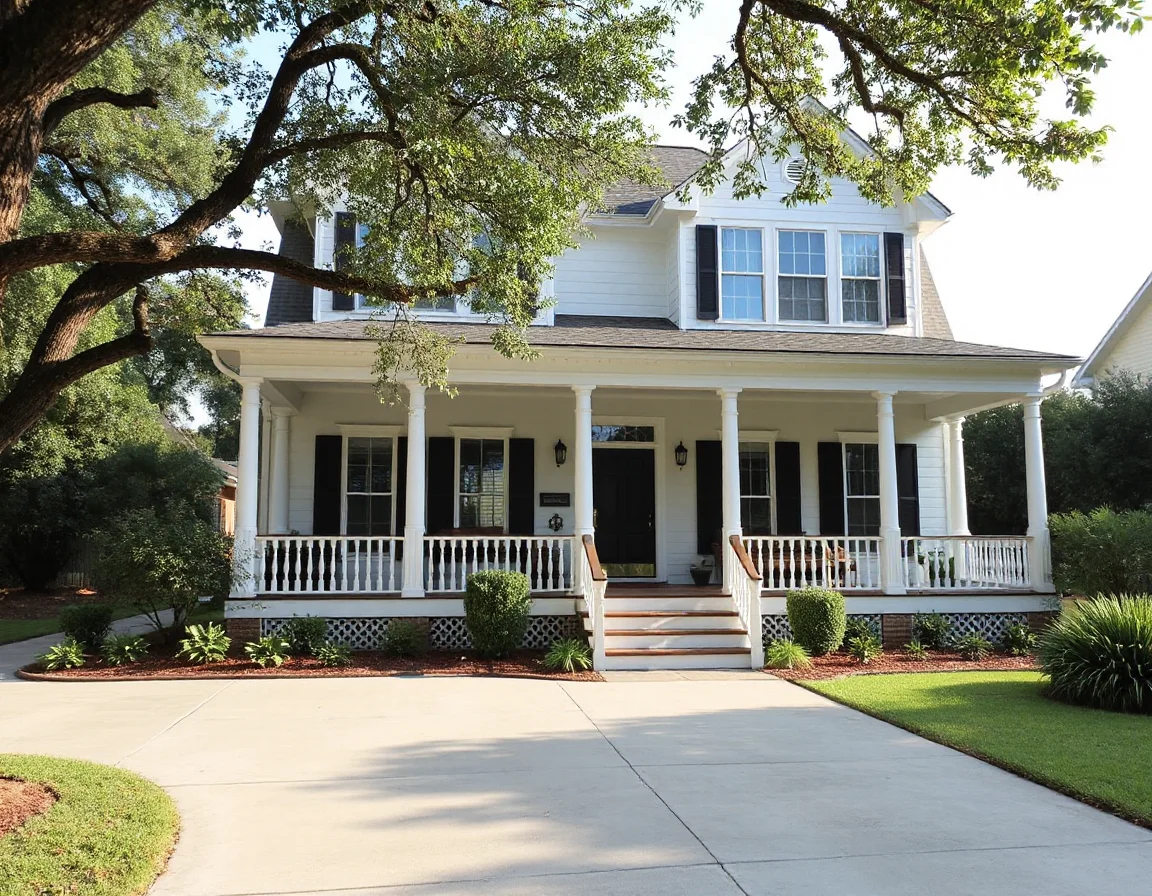
Because the neighborhood is known for its historic feel, water proximity, and established tree canopy, upgrades that fit the surrounding character usually land better than generic remodel choices. That does not mean every house needs a major renovation. In many cases, the biggest gains come from improving what is already there: sharpening trim lines, refreshing worn materials, and creating a cleaner visual transition from street to front door.
Well-planned exterior improvements can also support pricing by removing hesitation. When buyers see peeling paint, overgrown plantings, an uneven brick path, or dated lighting, they often start mentally subtracting from value. By contrast, a crisp exterior signals care and can make the rest of the showing feel more seamless.
In older coastal neighborhoods, buyers often respond fastest to homes that look maintained from the street. Even modest updates can reduce the “project list” feeling before anyone steps inside.
Upgrades that usually deliver the best visual return
Paint is often the most transformative place to start. A fresh exterior color scheme that respects the home’s style can brighten siding, define trim, and make porches and shutters stand out in a way that photographs beautifully. In Old Village, softer coastal palettes, classic whites, muted grays, and historically appropriate accent colors tend to complement the neighborhood setting better than overly trendy choices.
Front entry improvements are another strong play. Replacing dated hardware, repainting or refinishing the front door, updating house numbers, and installing warm exterior sconces can make a home feel more finished without changing the architecture itself. If the porch is a major feature, repairing railings, tightening loose boards, and adding simple staged seating can help buyers picture how the space functions.
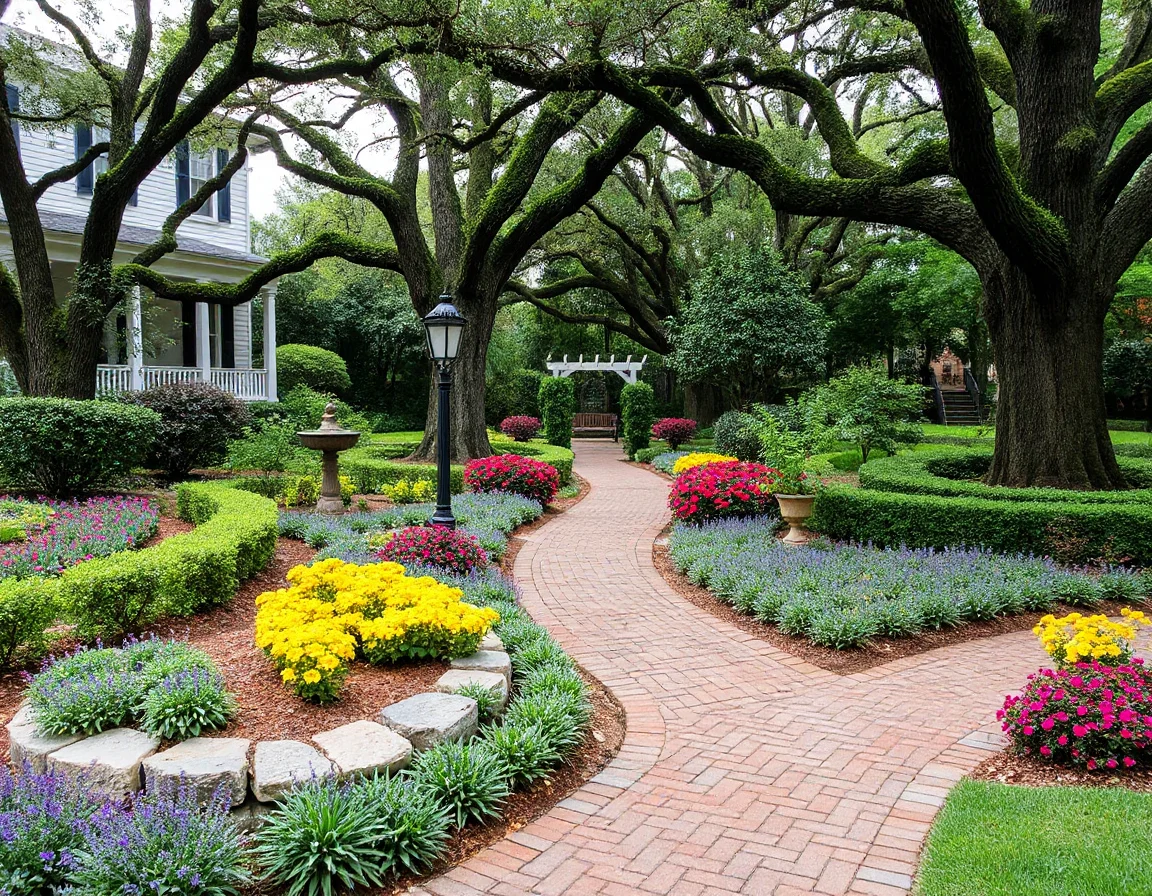
Landscaping matters just as much as the structure. Mature trees are a major asset, but beds should look defined rather than overgrown. Fresh mulch, trimmed hedges, seasonal color, and a visible walkway can make the lot look larger and more organized. If the yard has shell, brick, or tabby elements, cleaning and repairing those surfaces can reinforce the property’s coastal Lowcountry identity.
Finally, do not overlook practical details. Gutters, downspouts, fencing, driveway edges, and porch screens are rarely the star of the listing, but visible wear in these areas can distract from more attractive features. Buyers tend to notice consistency. When everything outside feels tidy and intentional, the home reads as higher value overall.
Explore Old Village real estate
How to balance character with modern expectations
One of the most important decisions in Old Village is knowing what to preserve and what to refresh. Buyers are often drawn to original details such as porch columns, wood siding patterns, historic trim profiles, brick steps, and traditional shutters. Removing those details in favor of something too generic can flatten the home’s appeal, even if the materials are technically new.
The smarter approach is often selective modernization. For example, replacing old light fixtures with simpler, coastal-appropriate lanterns can feel current without looking out of place. Upgrading landscaping irrigation, exterior drainage, or storm-rated elements may not be flashy, but those improvements can strengthen buyer confidence in a coastal market where weather resilience matters.
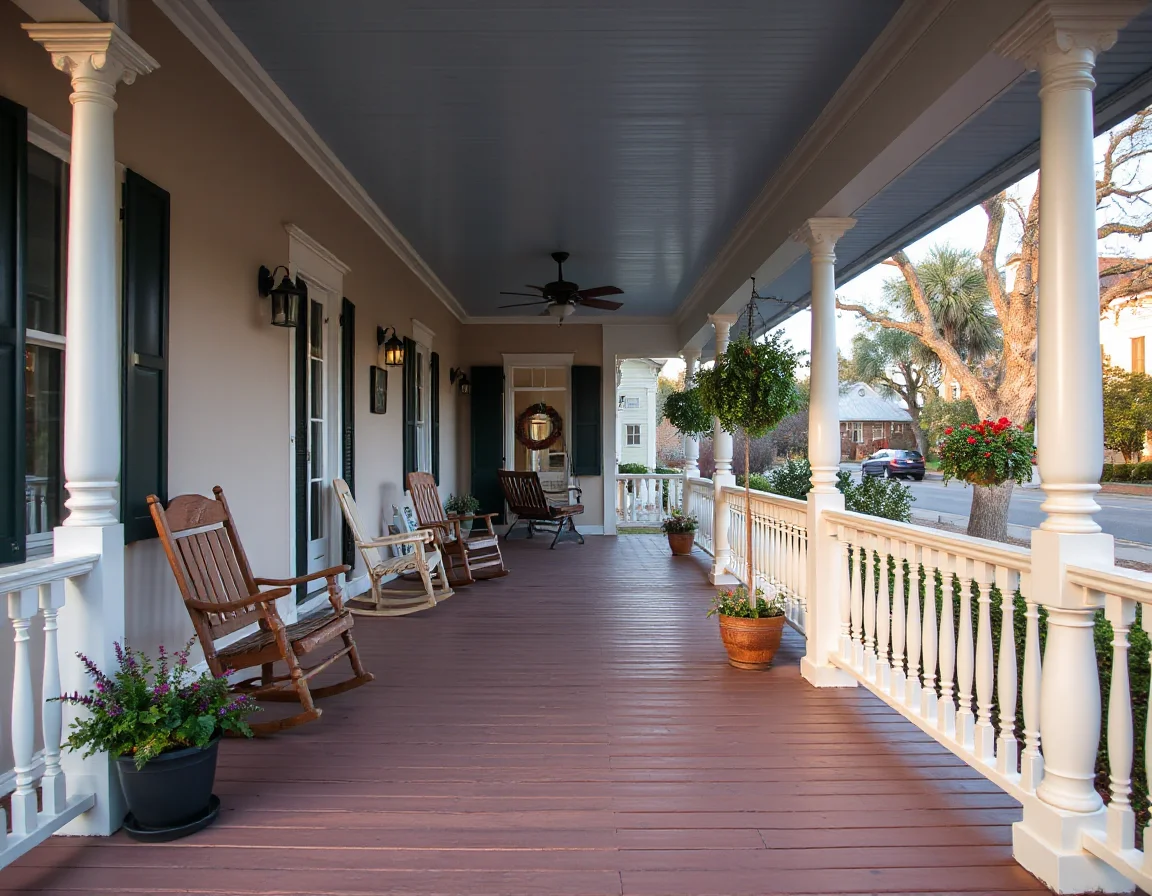
Porches, especially, deserve careful attention. In this area, a porch is not just decorative; it is part of how the house presents itself and how outdoor living is experienced. Clean ceiling paint, refreshed haint blue tones where appropriate, repaired screens, and coordinated planters can elevate the entire façade. The result is an exterior that feels authentic rather than overdesigned.
If you are choosing between a dramatic redesign and a faithful refresh, the refresh often wins in established neighborhoods where architectural consistency supports buyer interest.
Homeowners should also keep scale in mind. A grand statement feature can work on a larger lot, but smaller homes often benefit more from proportionate updates: a sharper path, neater planting beds, and better lighting instead of oversized hardscape additions. The goal is to make the property feel complete, not crowded.
Projects to prioritize before listing
If the goal is preparing for market, start with repairs buyers can see immediately. Loose trim, cracked steps, damaged screens, weathered railings, and faded paint can all send the wrong signal. Those fixes usually come before more decorative upgrades because they help prevent the property from feeling like it has deferred maintenance.
After that, think in terms of visibility. What shows up first from the curb and in the lead listing photo? Usually that means the front elevation, porch, landscaping, walk, and entry. Pressure washing alone can improve brick, tabby, concrete, and painted surfaces enough to change the whole tone of the exterior. Then layer in mulch, potted plants, updated lighting, and a cleaner mailbox or gate if those elements are visible from the street.
It is also useful to review the home at different times of day. Morning and late afternoon light can reveal shadows, dull paint patches, and areas where the landscaping feels uneven. Small staging choices outside, such as symmetrical planters or simple porch furniture, can help anchor the front of the home for photography and in-person showings.
For larger budgets, roof replacement, window restoration, or driveway resurfacing may be worthwhile if those items are visibly aging. These are not always the first projects sellers want to tackle, but when condition is obvious, addressing it can improve both marketability and pricing conversations.
Thinking long term about value
Not every exterior project needs to be tied to an immediate sale. Owners who plan to stay put for a while can still use curb appeal upgrades strategically by focusing on durability, maintenance reduction, and compatibility with the neighborhood. In a coastal environment, that may mean choosing finishes that hold up better to humidity, salt air, and strong sun while still fitting the architectural style of the home.
That might include composite porch elements in select locations, improved drainage around the foundation, higher quality exterior paint systems, or landscape plans that are easier to maintain season after season. Buyers increasingly appreciate homes where upgrades feel thoughtful rather than cosmetic. When the visible beauty is backed by practical investment, the value story becomes much easier to tell.
Old Village remains one of the Charleston area’s most recognizable settings because its homes, lots, and streets create a memorable sense of place. Exterior upgrades work best when they strengthen that identity. Whether the plan is to list soon or simply improve the property over time, focusing on maintenance, proportion, and architectural fit usually produces the strongest result from both a visual and market perspective.
For homeowners weighing where to spend next, the best question is not just “What looks new?” but “What makes this home look cared for, cohesive, and true to its setting?” In Old Village, that answer is often the clearest path to better curb appeal and stronger value.