
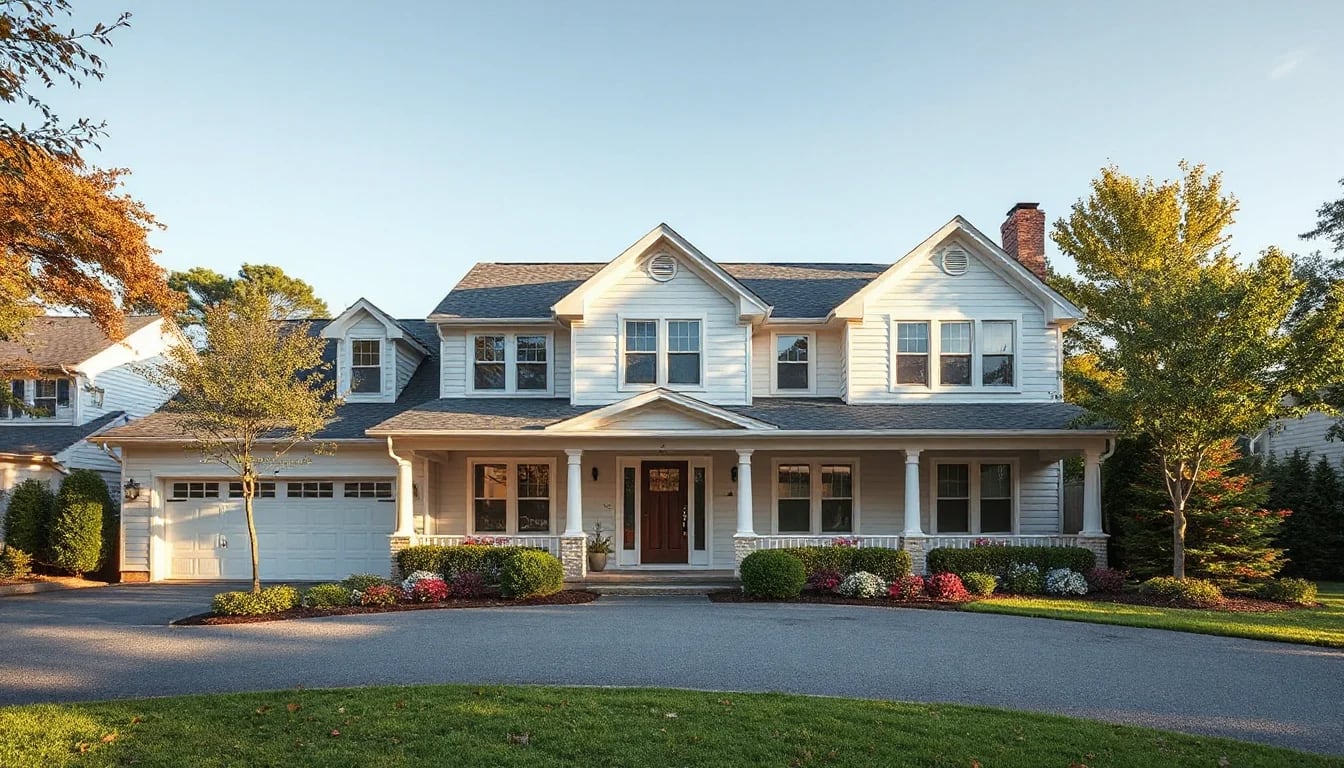
Buying in Old Village often comes down to more than curb appeal. Walkable streets, established housing stock, and tight inventory can support long-term resale strength, but taxes, insurance, maintenance, and renovation scope matter just as much as the purchase price. This guide breaks down how to think about investment value in practical terms so you can compare Old Village with a clear framework.
Why Old Village draws long-term buyer interest
Few neighborhoods in Mount Pleasant create the same first impression as Old Village. Mature trees, water proximity, a connected street pattern, and a mix of historic and updated homes give the area a distinct identity that tends to hold attention across different market cycles. For buyers evaluating investment value, that matters because homes in places with recognizable character often benefit from a deeper buyer pool when it is time to sell.

Another factor is location efficiency. Walkability in Old Village is not just a lifestyle detail; it can influence demand by giving residents easier access to parks, waterfront views, everyday routes, and nearby commercial areas in greater Mount Pleasant. In many markets, homes that combine charm with practical access tend to remain competitive because buyers are not choosing between convenience and atmosphere.
That does not mean every property performs the same way. Lot size, flood exposure, parking, renovation quality, and whether a house keeps the elements buyers value most all shape resale potential. A beautifully updated home with an awkward layout may face different demand than a smaller house with strong outdoor space and a more efficient floor plan. In Old Village, micro-differences can affect value more than they might in a newer subdivision with more uniform inventory.
In established coastal neighborhoods, buyers often pay attention to block-by-block differences. A short change in street setting, lot elevation, or renovation level can materially affect resale positioning.
Because inventory is often limited, pricing can appear strong at first glance. The more useful question is why one home commands a premium over another. If the premium is tied to durable features like lot appeal, thoughtful updates, storage, and a functional layout, it may be easier to defend over time. If it is tied mostly to temporary market heat, future resale could be more sensitive.
Walkability and resale: how they connect
Walkability tends to influence value in subtle but important ways. Buyers often place a premium on neighborhoods where daily routines feel easier, whether that means a shorter trip to waterfront greenspace, simple access to local services, or streets that encourage movement without relying on a car for every errand. In Old Village, that convenience is paired with a setting that feels established rather than newly created, which can help support lasting appeal.
From a resale standpoint, walkability broadens relevance. A home that works for different household needs at different stages of ownership typically has more flexibility in the market. Features like first-floor living areas, porches, off-street parking, and a manageable distance to neighborhood amenities can make a listing attractive to a wider set of buyers without relying on trend-driven features alone.
If you are comparing Old Village to other parts of Mount Pleasant, it helps to separate functional walkability from marketing language. Functional walkability means buyers can actually use nearby amenities regularly. That tends to show up in stronger showing activity and steadier demand when inventory rises elsewhere. Marketing language fades quickly; practical access does not.
Resale also depends on how well the home fits the neighborhood context. Overspending on finishes that do not improve layout, storage, or exterior usability may not deliver the same return as investing in fundamentals. In Old Village, buyers often notice whether a renovation feels coherent with the home’s architecture and site rather than simply expensive.
Holding costs that can change the math
Strong resale potential does not automatically equal strong investment performance. Holding costs in a coastal historic-adjacent area deserve careful review before you buy. Property taxes, homeowners insurance, possible flood insurance, deferred maintenance, and future capital projects can all shape the true cost of ownership.
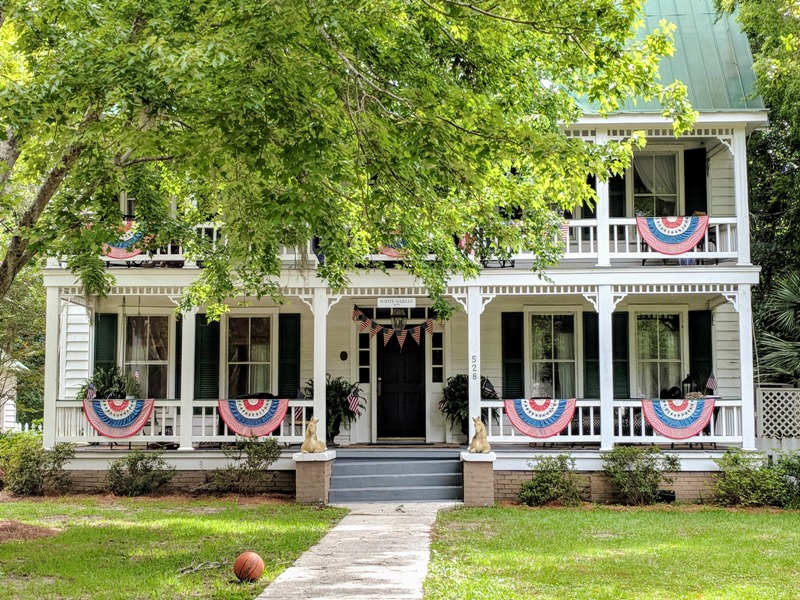
Insurance is often one of the biggest line items buyers underestimate. Premiums can vary based on age of systems, roof condition, construction type, claims history, and flood considerations. A lower purchase price on a home needing major system updates may not be the better value if ongoing insurance and near-term repair costs are substantially higher than on a more updated property.
Maintenance should also be treated realistically. Older homes can offer outstanding craftsmanship and character, but they may require more regular attention to siding, windows, porches, foundations, drainage, and mechanical systems. For investment-minded buyers, the key is not avoiding older homes; it is pricing future upkeep into the acquisition decision from day one.
Before making an offer, build a simple one-page holding-cost sheet: taxes, insurance, utilities, routine maintenance, and a reserve for larger repairs. That snapshot often reveals whether a home still makes sense beyond the list price.
Renovation rules and permitting timelines can affect cost as well. If a property needs additions, major structural work, or site improvements, the total budget may stretch beyond the initial estimate. In neighborhoods where architecture and lot constraints matter, even straightforward projects can become more involved. Buyers who plan conservatively often protect resale flexibility later.
How to judge whether a specific property is a smart buy
A useful framework is to look at each home through four lenses: location within the neighborhood, physical condition, replacement difficulty, and resale competition. Start with location. Is the block especially appealing? Does the lot offer privacy, parking, or outdoor usability? Is the setting one buyers tend to remember after a day of touring homes?
Next, study condition beyond the staging. Roof age, foundation performance, drainage, window quality, HVAC systems, and prior renovation workmanship all affect ownership costs. A home that appears turnkey but hides expensive deferred work can erode returns quickly. On the other hand, a well-located property with manageable cosmetic needs may provide more upside if the essentials are already sound.
Replacement difficulty is another overlooked point. In a neighborhood with limited inventory and established lot patterns, homes with combinations that are hard to duplicate can hold value well. That might include a larger lot, a better porch orientation, strong outdoor entertaining space, or a floor plan that works comfortably without a major addition. Scarcity can be meaningful when it is tied to tangible features.
Finally, compare the property with likely future competition. If several renovated homes would compete directly at your intended resale price, your margin for error shrinks. If the home occupies a more distinct position in the market, whether because of architecture, site, or finish level, that can help support pricing later.
Explore Mount Pleasant real estate
A practical view of Old Village investment value
Old Village can be compelling for buyers who value a recognizable setting, established streets, and the kind of neighborhood character that is difficult to recreate. Those qualities can support demand over time, especially when paired with a home that offers functional upgrades and manageable ownership costs. But the best investment decisions here usually come from disciplined underwriting rather than assuming every property will appreciate the same way.
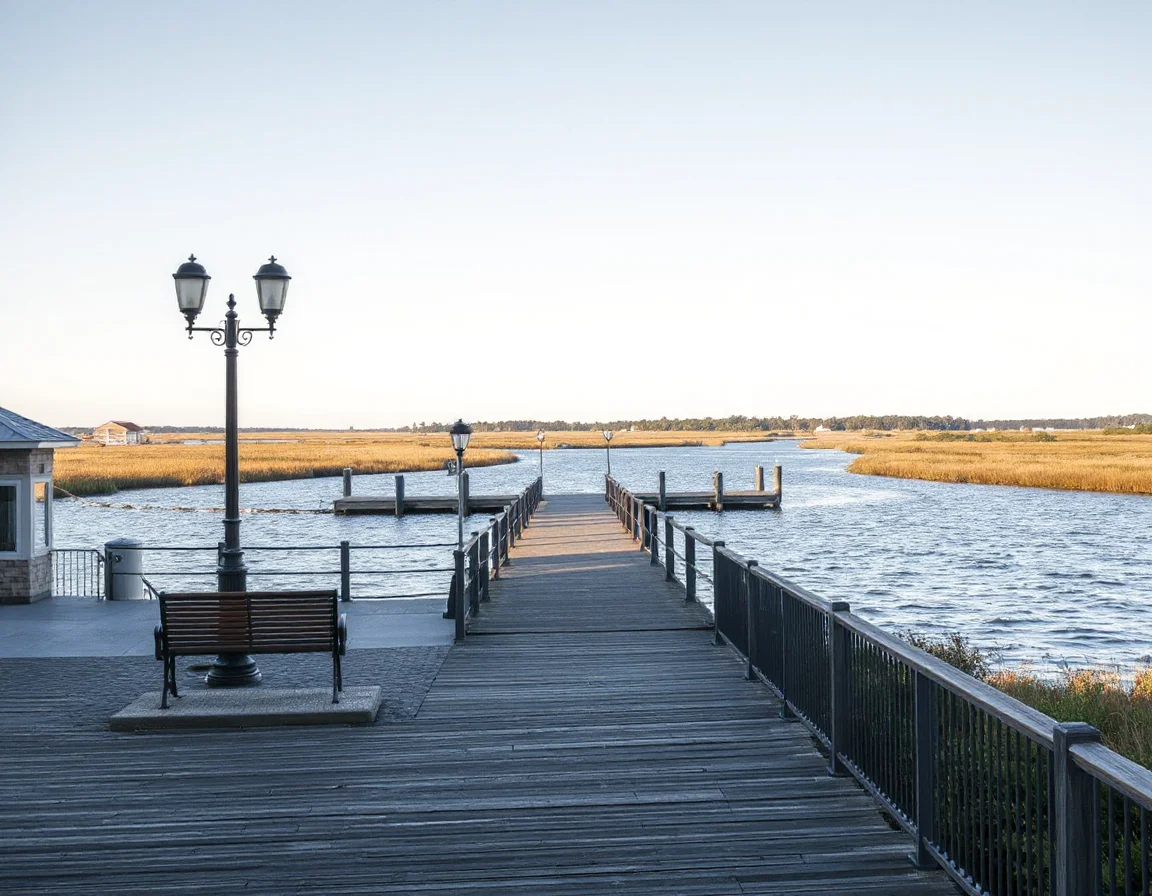
The strongest candidates are typically homes where purchase price, location quality, and future cost exposure feel balanced. If you can clearly explain why a property should remain desirable five to ten years from now, and you have realistic assumptions for taxes, insurance, and upkeep, you are thinking like a disciplined buyer instead of a hopeful one.
That is especially important in a distinctive market segment. In Old Village, charm may get you through the front gate, but investment value is usually built on the quieter details: layout, lot utility, condition, insurability, and how confidently the home can compete at resale. When those pieces line up, the neighborhood’s walkability and enduring appeal can become real advantages rather than just attractive talking points.