

Buying on Seabrook Island can feel straightforward until the details start stacking up: regime fees, flood considerations, rental rules, gate access, insurance, and the true cost of ownership. The right questions asked early can save time, protect your budget, and help you compare properties with much more confidence. This guide breaks down the practical conversations worth having before you move from browsing to writing an offer.
Start With the Real Cost of Ownership
It is easy to focus on price, finishes, and location within the island, but a smart purchase decision usually comes down to the numbers behind the listing. On Seabrook Island, buyers often need to look beyond principal and interest to understand the complete monthly and annual ownership picture. That means reviewing association fees, insurance costs, flood zone implications, maintenance expectations, club-related expenses when applicable, and any reserve contributions that may affect the property over time.
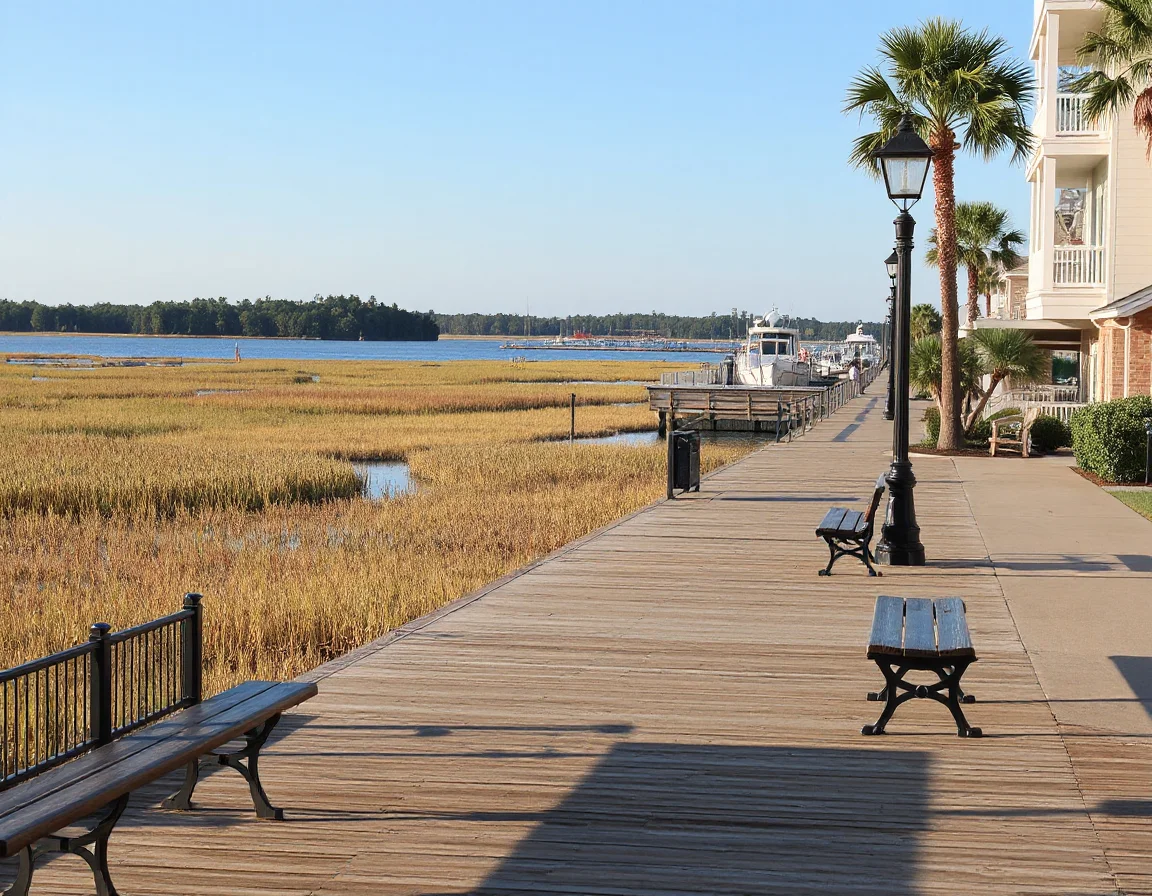
Before committing, ask for a breakdown of all recurring expenses. If the property is a villa or condo, ask what the regime fee covers and what it does not. Some communities include exterior upkeep, landscaping, or certain utilities, while others leave more responsibility with the owner. If the home is detached, ask about recent maintenance to roofing, HVAC systems, decks, windows, and exterior materials that can be affected by salt air and coastal weather patterns.
A property with a lower list price can still carry a higher monthly cost once dues, insurance, and maintenance are added together. Comparing total ownership cost side by side often clarifies which option fits best.
Insurance deserves its own conversation. Buyers should ask what the current owner pays for hazard, wind, flood, and liability coverage, then verify how those estimates may change after closing. On coastal property, insurance can shape affordability as much as mortgage terms do. If you are financing, ask your lender early how these costs affect your payment and cash-to-close numbers.
Ask About Rules That Affect How You Use the Property
One of the most important parts of buying on Seabrook Island is understanding not just what you are buying, but how you can use it. Restrictions are not necessarily a negative; they simply need to match your plans. If you expect to use the property part-time, hold it as a long-term asset, or make it available for rentals, you will want clear answers before you write an offer.
Review the governing documents and ask about rental policies, pet rules, parking limits, renovation approvals, and any architectural review requirements. A buyer interested in updating a kitchen, enclosing a porch, replacing windows, or changing exterior materials should know what approvals are required and how long that process usually takes. If the property is in a condominium regime, ask whether there are pending assessments, litigation, or reserve studies that might point to future costs.
If access to club amenities matters to you, ask exactly what memberships are available, whether any are required, what initiation or transfer costs may apply, and what amenities are included. That could affect how you compare one property to another, especially when one listing appears less expensive but carries separate lifestyle-related costs.
Search Seabrook Island listings
Another useful question: how often does the property actually get used by owners or guests, and what does the seasonal pattern look like? That can influence maintenance planning, service scheduling, and expectations for ownership throughout the year.
Know the Condition, Not Just the Presentation
A well-presented listing can still have deferred maintenance hiding beneath fresh paint and good photography. Coastal homes and villas need close review because moisture, wind exposure, and exterior wear can affect long-term upkeep. That is why inspection questions should be specific and detailed, not just a box to check late in the process.
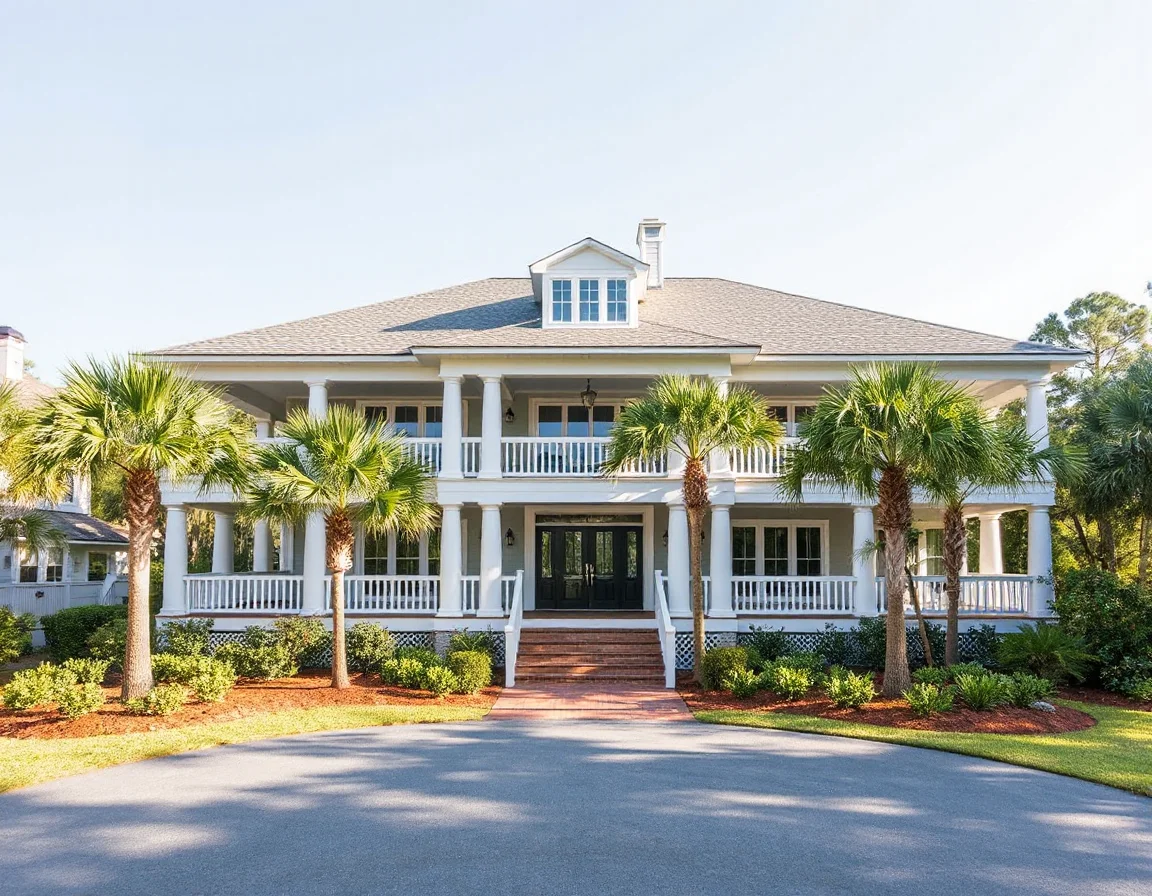
Ask when the roof was installed, whether the HVAC has been replaced, what kind of siding or exterior materials are in place, and whether any windows or doors have been updated for storm resistance. If the property has a deck, screened porch, or outdoor shower, ask when those features were last serviced. If it sits near marsh, lagoon, or ocean-facing areas, ask whether there have been any drainage, standing water, or erosion concerns.
It is also worth asking what the seller has repaired during ownership and what has been left unchanged. A candid disclosure history can tell you a great deal about how the property has been maintained. For villas and condos, ask about shared systems too: exterior painting schedules, roof replacement plans, and any common-area work scheduled by the association.
Inspection periods move quickly. Having your must-ask condition questions ready before the contract stage helps you use that window for verification instead of starting from scratch.
When possible, compare inspection findings with your intended ownership timeline. A property that works well for a buyer seeking turnkey convenience may not be the same one that works best for a buyer comfortable planning phased updates over several years.
Understand Location Tradeoffs Within the Island
Not every Seabrook Island property offers the same day-to-day experience, even when the homes are close together on a map. Some locations emphasize marsh or water views, some offer easier beach access, and some may sit closer to golf, tennis, equestrian facilities, or club amenities. The right question is not which location is “best,” but which location best aligns with how you expect to use the property.
Ask about travel time from the gate to the home, access points to the beach or marina-related amenities in the broader Johns Island area, parking arrangements, and how deliveries or service vendors typically access the property. If you plan to work remotely part of the time, ask about internet providers and current service quality. If outdoor storage matters, ask whether there is room for bikes, beach gear, or recreational equipment.
It also helps to look beyond the island itself. Buyers often compare Seabrook Island with nearby coastal options based on beach access, ownership style, and property type. Understanding how this location connects to Johns Island conveniences, Bohicket-area services, and the wider Charleston region can sharpen your decision-making and help you weigh value more realistically.
Explore Seabrook Island area details
Think Through Resale Before You Buy
Even if you plan to hold the property for years, resale should still be part of the conversation. Ask what features tend to support stronger buyer interest over time: updated kitchens and baths, usable outdoor living space, stronger views, easier beach access, elevator capability, first-floor primary suites, or more efficient floor plans. You are not trying to predict the market perfectly; you are simply trying to avoid buying blind.

Ask your agent how the property compares with recent sales in the same segment. Is the value being driven mostly by condition, view, square footage, or access to amenities? Has inventory been moving quickly, or have buyers been more selective? Those answers can shape both your offer strategy and your long-term expectations.
Seabrook Island attracts buyers looking for a distinctive coastal setting, but that does not remove the need for disciplined analysis. The most confident buyers are usually the ones who slow down enough to ask the practical questions: what will this cost me, how can I use it, what condition is it in, and how will it compete when I decide to sell later?
That approach turns a beautiful listing from an emotional impulse into an informed decision. And on a coastal purchase, that kind of clarity is often the difference between simply liking a property and feeling genuinely comfortable owning it.