

Buying your first home on Kiawah Island involves a different level of preparation than a typical purchase, from understanding flood zones and association costs to moving quickly when limited inventory appears. This guide breaks the process into clear, practical steps so you can compare properties with confidence and build a stronger offer strategy. If you want a smoother path from browsing to closing, knowing what to review before you tour can save time and avoid expensive surprises.
Start With Budget, Cash Needs, and Ownership Costs
A first purchase in a coastal luxury market is often less about the sticker price alone and more about the full cost of ownership. Before scheduling tours, it helps to map out your expected monthly payment, insurance, property taxes, association dues, and reserves for maintenance. On Kiawah Island, buyers may also need to account for costs tied to property condition, storm exposure, and community-specific fees, which can vary meaningfully from one address to the next.

If you are financing, speak with a lender early and request a detailed pre-approval rather than a quick online estimate. In a market with high-value homes and condos, sellers often look closely at the quality of financing, proof of funds for down payment and closing costs, and the likelihood of a clean, timely closing. A strong pre-approval also helps you narrow your search to homes that fit both your lifestyle goals and long-term budget.
For cash buyers, the same planning matters. You still want a clear ceiling for purchase price, post-closing updates, furnishings, and recurring expenses. Some first-time buyers focus heavily on the purchase itself and underestimate the ongoing cost of owning a coastal property. A disciplined budget gives you room to enjoy the home rather than feeling stretched after closing.
On Kiawah Island, insurance, dues, and maintenance planning can affect affordability as much as mortgage terms. Reviewing those numbers early can quickly sharpen your search.
Learn the Difference Between Condos, Villas, and Detached Homes
One of the most important early steps is understanding the property types available. First-time buyers often enter the market with a broad idea of “a home near the water,” but Kiawah Island inventory can include villas, condos, detached residences, and homes in golf-oriented settings, each with different ownership responsibilities. A condo or villa may offer lower exterior maintenance obligations, while a detached home may provide more privacy, larger outdoor space, and a different insurance profile.
That difference matters during both your search and your due diligence period. With attached properties, you will want to review association budgets, rules, reserve studies when available, and what the dues actually cover. With detached homes, buyers should spend more time evaluating roof age, exterior materials, drainage, decks, windows, and any deferred maintenance that could become a near-term cost.
Floor plan also deserves close attention. Some first-time buyers become focused on view or location and only later realize that storage, parking, guest layout, elevator access, or stair configuration will shape everyday use. Looking carefully at how a home functions can be just as valuable as its headline features.
Study Location Details Beyond the Listing Photos
Kiawah Island offers a distinct coastal setting, and that makes location analysis especially important. A first-time buyer should compare proximity to the beach, marsh views, golf access, walking and biking paths, parking, and how the home sits on the site. Two properties with similar prices can feel very different in noise level, privacy, natural light, and exposure to wind and weather.
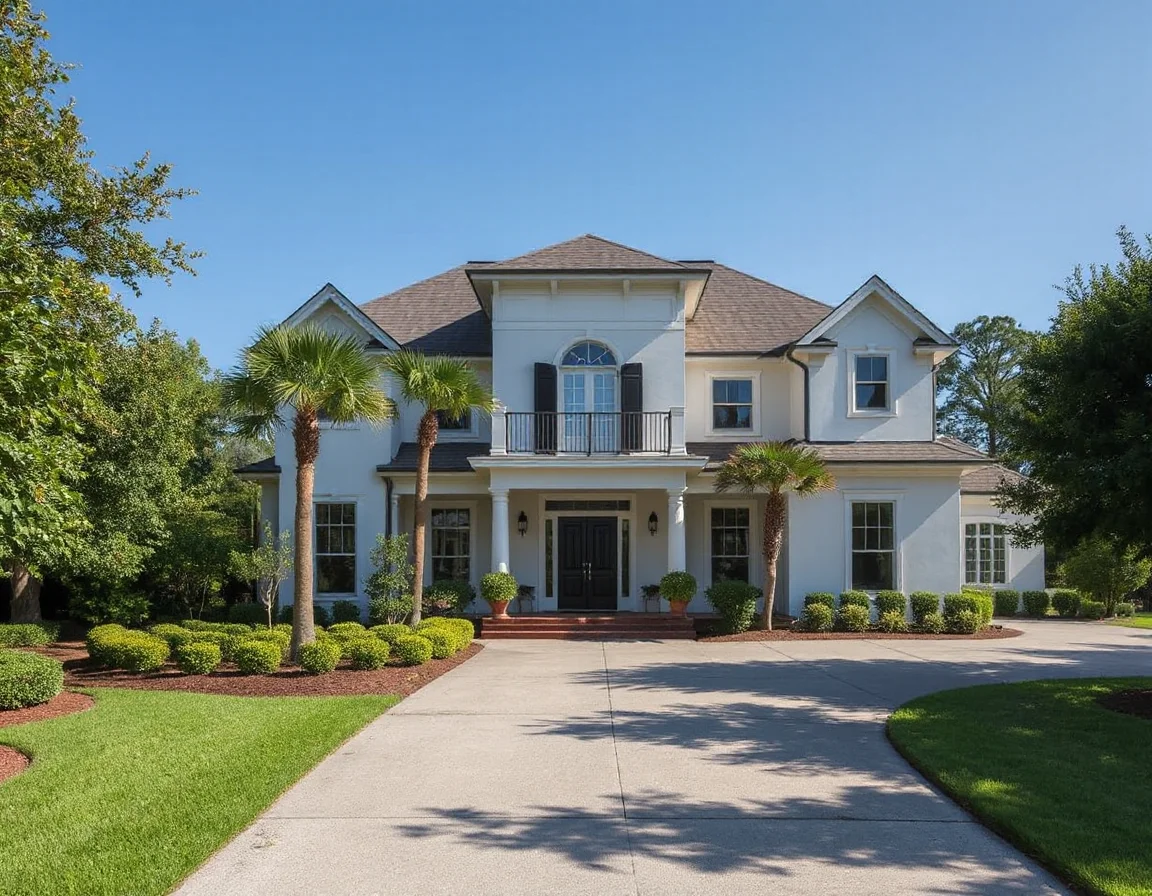
Flood zone status, elevation, and insurance considerations should be part of that review. These factors do not automatically make a property a fit or not a fit; they simply affect ownership costs and planning. Buyers benefit from understanding the practical side of coastal ownership before making an offer, especially when comparing older homes with newer or recently updated properties.
It is also smart to visit at more than one time of day if possible. Morning light, afternoon traffic flow at entry points, and the feel of nearby paths or open space can change your impression. Photos are useful, but they rarely tell the whole story about how a property lives day to day.
For many buyers, the winning home is not the one with the flashiest photography. It is the one where layout, setting, and ownership costs align best over time.
If two homes seem similar online, compare flood information, HOA structure, and recent updates before deciding which one deserves a second showing.
Make an Offer With Terms That Match the Market
Once you identify the right property, your offer should reflect both market conditions and the specific home. That means looking at recent comparable sales, current competition, days on market, and whether the home is updated, turnkey, or likely to need work. First-time buyers sometimes think only in terms of purchase price, but the strongest offer can also include favorable timing, a realistic due diligence plan, and solid documentation.
Earnest money, financing timelines, contingencies, and repair expectations all shape how a seller evaluates an offer. In a competitive segment, preparation matters. If a property is priced well and inventory is tight, hesitation can cost you the opportunity. On the other hand, if a home has been on the market longer, there may be more room to negotiate on price, repairs, or closing structure.
Working from a strategy instead of emotion helps. A clear maximum price, a short list of must-have features, and a strong understanding of ownership costs can keep you focused when decisions need to happen quickly.
Use Inspections and Documents to Protect Your Decision
After contract acceptance, due diligence becomes your most valuable tool. Inspection periods are not just formalities; they are your chance to verify the condition and economics of the property. For a first-time buyer on Kiawah Island, this can include a general home inspection, review of HVAC systems, moisture issues, roofing, exterior surfaces, windows, decks, and any available association documents if the property is attached.

Review seller disclosures carefully and ask questions when details are unclear. You also want insurance quotes early, not at the last minute, so there are no surprises before closing. If the home includes recent renovations, confirm permits and contractor information where appropriate. If furnishings or special fixtures are part of the agreement, make sure those details are documented plainly in writing.
Appraisal and underwriting can add another layer for financed purchases, so staying organized matters. Keep your lender documents current, avoid major financial changes before closing, and respond quickly to requests. A smooth transaction usually comes from steady follow-through rather than rushing at the end.
For first-time buyers, this stage often feels the most technical. That is normal. The goal is not to know everything on day one, but to have a clear process for evaluating each step before funds are wired and keys change hands.
Final Thoughts for First-Time Buyers on Kiawah Island
A successful first purchase here usually comes down to preparation, not luck. Buyers who understand their numbers, compare property types carefully, and treat due diligence as a serious part of the process are better positioned to make confident decisions. On Kiawah Island, where homes can differ widely in setting, condition, and ownership costs, those early steps make the rest of the transaction far more manageable.
If you approach the search with patience and a strong checklist, the process becomes much clearer. The right home is not simply the one that photographs well; it is the one that fits your budget, your priorities, and your comfort level with long-term ownership. With the right groundwork, your first purchase can feel less overwhelming and far more rewarding from contract to closing day.