
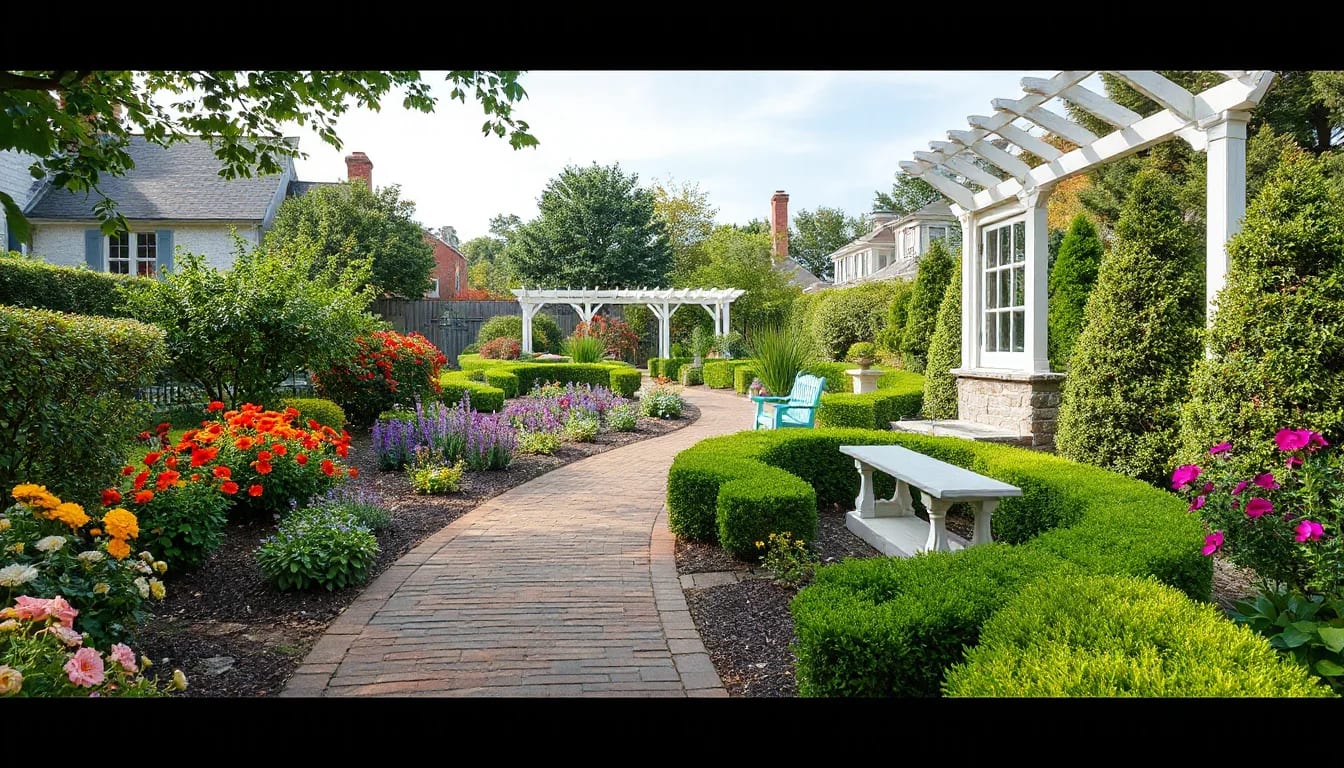
Thoughtful staging can make a historic South of Broad home feel timeless rather than dated. The goal is not to erase age and character, but to help buyers notice scale, light, craftsmanship, and livability the moment they walk in. With the right edits, period details become the headline while modern comfort quietly supports the story.
Let the architecture do the talking
In South of Broad, many homes already come with the kind of details buyers hope to find but rarely do: tall windows, original heart pine floors, plaster walls, decorative millwork, piazzas, and gracious entry halls. Staging works best here when it respects that built-in character. Instead of filling every room, aim to create visual breathing room so a buyer can notice the ceiling height, the proportions of the rooms, and the craftsmanship that gives an older property its presence.
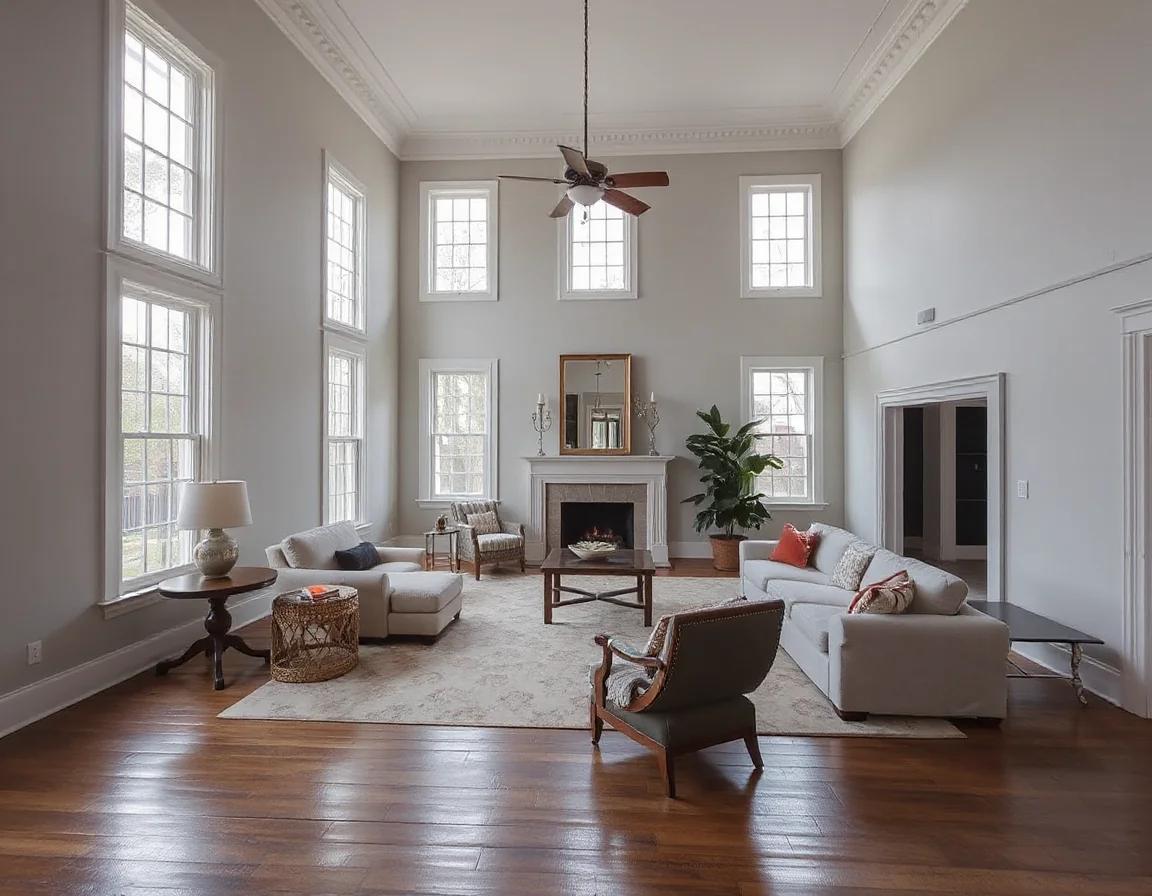
That usually means editing down furniture, removing pieces that block sight lines, and choosing a layout that makes circulation obvious. A pair of well-scaled chairs can highlight a fireplace more effectively than a crowded seating group. A slim console in a hallway can suggest function without visually narrowing the space. In formal rooms, symmetry often helps, especially when the architecture itself is balanced.
Color also matters. Historic homes tend to show best with a restrained palette that reflects natural light rather than competing with it. Warm whites, soft taupes, muted blues, and gentle greens can complement older materials beautifully. If a home includes richly colored walls or dramatic wallpaper, staging can still succeed, but surrounding furnishings should stay calm enough to let those details feel intentional.
In older homes, one removed chair or oversized cabinet can do more for a room than a full round of new accessories. Buyers tend to notice scale first and styling second.
Before bringing in a single decorative object, step back and ask what the room’s strongest original feature is. It may be the mantel, the window height, the fanlight over the door, or even the way one room opens into the next. Good staging points the eye there immediately.
Use furniture to show how historic rooms live today
One challenge with older properties is that buyers sometimes wonder how daily routines fit into traditional layouts. A beautiful parlor is memorable, but people also want to understand where they would read, work, gather, or unwind. Staging can answer those questions without altering the home’s identity.
For example, a secondary sitting room can be arranged as a quiet reading space with two chairs, a small table, and layered lighting. A wide landing or alcove may support a writing desk that hints at flexible use. In a large bedroom, a modest bench or lounge chair can make the room feel intentionally scaled. The best results come from showing function lightly, not forcing every space into a trendy label.
Historic kitchens deserve especially careful treatment. Buyers appreciate updated surfaces and appliances, but they also notice whether the room feels warm and connected to the rest of the house. Clear counters, simple ceramics, a bowl of citrus, and fresh greenery often work better than dense styling. If there is open shelving, keep it edited and tonal. If the kitchen opens to a keeping room or dining area, maintain a visual rhythm so the spaces feel cohesive.
Search South of Broad listings
Dining rooms and front rooms should feel polished, but not museum-like. A historic house should feel cared for and usable. Crisp linens, correctly scaled rugs, and lighting that flatters both daytime and evening showings help buyers imagine the home through more than one lens. The most effective staging creates atmosphere while still leaving room for a buyer’s imagination.
Highlight texture, light, and period materials
Much of the charm in a South of Broad property comes from texture rather than ornament alone. Old brick, weathered shutters, wrought iron, painted wood ceilings on piazzas, and floors with visible age all contribute to the home’s appeal. Staging should support those materials instead of trying to make everything look brand new.
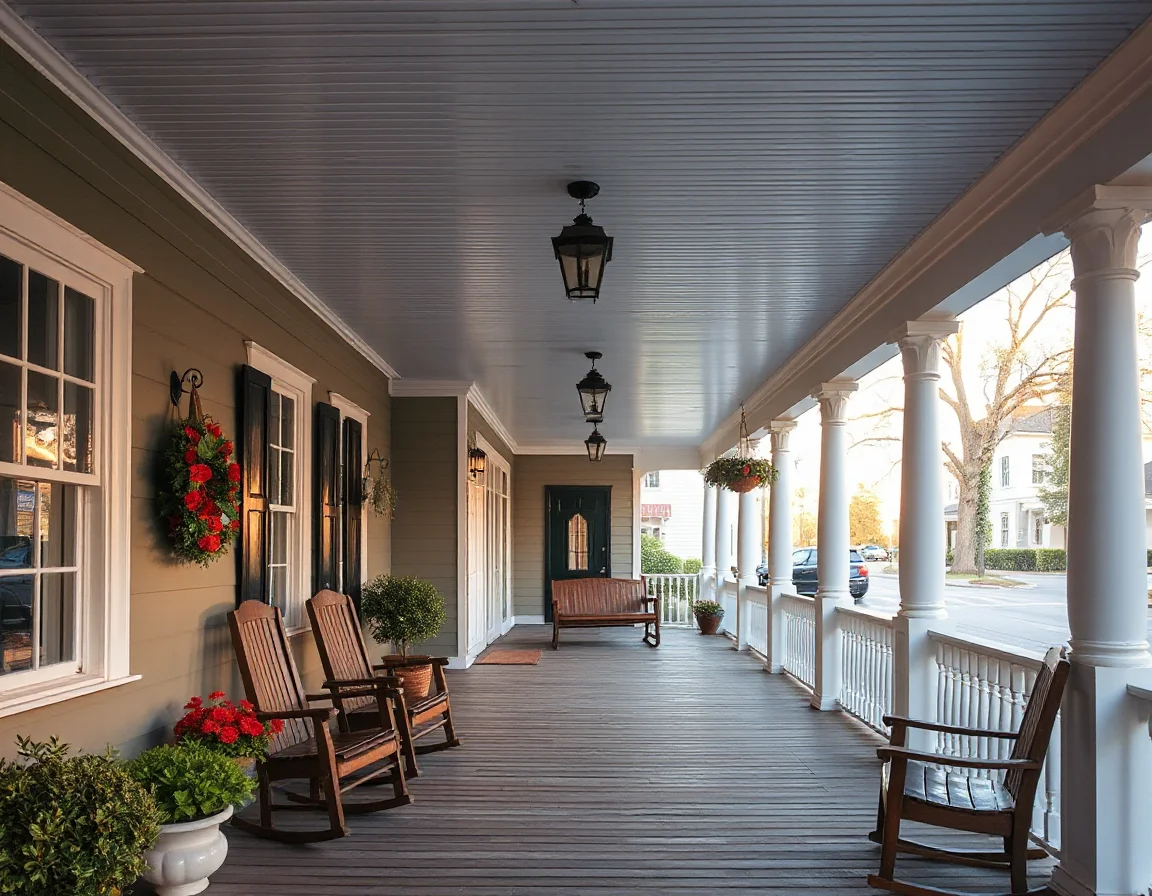
Window treatments are a major factor here. Heavy drapery can weigh down already-detailed rooms, while overly sparse windows may make the house feel unfinished. Where privacy allows, letting the windows breathe can be the best move. If treatments are needed, choose tailored panels in natural fabrics that frame the opening without hiding trim or reducing daylight.
Lighting deserves close attention because many older homes were designed for a different era of illumination. Replace harsh bulbs with warm, even light. Mix overhead fixtures with lamps so corners do not disappear in evening showings. Mirrors can help bounce light deeper into rooms, but they should be used with restraint and placed where they reflect architecture or greenery rather than visual clutter.
Historic materials do not need to look perfect to photograph well. They need to look intentional, clean, and well lit.
Outside, piazzas, courtyards, and entry sequences are part of the selling story. Sweep brick paths, refresh planters, and keep furniture simple and proportionate. A pair of chairs and a small table can suggest a gracious outdoor moment far better than a crowded arrangement. Buyers often remember how a home made them feel before they remember every room measurement, and exterior staging plays a big role in that impression.
Balance preservation with move-in appeal
The strongest historic staging never pretends the home is something it is not. Instead, it creates confidence that the property has been maintained and that its distinctive features work beautifully with modern living. That balance matters in baths, kitchens, and utility spaces, where buyers naturally look for comfort as well as character.
If a bath includes original elements alongside updates, keep the styling minimal and crisp. White towels, restrained accessories, and uncluttered surfaces make the room feel fresh. In bedrooms, layered bedding with subtle texture photographs better than loud patterns. Closets, pantries, and laundry spaces should be edited too; buyers notice storage in historic homes, and orderly presentation helps every square foot read more positively.
Staging also works best when paired with a pre-listing review of minor repairs. Sticky doors, chipped paint, mismatched bulbs, and crowded bookshelves can pull attention away from remarkable architecture. The home does not need to feel new, but it should feel prepared. Buyers are more likely to appreciate authenticity when the basics are tidy and the presentation is consistent from room to room.
A memorable finish matters
South of Broad homes often leave a lasting impression because they combine history, craftsmanship, and location in a way few properties can. Staging should protect that advantage, not dilute it. When the furniture is scaled correctly, the palette is calm, and the home’s original details are given center stage, buyers can more easily connect with what makes the property rare.
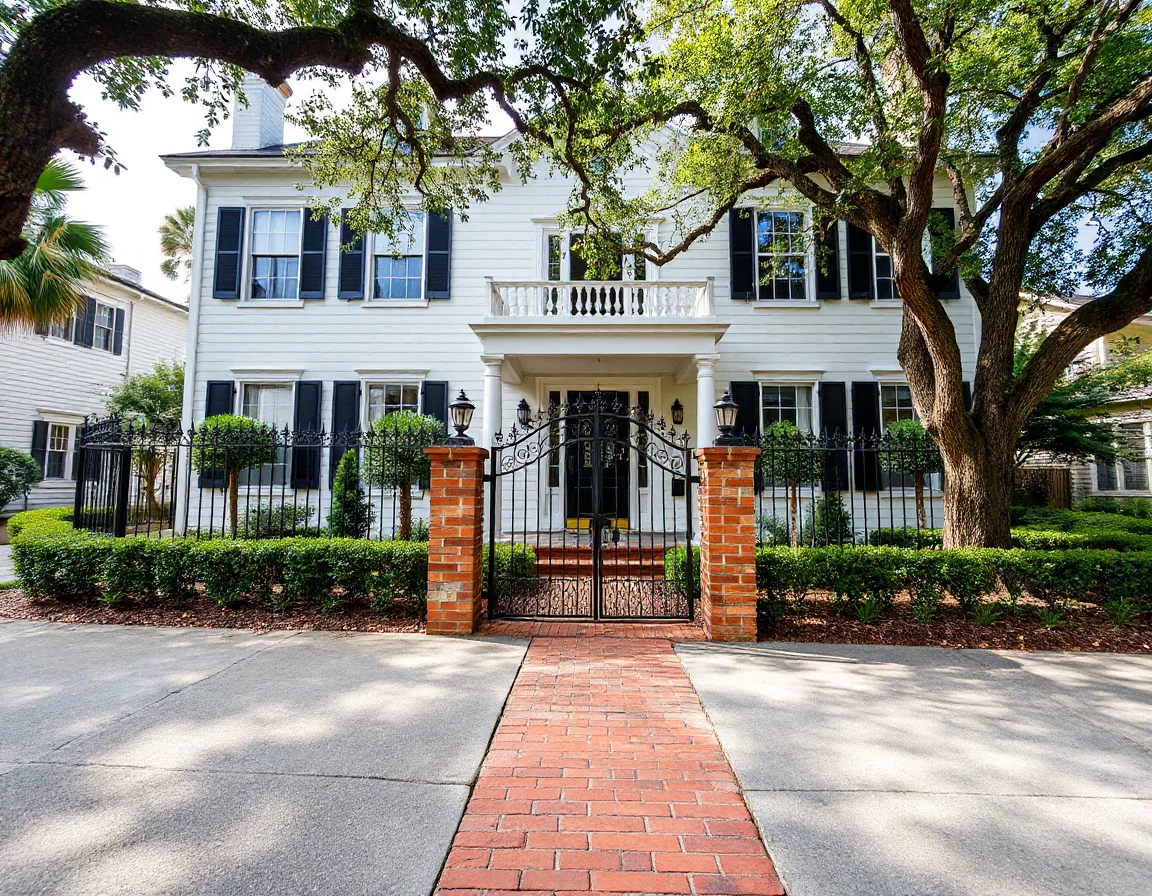
The final goal is simple: help each room feel elegant, legible, and quietly inviting. Historic charm is already there. Smart staging just makes sure it is the first thing buyers see and the detail they continue thinking about after the showing ends.