

Flood zones are a major part of buying and selling real estate in Charleston, and understanding them early can save time, money, and stress. This guide breaks down what flood zone designations mean, how they can affect insurance and financing, and what practical steps help both sides of a transaction move forward with confidence. In a market known for waterfront views, historic homes, and lowcountry landscapes, knowing how to read the flood-risk picture is just as important as knowing the floor plan.
Why flood zones matter in Charleston real estate
Charleston’s setting is one of the reasons people are drawn to the area in the first place. Marsh views, tidal creeks, rivers, and coastal access create a distinctive backdrop for daily life, but they also shape how homes are evaluated by lenders, insurers, buyers, and sellers. Flood zones are not a footnote here. They can influence monthly housing costs, renovation plans, resale strategy, and even the timeline of a closing.
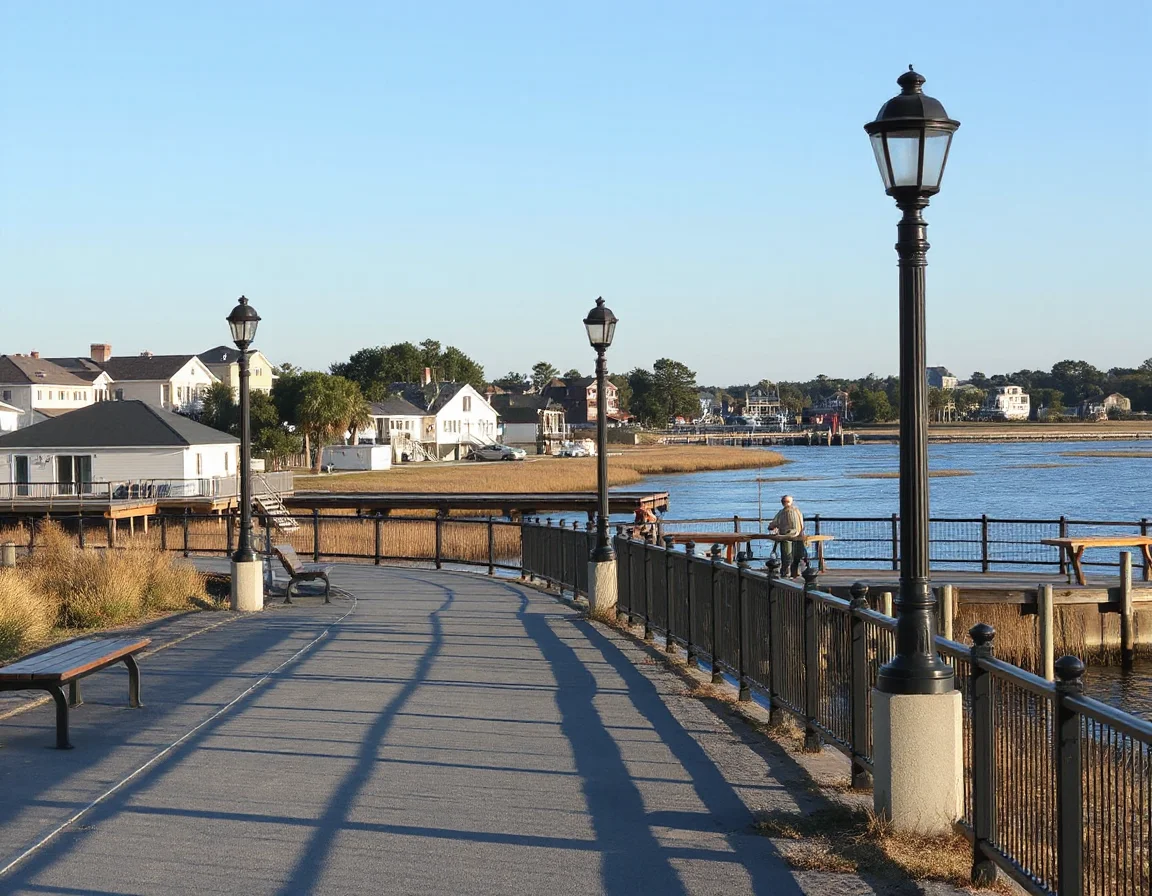
In simple terms, a flood zone is an area identified by FEMA based on flood risk. Some zones indicate lower risk, while others suggest a higher statistical chance of flooding. That designation does not guarantee a property will or will not flood, but it does provide a framework used by lenders and insurance providers. A home in a higher-risk zone may require flood insurance if the buyer is obtaining a mortgage from a federally regulated lender. Even when insurance is not required, many owners still choose to carry coverage based on the property’s location and elevation.
For buyers, the key takeaway is that flood zones should be reviewed alongside price, condition, and location. For sellers, the lesson is just as practical: flood information is part of the property story, and presenting it clearly can reduce surprises during due diligence. In Charleston, preparation often leads to smoother negotiations.
What buyers should review before making an offer
A flood zone label by itself does not tell the whole story. Buyers should look at the current FEMA flood map, ask whether the seller has an elevation certificate if one exists, and request details on current flood insurance premiums. Those three items can reveal far more than a map screenshot alone. An elevation certificate, for example, may show that a structure sits higher than expected, which can affect insurance pricing.
It is also wise to ask whether the home has experienced past flooding, what mitigation steps have been completed, and whether any additions or improvements were permitted with current floodplain requirements in mind. In older coastal markets, that history matters. Some properties have features such as raised foundations, flood vents, improved drainage, or updated mechanical systems positioned above expected water levels.
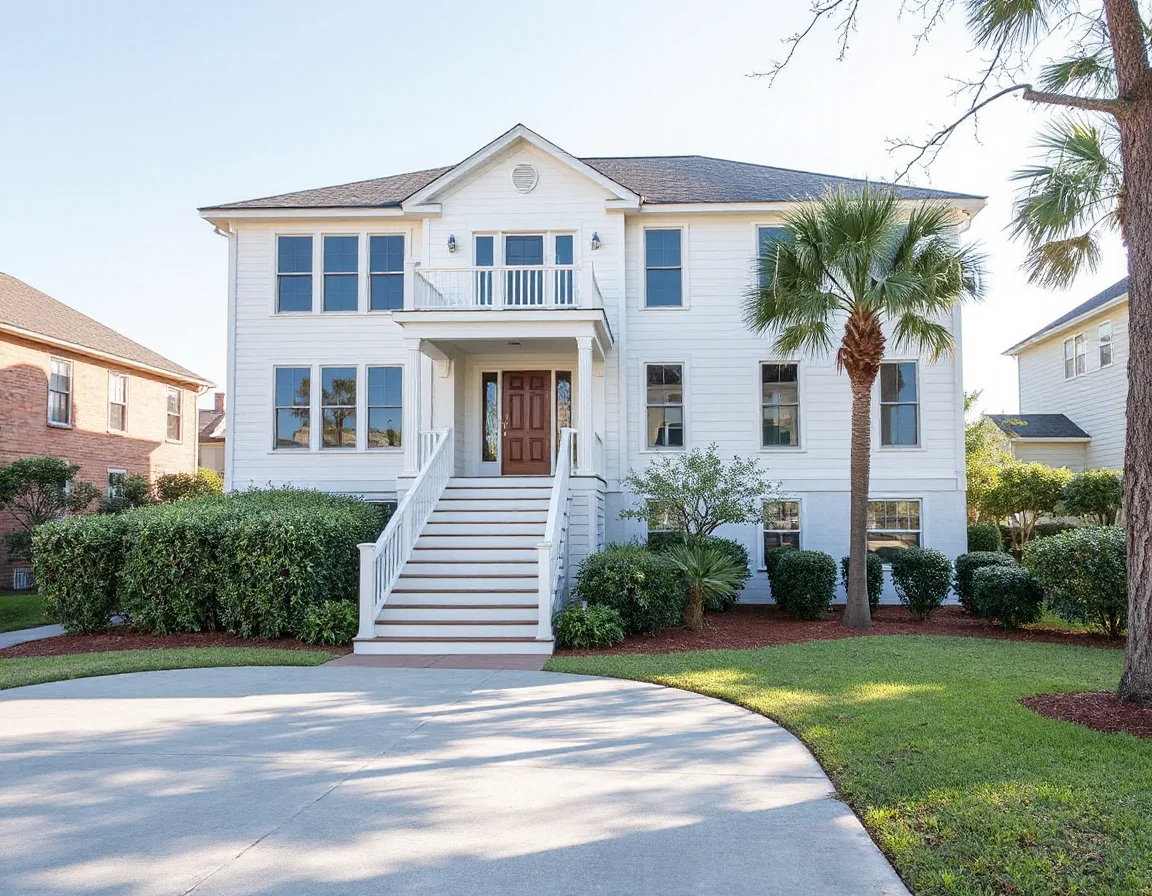
Another important point is budgeting. A buyer who focuses only on principal, interest, taxes, and standard homeowners insurance may miss a meaningful part of the monthly ownership cost. Flood insurance premiums can vary significantly depending on the property’s risk profile, coverage choices, and construction details. Getting an insurance quote early helps buyers compare homes more accurately and avoid scrambling late in the process.
Financing can also be affected. Lenders may require proof of flood insurance before closing, and that can introduce extra steps. If the property is a historic home, a waterfront residence, or a luxury condo in a coastal setting, buyers should ask early how flood requirements interact with the specific property type. A clear picture upfront supports better decisions and fewer closing delays.
What sellers can do to position a home well
Sellers benefit from treating flood-zone questions as a standard part of pre-listing preparation rather than a last-minute hurdle. If available, gather the elevation certificate, current insurance declarations page, information on past claims, and receipts for improvements that may help show how the home has been maintained or upgraded. Buyers often respond well to organized documentation because it replaces uncertainty with facts.
Pricing strategy matters too. A property in a higher-risk flood zone does not automatically lose appeal, especially in a market where architecture, water access, historic character, and location continue to drive demand. What matters is realistic positioning and transparent communication. A seller who can explain the annual flood insurance cost, identify resilience improvements, and provide accurate property records is often in a stronger position than one who leaves buyers to investigate everything on their own.
Presentation should focus on objective strengths: construction quality, views, outdoor living areas, proximity to parks or waterways, updated systems, and any improvements that support long-term upkeep. If the home has features such as raised living space, durable exterior materials, or garage and storage areas designed with the coastal environment in mind, those details can help buyers understand the value proposition more completely.
Flood maps, insurance, and local nuance
Charleston real estate comes with local nuance, and flood risk is a good example. Two homes on nearby streets may have different flood zone designations or very different insurance costs based on elevation, foundation type, and how the structure is built. That is why broad assumptions are risky. A property near the water is not automatically the most expensive to insure, and a property farther inland is not automatically exempt from concern.

Insurance has also become more dynamic in recent years. Premiums may be influenced by FEMA methodology updates, private-market options, replacement cost, and property-specific characteristics. Because of that, buyers and sellers should resist relying on outdated estimates or generalizations from a past transaction. Fresh quotes and current documentation are far more useful than assumptions.
It also helps to remember that flood zones are only one layer of due diligence. Drainage patterns, lot grading, stormwater infrastructure, and the home’s maintenance history all matter. In a region known for heavy rain events, tides, and coastal weather, a practical property review should look at the full picture rather than one label alone.
A smart approach for a smoother transaction
The most successful Charleston transactions usually involve early questions, clear records, and realistic expectations. Buyers should ask for flood-related information before they are deep into negotiations. Sellers should prepare answers before the listing goes live. When everyone is working from the same facts, discussions about insurance, financing, and long-term ownership become much more manageable.
That kind of preparation is especially valuable across Charleston’s diverse housing inventory, from historic homes and luxury condos to waterfront properties and residences in country club communities. Every property has its own details, and flood-zone context should be interpreted within the larger picture of condition, setting, and ownership costs.
For anyone entering the Charleston market, flood zones are not something to fear, but they are something to understand. With good guidance, accurate documentation, and attention to the numbers, buyers and sellers can move forward with more confidence and fewer surprises. In a coastal market where place matters so much, informed decisions are part of what makes a move feel like the right one.